
RedKalion
Robert Rauschenberg - AUTOMOBILE TIRE PRINT 1953 75x100 cm / 30x40inches Fine Art Poster
Robert Rauschenberg - AUTOMOBILE TIRE PRINT 1953 75x100 cm / 30x40inches Fine Art Poster
Couldn't load pickup availability
Robert Rauschenberg - AUTOMOBILE TIRE PRINT 1953: A Monumental Fine Art Poster
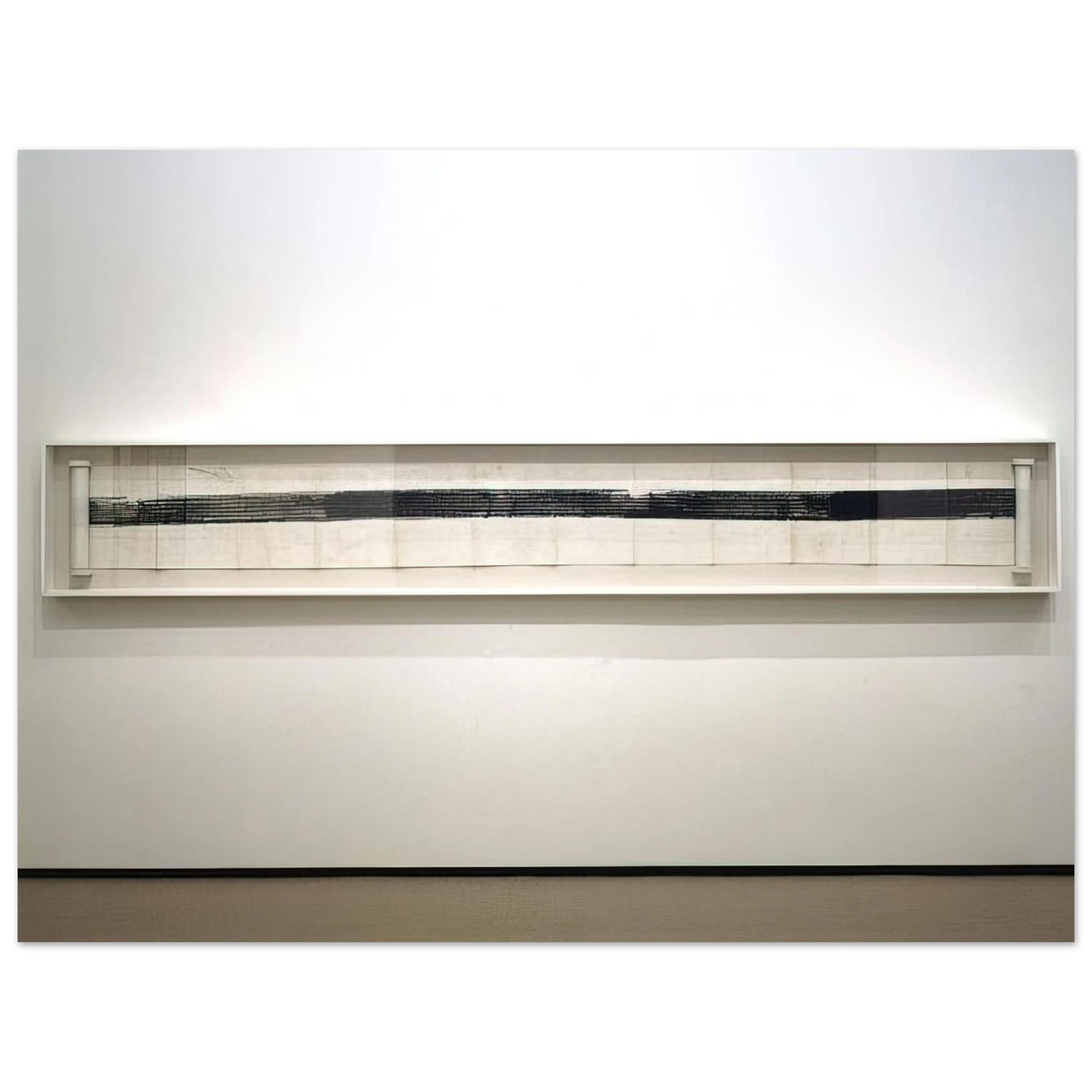
Own a piece of art history with this museum-quality reproduction of Robert Rauschenberg's groundbreaking AUTOMOBILE TIRE PRINT 1953. This iconic work, measuring 75x100 cm (30x40 inches), captures the raw energy and experimental spirit of the 1950s avant-garde. Rauschenberg, a pioneer of the Neo-Dada and Pop Art movements, created this piece by inking an automobile tire and driving it over a long sheet of paper, blurring the lines between art and everyday life. The result is a dynamic, textured impression that evokes urban grit, industrial progress, and the artist's fearless innovation.
RedKalion presents this archival-grade fine art print on our exclusive Master's Edition archival paper, ensuring a premium reproduction that honors Rauschenberg's original vision. The matte, uncoated finish and natural white (off-white) hue provide a luxurious texture, while the acid-free composition (pH above 7) guarantees longevity without yellowing. Crafted from FSC-certified paper at 250 gsm (110 lb) with a thickness of 0.29 mm (11.4 mils), this poster is a sustainable, durable masterpiece. Printed and shipped on demand with no minimum orders, it arrives ready to elevate your space with a touch of mid-century modern boldness.
- Dimensions: 75x100 cm / 30x40 inches
- Paper: Master's Edition archival paper, museum-quality
- Finish: Matte, uncoated, natural white (off-white)
- Longevity: Acid-free (pH above 7) to prevent yellowing
- Weight & Thickness: 250 gsm (110 lb), 0.29 mm (11.4 mils)
- Sustainability: FSC-certified paper
- Fulfillment: Printed and shipped on demand, no minimum orders
Elevate your home or office with this archival masterpiece that endures as a testament to artistic rebellion. RedKalion's commitment to precision and quality ensures you receive a fine art poster worthy of display in any discerning collection.
Discover Unlimited Art Possibilities
At RedKalion, you can find virtually any artwork from any artist, available in a wide range of sizes to perfectly match your space.
If you didn’t find what you’re looking for, contact us at support@redkalion.com . We will source any artwork and produce it in any size and format you need, including art prints, posters, canvas, framed pieces, framed canvas, and more.
For dedicated art enthusiasts, we also offer handcrafted replicas of any artwork, carefully painted by highly skilled artists using traditional techniques.
For custom requests, contact us at support@redkalion.com .
What is the historical significance of Robert Rauschenberg's AUTOMOBILE TIRE PRINT 1953?
This artwork is a key Neo-Dada piece from 1953, where Rauschenberg used an inked tire to create a print, challenging traditional art methods and blending everyday objects with fine art, reflecting post-war American innovation.
How does the paper quality ensure this is a museum-quality reproduction?
Our Master's Edition archival paper is acid-free (pH above 7), FSC-certified, and 250 gsm thick, providing a durable, matte finish that replicates gallery standards for a premium fine art poster.
What are the exact dimensions and finish of this fine art print?
This print measures 75x100 cm (30x40 inches) with a matte, uncoated, natural white finish, offering a luxurious texture ideal for displaying this archival masterpiece.
How is the print shipped and are there minimum order requirements?
We print and ship on demand with no minimum orders, ensuring each museum-quality reproduction is freshly crafted and delivered directly to you.
Will this archival print yellow or fade over time?
No, the acid-free paper (pH above 7) prevents yellowing, making this a long-lasting fine art poster that maintains its quality for years.
What technique did Rauschenberg use to create AUTOMOBILE TIRE PRINT 1953?
Rauschenberg inked an automobile tire and drove it over paper, creating a direct impression that merged industrial processes with artistic expression in this iconic work.
Why is the matte, uncoated finish chosen for this reproduction?
The matte, uncoated finish enhances the natural texture and off-white hue, providing an authentic, gallery-like appearance for this museum-quality print.