

Discover Unlimited Art Possibilities
At RedKalion, you can find virtually any artwork from any artist, available in a wide range of sizes to perfectly match your space.
If you didn’t find what you’re looking for, contact us at support@redkalion.com . We will source any artwork and produce it in any size and format you need, including art prints, posters, canvas, framed pieces, framed canvas, and more.
For dedicated art enthusiasts, we also offer handcrafted replicas of any artwork, carefully painted by highly skilled artists using traditional techniques.
For custom requests, contact us at support@redkalion.com .
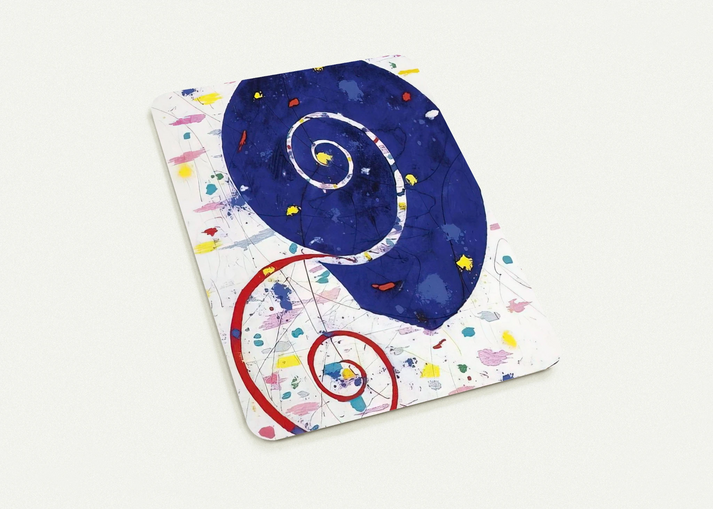
What printing technology is used for these Sam Francis post cards?
We use 12-color fine art printing technology, which provides superior color depth and accuracy compared to standard inkjet prints, ensuring the vibrancy of Sam Francis's work is perfectly preserved.
What is the weight and finish of the paper?
The cards are printed on 200 gsm (80 lb) paper with a thickness of 0.26 mm. They feature a smooth matte finish for a sophisticated, glare-free appearance.
Are these post cards environmentally friendly?
Yes, all our post cards are printed on FSC-certified paper, ensuring that the materials are sourced from responsibly managed forests that provide environmental and social benefits.
Is there a minimum order requirement for these cards?
No, these cards are printed on demand with no minimum order requirements, allowing you to acquire museum-quality reproductions as needed.
Will the colors fade over time?
RedKalion uses archival-grade inks and premium materials designed for longevity, ensuring that these museum-quality reproductions maintain their stunning vibrancy for years to come.
Who was Sam Francis and why is his work significant?
Sam Francis was a leading American painter associated with Abstract Expressionism. His work is celebrated for its use of negative space, vibrant colors, and influences from Japanese aesthetics.
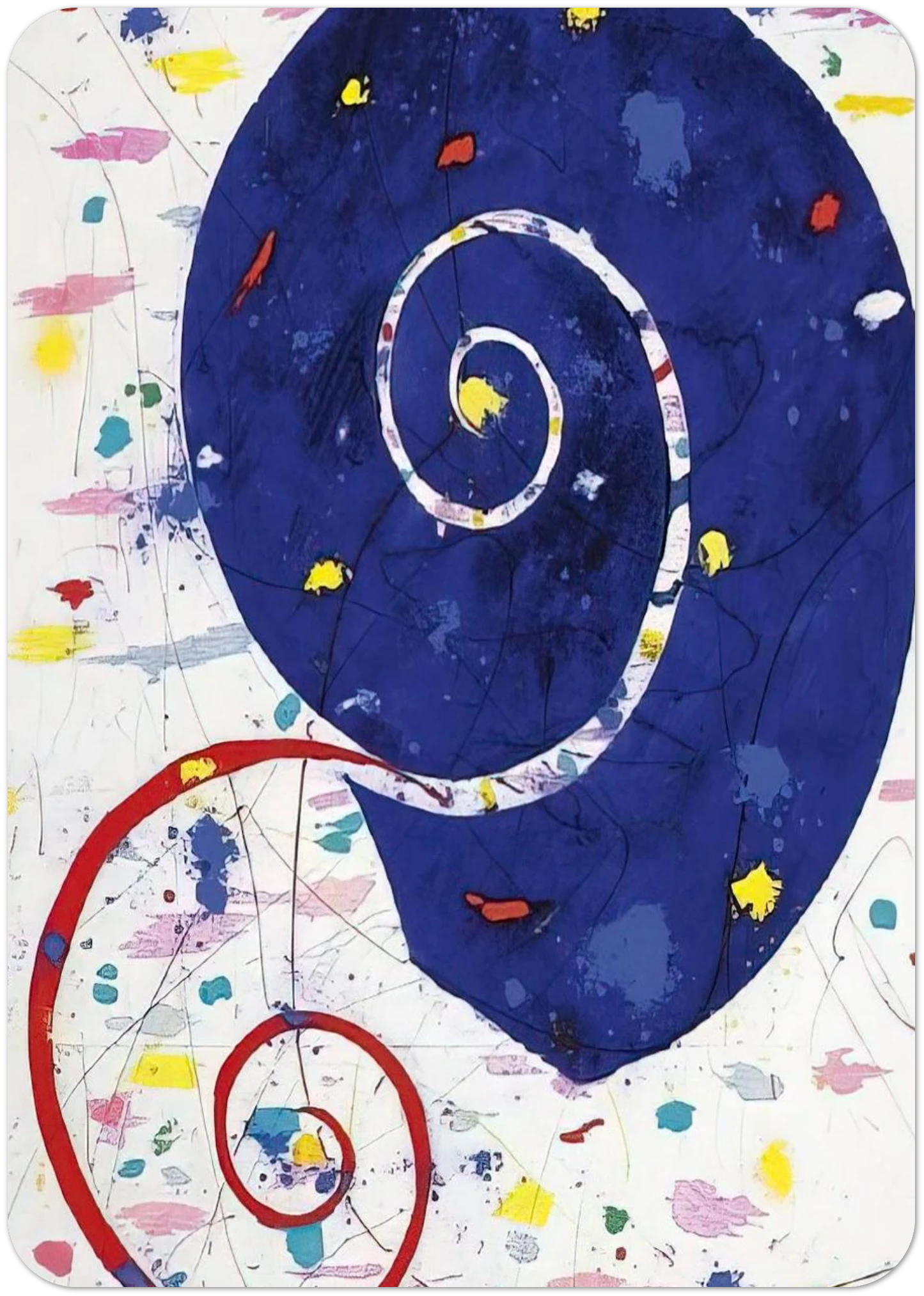
What does the 'Ammonite' title signify in this artwork?
'Ammonite' refers to the spiral shell of an extinct mollusk. Francis often used these organic, circular forms to explore the relationship between energy, movement, and the canvas's void.