
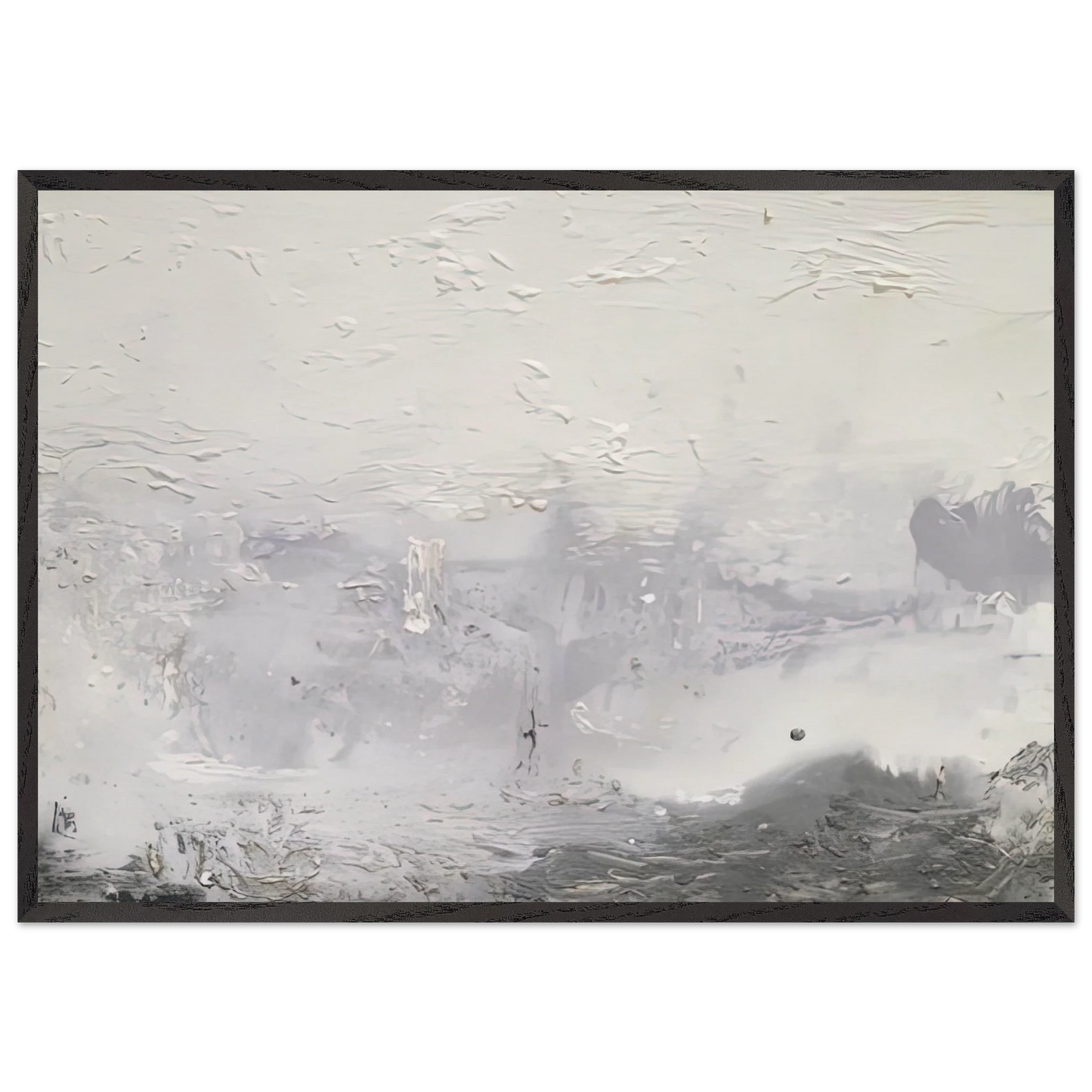
What materials are used for this Frankenthaler print?
We use 250 gsm (110 lb) archival museum-quality paper with a thickness of 0.29 mm. The paper is matte, uncoated, and natural white, ensuring the vibrant colors of Barometer (1992) are captured with absolute fidelity and longevity.
How is the artwork framed and protected?
The print is housed in a 20mm thick frame made from responsibly sourced oak and ash wood. We use shatterproof plexiglass to protect the surface, ensuring the artwork remains safe from damage while maintaining museum-level clarity.
Is the art print ready to hang upon arrival?
Yes, each framed art print includes a high-quality hanging kit. Your Barometer reproduction is delivered ready to be mounted directly onto your wall, providing a seamless transition from the gallery to your home.
Is this product environmentally sustainable?
Sustainability is central to RedKalion. We use FSC-certified paper and frames made from responsibly sourced wood, ensuring that every fine art print meets high environmental and social standards.
What is the archival life of this museum-quality reproduction?
Our archival paper and acid-free materials are designed to last for decades without yellowing or fading. This ensures your investment in Helen Frankenthaler’s work remains a vibrant centerpiece for generations to come.
What is the significance of the title 'Barometer' in this 1992 work?
In Barometer (1992), Frankenthaler uses color to suggest atmospheric conditions and emotional weight. The title reflects her interest in the 'pressure' of visual space and the balance of organic forms within a structured landscape.
How does this piece represent Frankenthaler's late-career technique?
By 1992, Frankenthaler had moved beyond her initial 'soak-stain' method to more layered, textural applications. Barometer showcases her ability to blend printmaking precision with the spontaneous, painterly gestures characteristic of late 20th-century lyrical abstraction.