
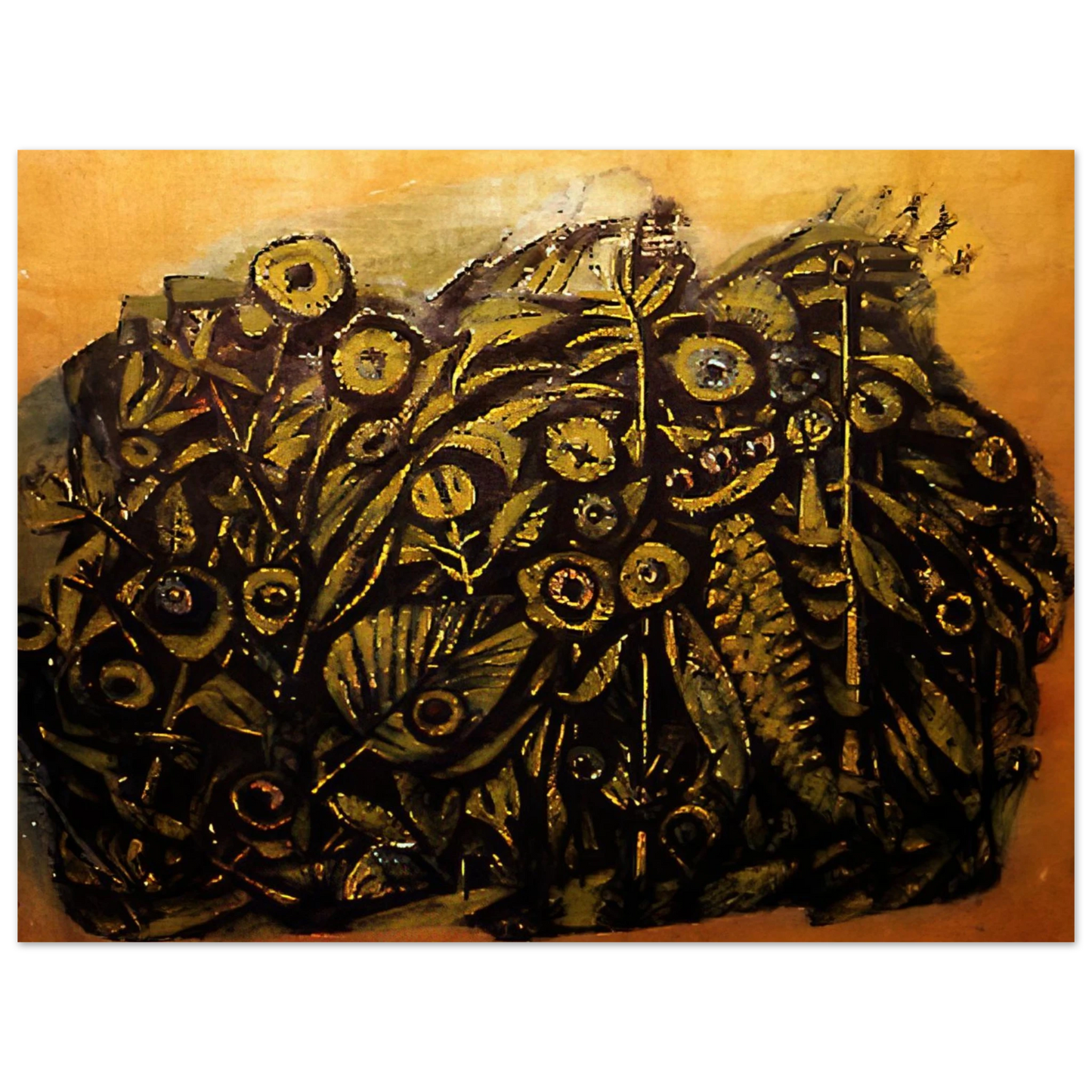
What makes the Master's Edition paper special for this Charles Lapicque print?
Our Master's Edition paper is a 250 gsm (110 lb) archival-grade material. It features a luxurious matte, uncoated, natural white finish that ensures museum-quality color reproduction and a tactile, premium feel without the glare of standard posters.
How long will this fine art print last without fading?
This print is produced on acid-free paper with a pH above 7, meeting archival standards. This process prevents the paper from yellowing or becoming brittle, ensuring your investment remains vibrant and pristine for decades to come.
Is the paper used for this reproduction environmentally friendly?
Yes, RedKalion prioritizes sustainability. We use FSC-certified paper for our Charles Lapicque prints, ensuring the materials are sourced from responsibly managed forests that provide environmental, social, and economic benefits.
How is the print handled and shipped?
Each order is printed on demand to ensure the highest quality control. There are no minimum order requirements, and we ship in robust, protective packaging to ensure your artwork arrives in perfect condition, ready for framing.
Does the print include a border or a frame?
This fine art poster is delivered as a high-quality print on 75x100 cm paper. It does not include a frame, allowing you the flexibility to choose a custom framing solution that best matches your interior design aesthetic.
What is the significance of the year 1945 in Lapicque's work?
1945 was a transformative year for Charles Lapicque. Following the liberation of Paris, his work moved toward a synthesis of post-cubist structure and vibrant, free-form abstraction, marking a high point in 20th-century French modernism.
How does Charles Lapicque’s scientific background influence this artwork?
Lapicque was an engineer and physicist, which heavily informed his 'Untitled' compositions. He applied scientific theories of optics to his painting, using rhythmic lines and specific color placements to challenge traditional perceptions of three-dimensional space.