Skip to product information
1 of 1

RedKalion

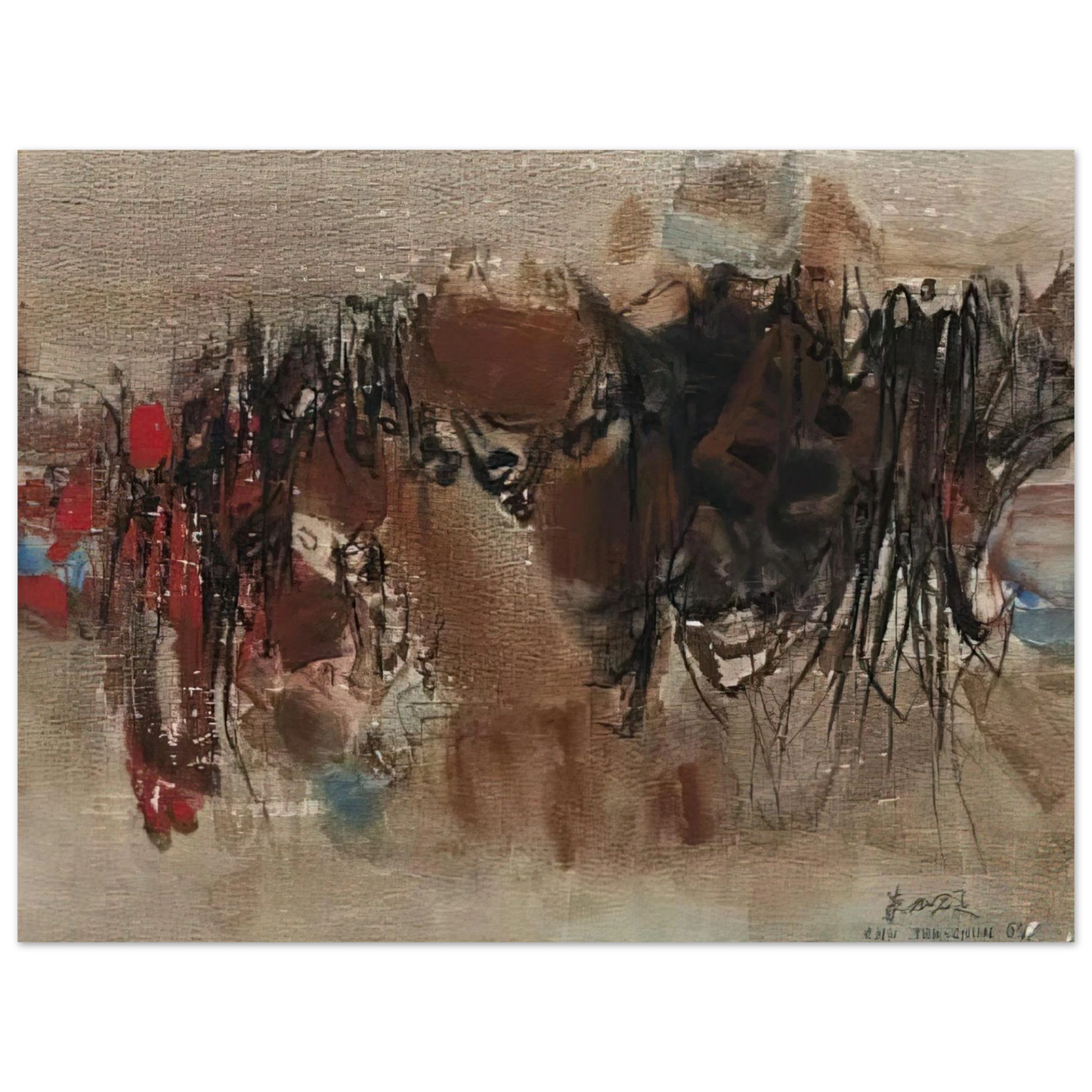
Chu teh Chun - UNTITLED 1964 1 75x100 cm / 30x40inches Fine Art Poster

Chu teh Chun - UNTITLED 1964 1 75x100 cm / 30x40inches Fine Art Poster

Regular price $207.99 USD
Regular price $311.00 USD Sale price $207.99 USD
Sale Sold out
Quantity

Chu Teh-Chun – Untitled (1964): An Archival Symphony of Light and Motion

Experience the profound synthesis of Eastern calligraphy and Western abstraction with this museum-quality reproduction of Chu Teh-Chun’s Untitled (1964). As a pioneer of Lyrical Abstraction, Chu Teh-Chun reached a creative zenith in the mid-1960s, a period where his strokes became more gestural and his command of light more atmospheric. This 75x100 cm (30x40 inches) fine art print allows collectors to appreciate the artist's ability to translate the internal energy of traditional Chinese shan shui into a modern, universal language.

Museum-Quality Craftsmanship for the Discerning Collector

At RedKalion, we believe a masterpiece deserves a medium that honors its legacy. This archival-grade reproduction is printed on our exclusive Master's Edition paper. With a weight of 250 gsm (110 lb) and a thickness of 0.29 mm (11.4 mils), the print offers a substantial, premium feel that mirrors the gravity of the original work. The luxurious matte, uncoated, natural white finish provides a sophisticated texture, ensuring that the depth of Chu Teh-Chun’s rich 1964 palette is displayed without the interference of glare.

Technical Precision and Enduring Beauty

This museum-quality print is engineered for longevity. Utilizing acid-free paper with a pH above 7, the archival nature of the material prevents yellowing and degradation over time, allowing the vibrant movement of the 1964 composition to remain pristine for generations. Furthermore, our commitment to sustainability ensures that your fine art poster is crafted from FSC-certified paper, printed and shipped on demand to minimize environmental impact while maintaining the highest standards of curatorial excellence.

The Legacy of Chu Teh-Chun

By 1964, Chu Teh-Chun had fully integrated the rhythmic vitality of Chinese ink painting with the bold textures of oil. This particular work represents a pivotal moment where form dissolves into light. Elevate your space with an archival masterpiece that endures—a testament to RedKalion’s dedication to providing the world’s most significant art in its most refined physical form.

View full details
What defines the quality of this Chu Teh-Chun reproduction?

RedKalion utilizes Master's Edition archival paper (250 gsm/110 lb), providing a premium, museum-quality texture and weight that far surpasses standard posters for this Chu Teh-Chun fine art print.

Will the colors of 'Untitled 1964' fade over time?

No. This print uses acid-free paper with a pH above 7, ensuring it is archival-grade. This prevents yellowing and preserves the integrity of the artwork's colors for decades.

Is the paper used for this print sustainable?

Yes, we use FSC-certified paper, ensuring that your Chu Teh-Chun reproduction is sourced from responsibly managed forests that provide environmental, social, and economic benefits.

How is my order fulfilled and shipped?

Each piece is printed and shipped on demand with no minimum orders, ensuring a fresh, high-quality print delivered directly to you in secure, protective packaging.

Does this fine art poster come with a frame?

This product is a premium, unframed 75x100 cm fine art poster. Its standard sizing makes it easy to find professional framing options that match your interior decor.

What is the significance of Chu Teh-Chun’s 1964 period?

The mid-1960s represent Chu Teh-Chun’s mastery of Lyrical Abstraction, where he successfully merged the calligraphic spirit of Chinese art with the luminosity of Western oil techniques.

What artistic style does this 'Untitled' piece represent?

This work is a quintessential example of Lyrical Abstraction, characterized by emotional depth, gestural brushwork, and a rhythmic, atmospheric composition that suggests landscape through non-representational forms.