RedKalion
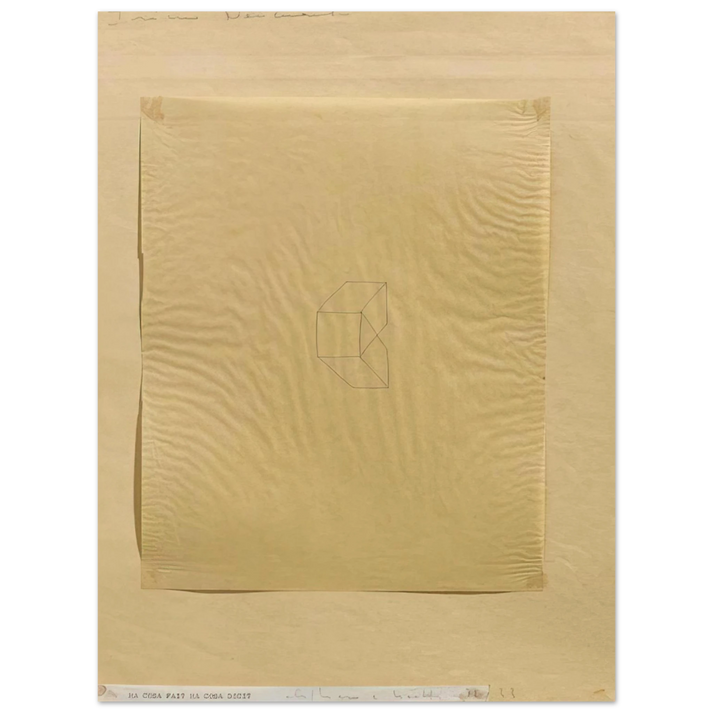
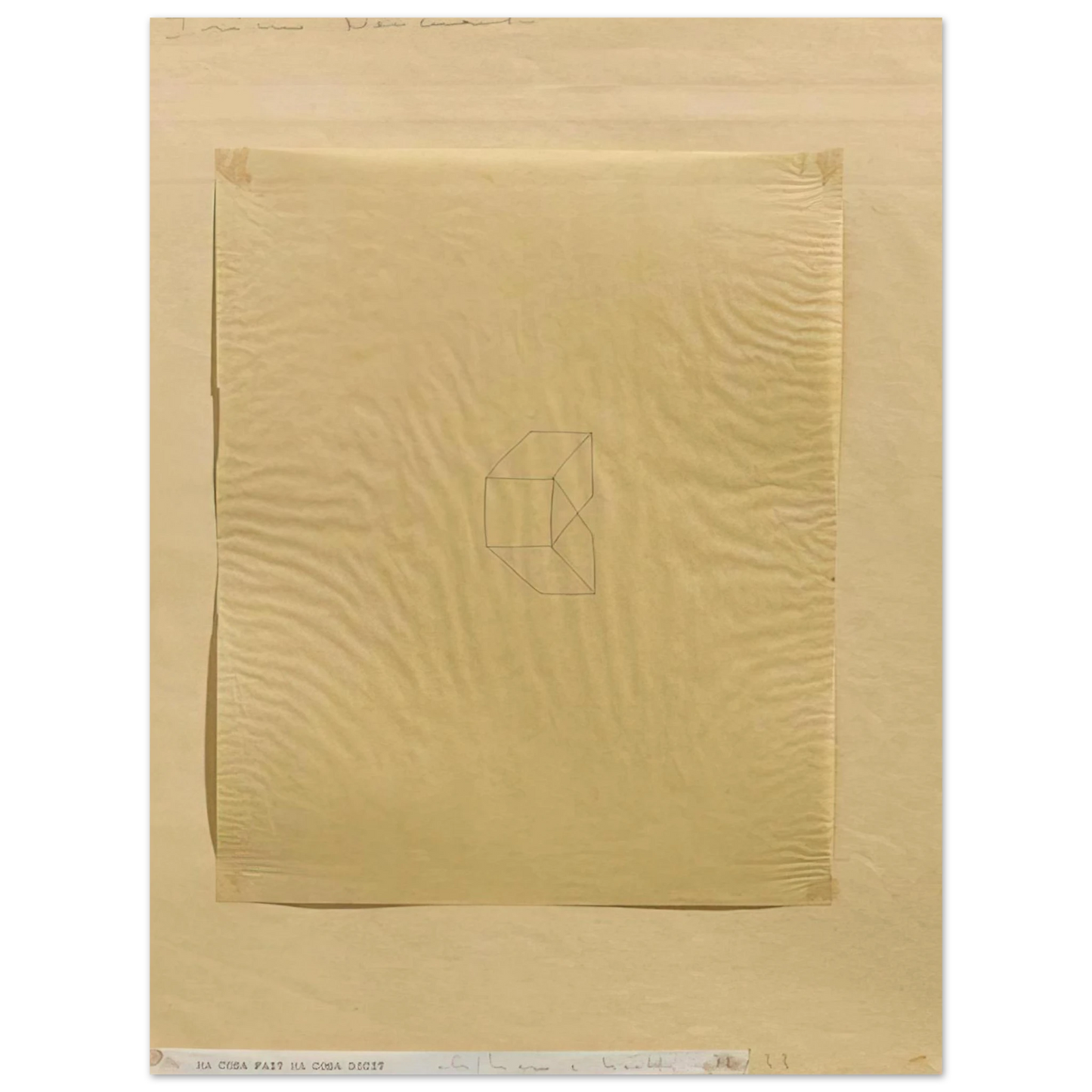
Alighiero Boetti - MA COSA FAI MA COSA DICI 1972 75x100 cm / 30x40inches Fine Art Poster
Alighiero Boetti - MA COSA FAI MA COSA DICI 1972 75x100 cm / 30x40inches Fine Art Poster
Не може да се зареди възможността за взимане
Elevate Your Collection with Alighiero Boetti’s Conceptual Masterpiece
Experience the intellectual rigor and visual playfulness of Alighiero Boetti with this exquisite fine art print of MA COSA FAI MA COSA DICI (1972). As a seminal figure of the Italian Arte Povera movement, Boetti moved beyond traditional mediums to explore the complexities of language, time, and systems of classification. This work, which translates to 'But what are you doing, but what are you saying?', captures Boetti's signature use of the grid—a tool he employed to find the delicate balance between order and disorder (ordine e disordine).
Museum-Quality Craftsmanship by RedKalion
At RedKalion, we curate museum-quality reproductions that honor the artist's original intent. This reproduction is meticulously rendered on our Master's Edition archival paper. With a weight of 250 gsm (110 lb) and a thickness of 0.29 mm, this paper provides a substantial, premium feel that distinguishes it from standard posters. The natural white (off-white) base ensures a sophisticated backdrop for Boetti’s typography, while the matte, uncoated finish prevents glare, allowing the conceptual depth of the piece to shine under any lighting condition.
Archival Integrity and Sustainability
Designed to endure for generations, our prints are acid-free with a pH level above 7, preventing the yellowing or degradation typically associated with lesser paper stocks. We remain committed to ecological responsibility; therefore, every Alighiero Boetti print is produced on FSC-certified paper and fulfilled on demand, minimizing waste without compromising on the luxury standards expected by serious collectors.
- Artist: Alighiero Boetti
- Title: MA COSA FAI MA COSA DICI (1972)
- Material: 250 gsm Archival Matte Paper
- Longevity: Acid-free, museum-grade preservation
- Sustainability: FSC-certified materials
Discover Unlimited Art Possibilities
At RedKalion, you can find virtually any artwork from any artist, available in a wide range of sizes to perfectly match your space.
If you didn’t find what you’re looking for, contact us at support@redkalion.com . We will source any artwork and produce it in any size and format you need, including art prints, posters, canvas, framed pieces, framed canvas, and more.
For dedicated art enthusiasts, we also offer handcrafted replicas of any artwork, carefully painted by highly skilled artists using traditional techniques.
For custom requests, contact us at support@redkalion.com .
What are the paper specifications for this Alighiero Boetti print?
This print uses Master's Edition archival paper, weighing 250 gsm (110 lb). It features a luxurious matte, uncoated finish and a natural white tone for museum-quality results.
How does RedKalion ensure the longevity of the artwork?
We use acid-free paper with a pH above 7. This archival standard prevents yellowing over time, ensuring your Boetti reproduction remains vibrant for decades.
Is the shipping process sustainable and efficient?
Yes, we print on demand with no minimum orders to reduce waste. Each piece is carefully packaged and shipped globally to ensure safe arrival.
Does this fine art poster come with a frame?
This product is a premium fine art print. Its standard 75x100 cm (30x40 inch) dimensions make it ideal for custom framing to suit your interior design.
Is the paper environmentally friendly?
Absolutely. We use FSC-certified paper, which ensures that the materials are sourced from responsibly managed forests that provide environmental, social, and economic benefits.
What is the meaning behind 'MA COSA FAI MA COSA DICI'?
Translating to 'But what are you doing, but what are you saying?', the phrase reflects Boetti's fascination with daily communication and the mathematical structure of language.
Why did Alighiero Boetti use a grid system in this 1972 work?
Boetti utilized the grid to explore 'order and disorder.' By placing letters in a structured format, he transformed common phrases into a meditative, visual system of classification.