
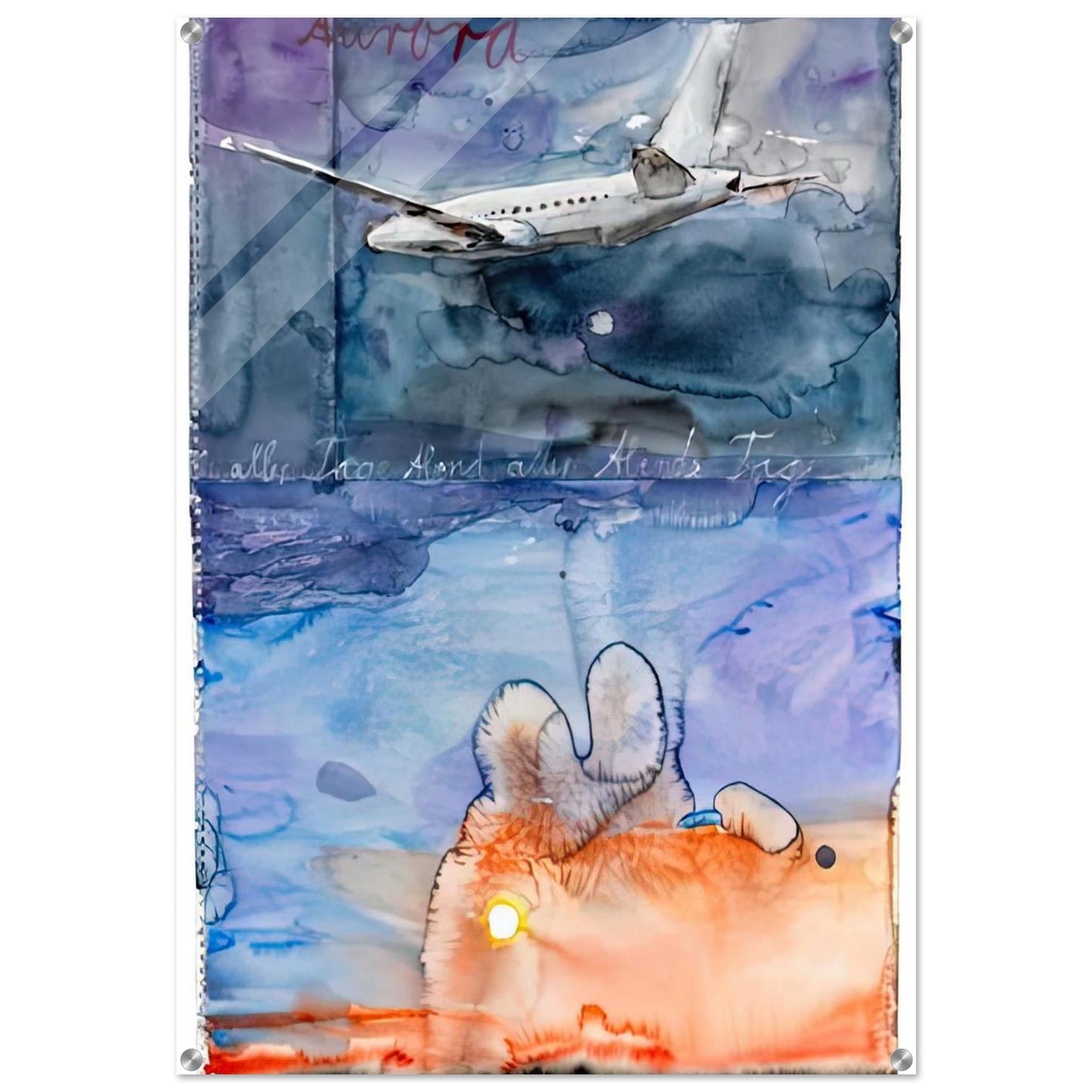
What materials are used for the AURORA 2013 acrylic print?
The print is crafted from 4mm (0.15") thick, high-quality acrylic. This material provides a sleek, modern finish and exceptional durability, ensuring the Anselm Kiefer reproduction remains vibrant and protected for decades within your collection.
How is the artwork mounted to the wall?
Each acrylic print includes a specialized hanging kit. It features pre-drilled holes at each corner (14mm from the edge) and comes with screws and 15mm screw heads, allowing for a secure and sophisticated floating installation.
Does the print require a frame?
No, this acrylic print is designed for a modern, frameless presentation. The straight-cut corners and polished edges provide a clean, gallery-style look that allows the Kiefer masterpiece to stand out as a contemporary focal point.
How do you ensure the color accuracy of Kiefer’s complex palette?
We use archival-grade inks and a specific printing process where transparent backgrounds default to white. This ensures the intricate greys, leads, and earth tones of Kiefer’s AURORA 2013 are rendered with maximum contrast and precision.
How is the print protected during shipping?
RedKalion utilizes professional-grade, shock-resistant packaging tailored for large-format art. Your 70x100 cm acrylic print is securely fastened and cushioned to ensure it arrives in pristine, museum-ready condition regardless of the destination.
What is the significance of the title 'Aurora' in Kiefer’s 2013 work?
In Kiefer’s lexicon, 'Aurora' refers to the Roman goddess of dawn. It symbolizes a transition between darkness and light, reflecting the artist’s interest in alchemy and the potential for spiritual or historical renewal through his textured, industrial landscapes.
How does Kiefer’s 2013 period differ from his earlier works?
While his earlier works focused heavily on German history, his 2013 output, including Aurora, often incorporates broader cosmological and mythological themes, utilizing a more expansive, atmospheric aesthetic while maintaining his signature use of symbolic materiality.