
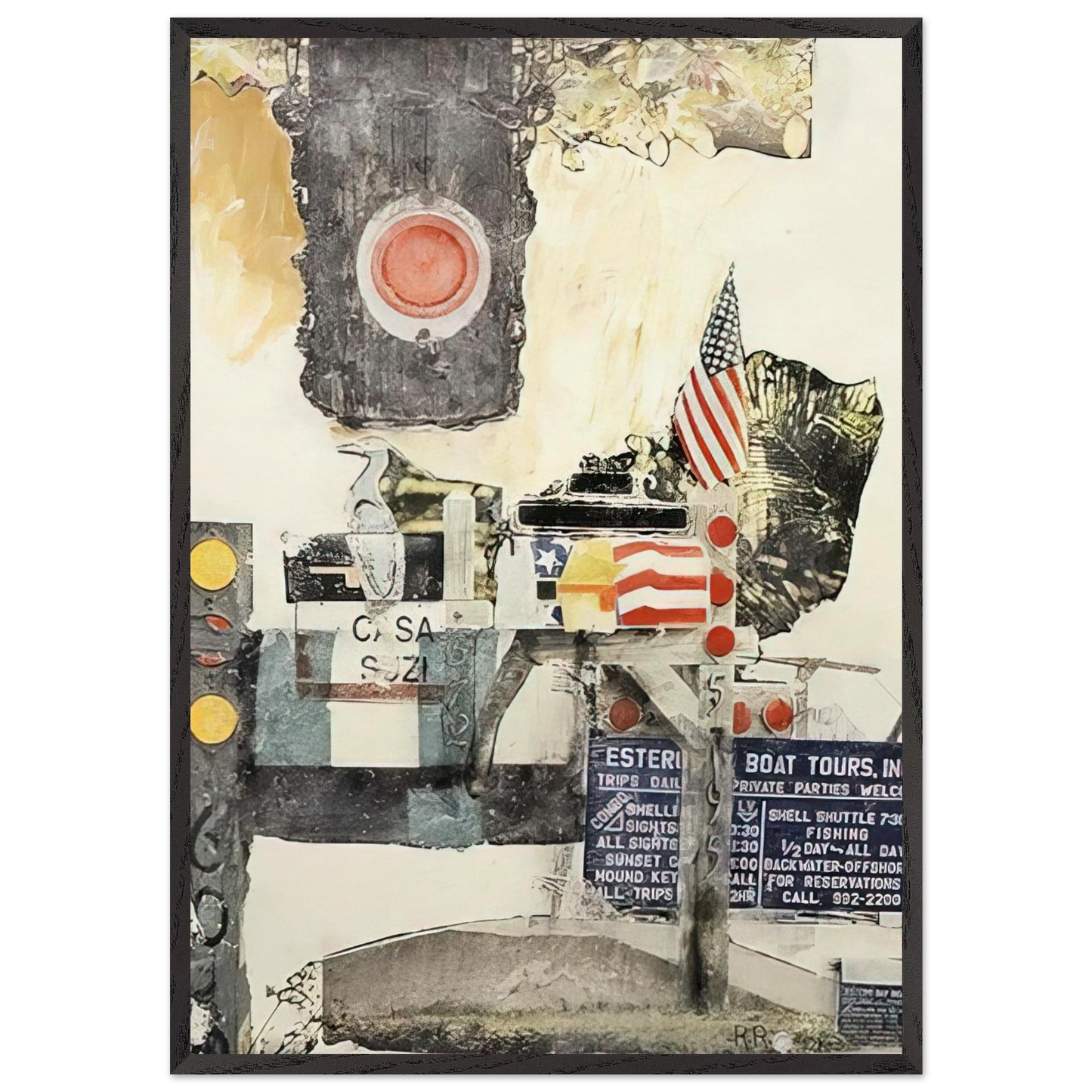
What makes the RedKalion CAPTIVA CODA 2002 print museum-quality?
We use 250 gsm archival-grade, natural white paper with a matte finish. Combined with our 20mm thick premium oak and ash frames, these materials meet the rigorous standards expected by galleries and fine art collectors worldwide.
What are the specific dimensions of the frame?
The black wooden frame features a 20mm (0.79") width and thickness. This profile is wider than the standard 14mm frames, offering a more authoritative and premium presence on your wall.
Is the Captiva Coda 2002 framed art print ready to hang?
Yes. Every RedKalion framed print includes a professional hanging kit. Your artwork arrives fully assembled and ready to hang directly upon delivery.
How is the artwork protected from environmental damage?
The print is shielded by shatterproof plexiglass, which provides a safe, clear barrier against dust and physical damage. The archival, acid-free paper prevents yellowing or degradation over time.
Is the framing material environmentally sustainable?
Absolutely. We use FSC-certified oak and ash wood, ensuring that the frames for our Robert Rauschenberg reproductions are sourced from responsibly managed forests.
What inspired Robert Rauschenberg's Captiva Coda series?
Inspired by his life on Captiva Island, Rauschenberg used his 'Scenarios' technique—transferring digital photographs onto paper using water—to explore themes of memory, nature, and urban intersection in a poetic, non-linear narrative.
Where does this piece fit in Rauschenberg's career?
Captiva Coda 2002 belongs to his late period. After decades of 'Combines', he shifted toward digital processes that allowed for a painterly quality without heavy oils, reflecting a more reflective and serene stage of his artistry.