RedKalion
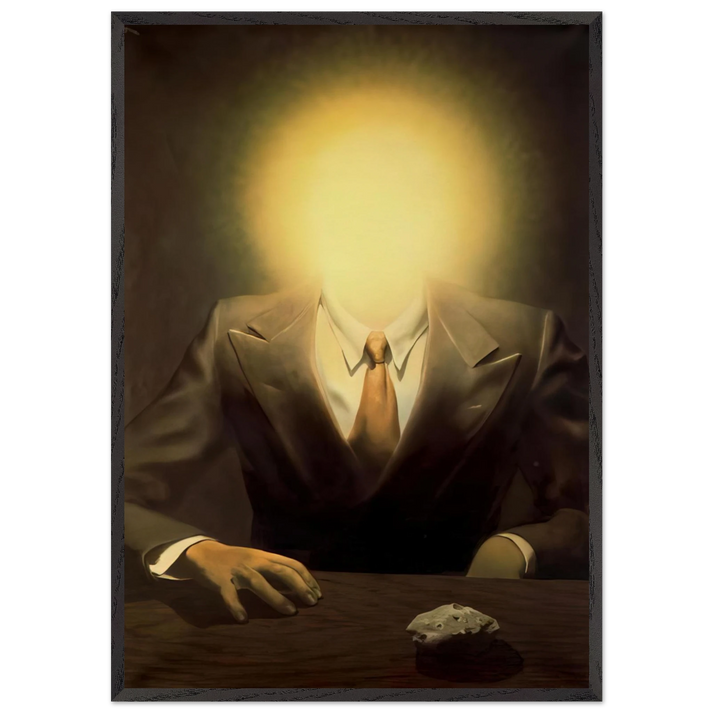
THE PLEASURE PRINCIPLE PORTRAIT OF EDWARD JAMES 1937 - Rene Magritte 70x100 cm / 28x40 inches Framed Art Print – Black Wooden Frame
THE PLEASURE PRINCIPLE PORTRAIT OF EDWARD JAMES 1937 - Rene Magritte 70x100 cm / 28x40 inches Framed Art Print – Black Wooden Frame
Не може да се зареди възможността за взимане
The Pleasure Principle: Portrait of Edward James (1937) by René Magritte
Step into the surreal world of René Magritte with The Pleasure Principle: Portrait of Edward James (1937), a museum-quality fine art print that captures the enigmatic essence of this iconic masterpiece. This framed art print, measuring 70x100 cm (28x40 inches), is meticulously crafted to bring the dreamlike precision of Magritte's vision into your home or office.
Magritte, a pioneer of Surrealism, created this portrait of his patron Edward James in 1937, blending reality with illusion through his signature use of ordinary objects in extraordinary contexts. The painting features James with a glowing light bulb in place of his head, symbolizing the illumination of thought and the pleasure of intellectual curiosity—a hallmark of Magritte's exploration of the subconscious. This reproduction honors the artist's precise brushwork and subtle color palette, making it a captivating centerpiece for any art lover.
At RedKalion, we specialize in archival-grade reproductions that meet the highest standards of quality and durability. This framed print features a black wooden frame made from responsibly sourced oak and ash wood, with a substantial 20mm (0.79") thickness that provides a bold, modern aesthetic. The print is protected by shatterproof plexiglass, ensuring longevity and safety, while the 250 gsm (110 lb) matte, uncoated paper offers a natural white finish that mimics the texture of original artworks. Made from sustainable, FSC-certified materials, this piece is ready-to-hang with an included kit, allowing you to elevate your space with a timeless masterpiece that endures.
- Artwork Details: The Pleasure Principle: Portrait of Edward James (1937) by René Magritte, 70x100 cm / 28x40 inches framed art print.
- Frame Specifications: Black wooden frame (oak and ash wood), 20mm thick and wide, with shatterproof plexiglass.
- Paper Quality: 250 gsm (110 lb), 0.29 mm thickness, matte uncoated archival museum paper, FSC-certified.
- Ready-to-Hang: Includes hanging kit for immediate display.
Discover the allure of Surrealism with this premium reproduction, curated by RedKalion for those who seek authenticity and elegance in fine art.

Discover Unlimited Art Possibilities
At RedKalion, you can find virtually any artwork from any artist, available in a wide range of sizes to perfectly match your space.
If you didn’t find what you’re looking for, contact us at support@redkalion.com . We will source any artwork and produce it in any size and format you need, including art prints, posters, canvas, framed pieces, framed canvas, and more.
For dedicated art enthusiasts, we also offer handcrafted replicas of any artwork, carefully painted by highly skilled artists using traditional techniques.
For custom requests, contact us at support@redkalion.com .
What are the dimensions of this framed Magritte art print?
This framed art print measures 70x100 cm (28x40 inches), including the black wooden frame, making it a statement piece for any room with its museum-quality reproduction of The Pleasure Principle portrait.
What type of paper is used for this fine art print?
We use 250 gsm (110 lb) matte, uncoated archival museum paper that is 0.29 mm thick and FSC-certified, ensuring a premium, sustainable surface for this René Magritte reproduction.
Is this framed print ready to hang on the wall?
Yes, this framed art print includes a hanging kit and is ready-to-hang directly on your wall, offering a hassle-free way to display this Surrealist masterpiece by Magritte.
How durable is the frame and protection for this artwork?
The frame is made from responsibly sourced oak and ash wood, 20mm thick, with shatterproof plexiglass to protect the print, ensuring long-lasting quality for your Magritte fine art piece.
Is this a limited edition or open edition print?
This is an open edition museum-quality reproduction, allowing art enthusiasts to own an archival-grade print of The Pleasure Principle portrait without the high cost of an original.
What is the historical significance of The Pleasure Principle portrait?
Painted in 1937, this portrait of Edward James by René Magritte uses a light bulb to symbolize intellectual illumination, reflecting Surrealist themes of reality and imagination in fine art.
Why did Magritte choose a light bulb in this portrait?
Magritte used a glowing light bulb to represent the mind's creativity and the pleasure of thought, blending everyday objects with surreal concepts in this iconic 1937 artwork.