


RedKalion
Untitled - 1962 - Robert Ryman Brushed Aluminum Print - 70x100 cm / 28x40 inches | Robert Ryman Aluminum Print | Robert Ryman Prints
Untitled - 1962 - Robert Ryman Brushed Aluminum Print - 70x100 cm / 28x40 inches | Robert Ryman Aluminum Print | Robert Ryman Prints
Не може да се зареди възможността за взимане
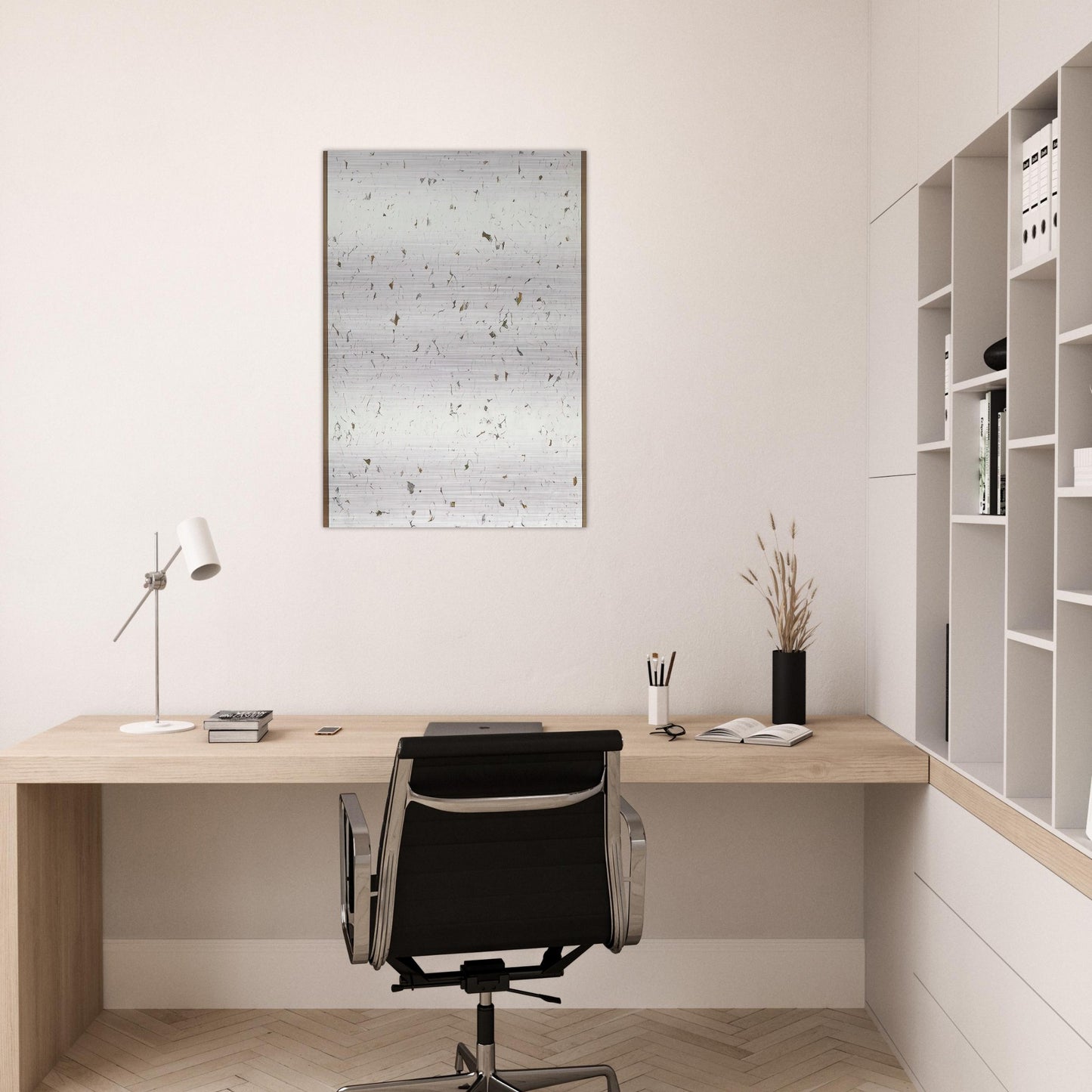
Robert Ryman 'Untitled - 1962' Brushed Aluminum Print
Experience the minimalist mastery of Robert Ryman with this museum-quality fine art print on brushed aluminum. Created in 1962, this iconic work exemplifies Ryman's pioneering exploration of monochrome and materiality, where the absence of color becomes a profound statement on perception and surface. As a leading figure in the American minimalist movement, Ryman challenged traditional painting by focusing on the physicality of the canvas and paint, making this piece a cornerstone of 20th-century art history.
RedKalion presents this archival-grade reproduction on premium 3mm (0.12") thick brushed silver Aluminum DIBOND®, featuring a horizontal grain that adds dynamic texture and a metallic finish. The direct print technology ensures vivid, lasting colors with a matte, glare-free surface, while unprinted white areas reveal a striking metallic silver effect—perfectly capturing the essence of Ryman's original. This Robert Ryman aluminum print measures 70x100 cm / 28x40 inches and includes a hanging kit for effortless display.
Elevate your space with a durable, rigid masterpiece that combines historical significance with modern craftsmanship. Ideal for collectors and design enthusiasts, this Robert Ryman print offers a timeless addition to any interior, blending art historical depth with contemporary elegance.


Discover Unlimited Art Possibilities
At RedKalion, you can find virtually any artwork from any artist, available in a wide range of sizes to perfectly match your space.
If you didn’t find what you’re looking for, contact us at support@redkalion.com . We will source any artwork and produce it in any size and format you need, including art prints, posters, canvas, framed pieces, framed canvas, and more.
For dedicated art enthusiasts, we also offer handcrafted replicas of any artwork, carefully painted by highly skilled artists using traditional techniques.
For custom requests, contact us at support@redkalion.com .
What are the specifications of this Robert Ryman aluminum print?
This fine art print is on 3mm brushed silver Aluminum DIBOND® with a matte finish, measuring 70x100 cm / 28x40 inches, featuring a direct print for vivid colors and a metallic silver effect in unprinted areas.
How does the brushed aluminum enhance this Robert Ryman artwork?
The horizontal grain and metallic finish of the brushed aluminum add dynamic texture, complementing Ryman's minimalist style and creating a striking visual impact with a glare-free matte surface.
Is a hanging kit included with this museum-quality reproduction?
Yes, a hanging kit is included; it varies by fulfillment country to ensure secure and easy installation for your archival-grade print.
What makes this print archival and durable?
Printed directly on 3mm Aluminum DIBOND®, it offers excellent longevity with resistance to fading and damage, making it a premium fine art print for lasting display.
How does this artwork reflect Robert Ryman's artistic significance?
Created in 1962, it showcases Ryman's focus on monochrome and materiality, key to his role in the minimalist movement, emphasizing surface and perception in art history.
Why is the matte finish ideal for this black-and-white design?
The matte, glare-free finish reduces reflections, enhancing the contrast and subtle details of Ryman's work, while the metallic silver effect adds depth to the minimalist composition.
Can I learn more about the historical context of this piece?
This 1962 work is part of Ryman's early explorations into white paintings, challenging traditional art forms and influencing minimalist and conceptual art movements globally.