

RedKalion
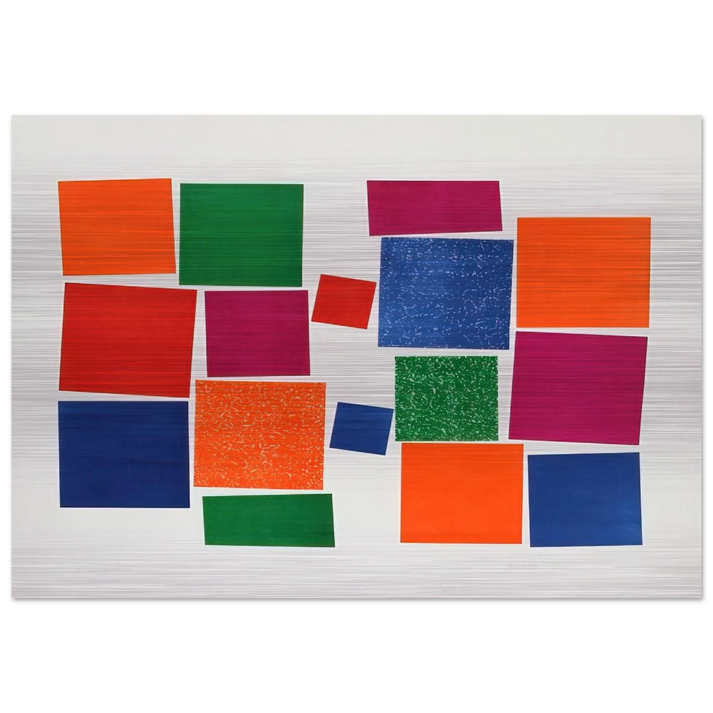
Untitled V - 1967 - Piero Dorazio Brushed Aluminum Print - 70x100 cm / 28x40 inches | Piero Dorazio Aluminum Print | Piero Dorazio Prints
Untitled V - 1967 - Piero Dorazio Brushed Aluminum Print - 70x100 cm / 28x40 inches | Piero Dorazio Aluminum Print | Piero Dorazio Prints
Не може да се зареди възможността за взимане
Piero Dorazio's 'Untitled V - 1967' on Premium Brushed Aluminum
Immerse yourself in the vibrant energy of Italian abstract art with this museum-quality reproduction of Piero Dorazio's Untitled V - 1967. A leading figure of the post-war European avant-garde, Dorazio pioneered a dynamic style that fused geometric abstraction with lyrical colorism, creating works that pulse with rhythmic vitality. This piece, from his prolific 1967 period, showcases his masterful use of intersecting lines and bold hues to evoke a sense of movement and optical depth, making it a captivating centerpiece for any modern interior.
RedKalion presents this iconic artwork as an archival-grade brushed silver Aluminum DIBOND® print, meticulously crafted to honor Dorazio's original vision. The 3mm thick panel ensures a durable, rigid display, while the direct print technology delivers vivid, fade-resistant colors with a sophisticated matte finish. Unprinted areas reveal a striking metallic silver effect, enhancing the artwork's contemporary appeal. Measuring 70x100 cm (28x40 inches), this piece arrives ready to hang with an included kit, offering a seamless blend of artistic heritage and premium craftsmanship.
- Material: Brushed silver Aluminum DIBOND® with a horizontal grain for dynamic light reflection.
- Thickness: 3mm (0.12") for a sturdy, gallery-ready presentation.
- Printing: Direct print on AluDibond for vibrant colors and a matte, glare-free surface.
- Finish: Matte with metallic silver effects in unprinted areas, ideal for abstract designs.
- Size: 70x100 cm / 28x40 inches.
- Included: Hanging kit (varies by country).
Elevate your space with an archival masterpiece that endures, backed by RedKalion's commitment to fine art reproductions of uncompromising quality. This Piero Dorazio aluminum print not only captures the essence of mid-century abstraction but also serves as a timeless investment in beauty and innovation.


Discover Unlimited Art Possibilities
At RedKalion, you can find virtually any artwork from any artist, available in a wide range of sizes to perfectly match your space.
If you didn’t find what you’re looking for, contact us at support@redkalion.com . We will source any artwork and produce it in any size and format you need, including art prints, posters, canvas, framed pieces, framed canvas, and more.
For dedicated art enthusiasts, we also offer handcrafted replicas of any artwork, carefully painted by highly skilled artists using traditional techniques.
For custom requests, contact us at support@redkalion.com .
What is the historical significance of Piero Dorazio's 'Untitled V - 1967'?
Created in 1967, this work reflects Dorazio's peak influence in the European abstract art movement, blending geometric precision with expressive color to challenge traditional painting norms.
How does the brushed aluminum enhance this Dorazio print?
The brushed silver Aluminum DIBOND® adds a dynamic metallic finish and horizontal grain, complementing Dorazio's vibrant abstract patterns with modern durability and light-reflective qualities.
What are the specifications of the aluminum print material?
This museum-quality reproduction uses 3mm thick brushed silver Aluminum DIBOND® with a direct print for vivid colors, matte finish, and metallic effects in unprinted areas.
Yes, a hanging kit is included with your order, though specific components may vary based on your fulfillment country for optimal installation.
How does RedKalion ensure the archival longevity of this print?
RedKalion employs direct print technology on Aluminum DIBOND® for fade resistance and durability, ensuring this fine art print maintains its vibrancy for years.
What makes this print ideal for black-and-white or abstract designs?
The matte, glare-free finish and metallic silver effects in unprinted areas create striking contrast, perfect for highlighting Dorazio's bold abstract compositions.
Can you describe Dorazio's technique in this 1967 artwork?
Dorazio used intersecting lines and layered colors to create optical depth and rhythm, a technique that defined his contribution to post-war abstract art.