Přejít na informace o produktu
1 z 1

RedKalion

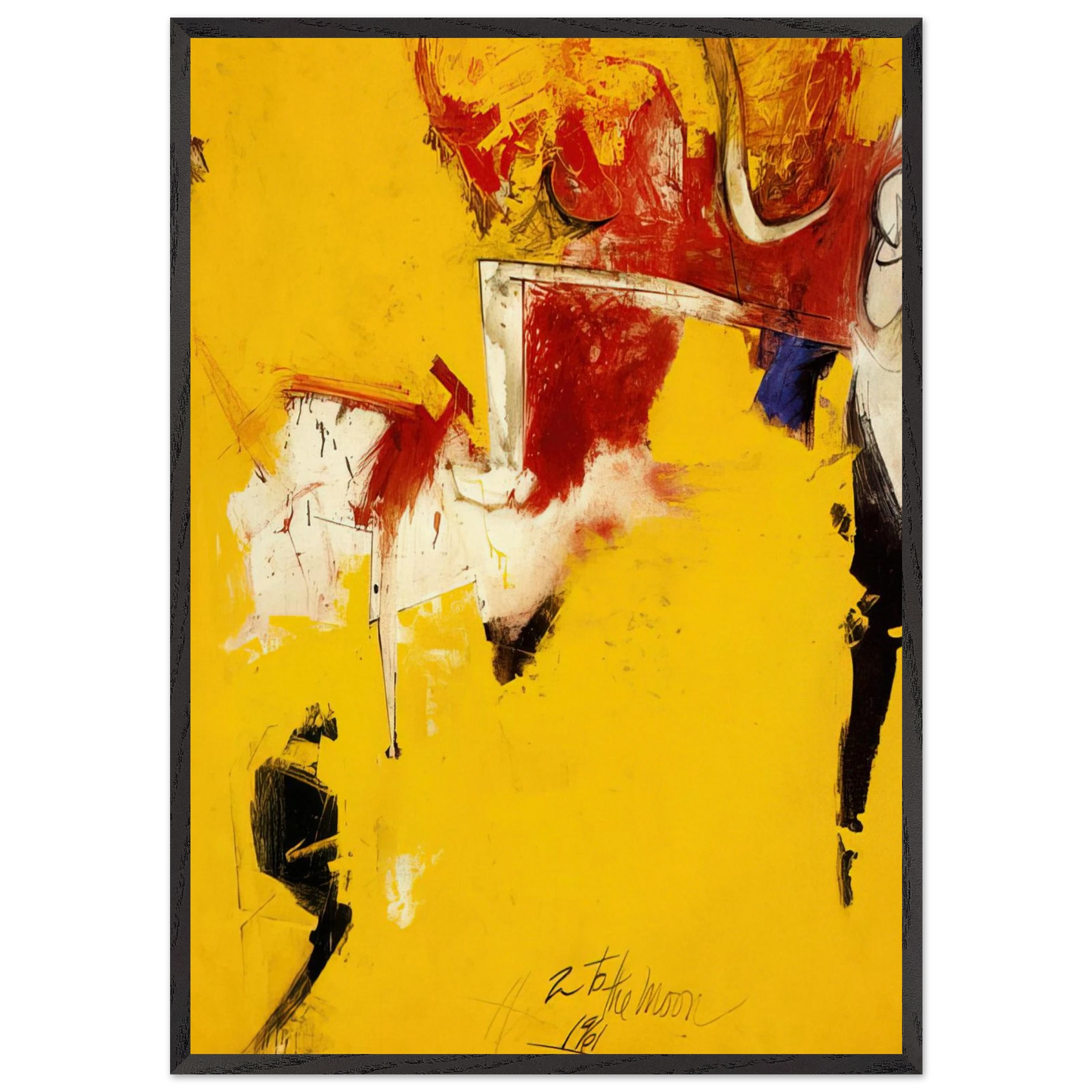
2 to the Moon - 1961 - Hassel Smith 70x100 cm / 28x40 inches Framed Art Print – Black Wooden Frame

2 to the Moon - 1961 - Hassel Smith 70x100 cm / 28x40 inches Framed Art Print – Black Wooden Frame

Běžná cena $449.99 USD
Běžná cena $999.99 USD Výprodejová cena $449.99 USD
Sleva Vyprodáno
Množství

Elevate Your Space with Hassel Smith’s ‘2 to the Moon’ (1961)

Experience the rhythmic vitality of Hassel Smith, a titan of West Coast Abstract Expressionism, through this museum-quality reproduction of his 1961 masterpiece, 2 to the Moon. Smith, a central figure in the San Francisco School, was celebrated for his ability to synthesize raw gestural energy with a sophisticated, jazz-like compositional rhythm. Created at the dawn of the space age, this piece captures the optimism and explosive dynamism of the era, offering a visual journey that transcends the canvas.

This fine art print is more than a simple reproduction; it is a meticulously crafted archival piece curated by RedKalion. Printed on 250 gsm (110 lb) natural white museum-quality paper, the work maintains the depth of Smith’s original palette with a matte, uncoated finish that prevents glare and preserves the integrity of every brushstroke. The 70x100 cm (28x40 inches) format ensures a commanding presence in any contemporary interior.

Premium Craftsmanship and Sustainable Elegance

At RedKalion, we believe that world-class art deserves world-class protection. This print arrives in a sophisticated black wooden frame crafted from responsibly sourced oak and ash. With a robust 20mm (0.79") profile, the frame provides a more substantial and premium aesthetic than standard commercial alternatives. Each piece is shielded by shattherproof plexiglass, ensuring your investment remains pristine for generations.

  • Artist: Hassel Smith (1915–2007)
  • Paper: 250 gsm archival, acid-free, natural white.
  • Frame: Sustainably sourced black oak/ash, 20mm width.
  • Ready-to-Hang: Includes a professional hanging kit for immediate installation.
  • Sustainability: FSC-certified materials, reflecting our commitment to the environment.

By choosing this museum-quality reproduction, you are not merely decorating a wall; you are preserving a moment of art history. Let the rhythmic abstraction of Hassel Smith transform your environment into a gallery-tier sanctuary.

Zobrazit veškeré podrobnosti
What are the exact dimensions of this Hassel Smith framed art print?

The print measures 70x100 cm (28x40 inches). The black wooden frame adds a 20mm (0.79") profile, creating a substantial and sophisticated presence on your wall.

What makes the paper quality used by RedKalion ‘museum-grade’?

We use 250 gsm (110 lb) natural white paper with a matte finish. This archival, uncoated paper is significantly thicker than standard prints, ensuring long-term durability and color fidelity.

Is the frame made of real wood or composite material?

RedKalion uses only premium, responsibly sourced oak and ash wood. The frames are 20mm thick and wide, providing superior structural integrity compared to thinner 14mm alternatives.

How is the artwork protected during shipping and display?

Your print is protected by shatterproof, transparent plexiglass and shipped in robust packaging. It arrives ready-to-hang with a pre-installed kit for a seamless installation experience.

Will the colors in ‘2 to the Moon’ fade over time?

No. By utilizing acid-free archival paper and museum-quality inks, this reproduction is designed to resist yellowing and fading, maintaining its vibrant gestural details for decades.

What is the significance of the year 1961 in Hassel Smith’s work?

1961 was a pivotal year for Smith, marking his transition toward a more structured yet fluid abstraction. The title ‘2 to the Moon’ reflects the cultural fascination with the burgeoning Space Race.

How does Hassel Smith’s style differ from New York Abstract Expressionism?

Smith represented the ‘West Coast’ style, which often integrated a sense of playfulness, jazz-influenced rhythms, and a unique relationship with space that differed from the ‘action painting’ of the New York School.