Přejít na informace o produktu
1 z 1

RedKalion

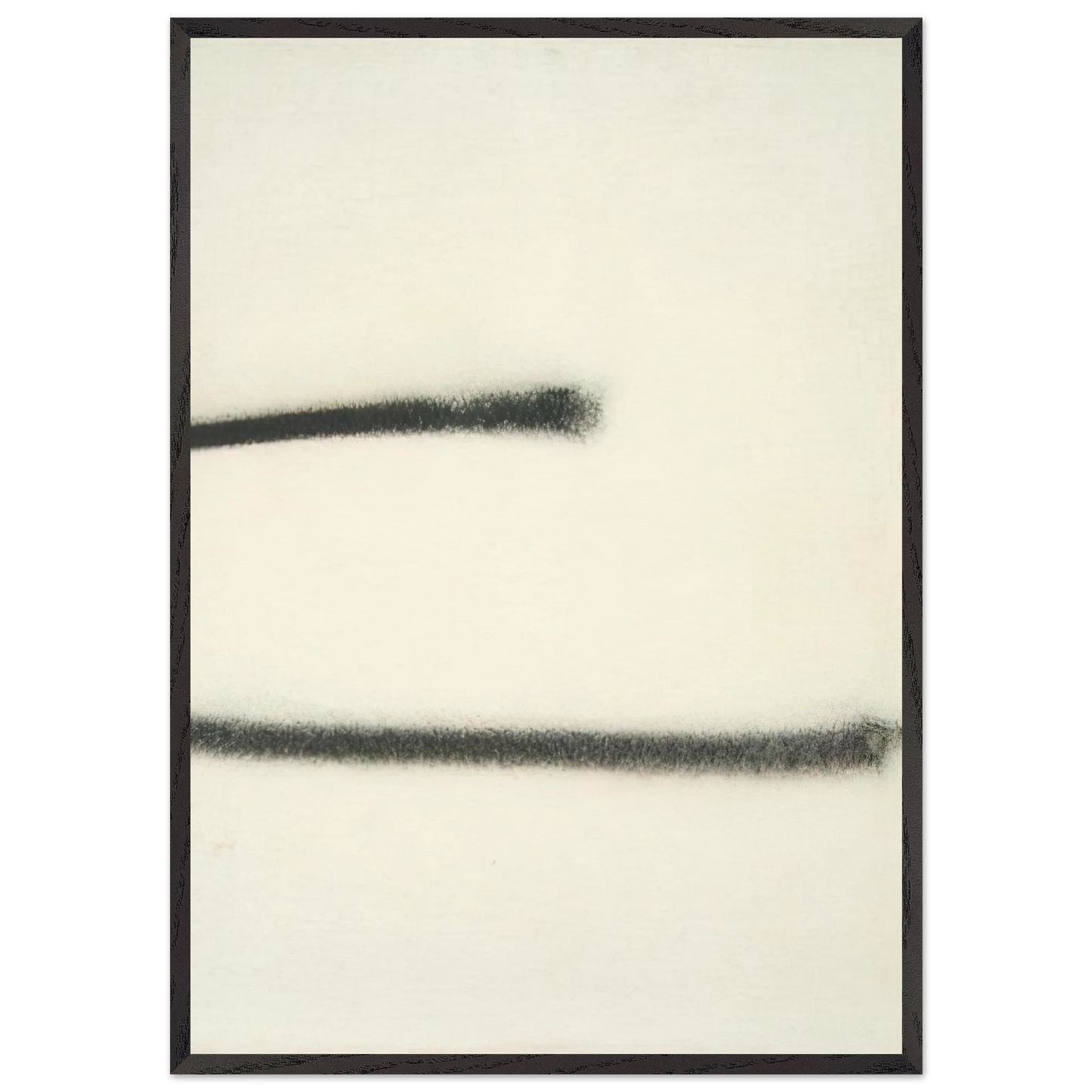
66-6-A - 1966 - Martin Barre 70x100 cm / 28x40 inches Framed Art Print – Black Wooden Frame

66-6-A - 1966 - Martin Barre 70x100 cm / 28x40 inches Framed Art Print – Black Wooden Frame

Běžná cena $449.99 USD
Běžná cena $999.99 USD Výprodejová cena $449.99 USD
Sleva Vyprodáno
Množství

The Spatial Radicalism of Martin Barré’s 66-6-A (1966)

Experience the height of European minimalism with this museum-quality reproduction of Martin Barré’s 66-6-A. Executed in 1966, this piece belongs to Barré’s revolutionary series where he abandoned the traditional brush for the aerosol spray can. By utilizing the 'bomber' technique, Barré explored the tension between the line and the void, creating a conceptual dialogue that redefined abstract art in the mid-20th century. This fine art print captures the subtle texture and precise spatial arrangements that make Barré a titan of post-painterly abstraction.

Museum-Grade Craftsmanship for the Discerning Collector

At RedKalion, we curate archival-grade masterpieces designed to endure for generations. Our reproduction of 66-6-A - 1966 - Martin Barré is printed on 250 gsm (110 lb) natural white, archival museum-quality paper. This uncoated, matte-finish paper ensures that the stark contrast and minimalist depth of the original work are preserved without distracting glare. Each print is housed in a premium black wooden frame, meticulously crafted from responsibly sourced oak or ash.

Refined Specifications

  • Frame Material: Solid oak and ash wood with a sophisticated black finish.
  • Premium Dimensions: The frame features a 20mm (0.79") profile, providing a more substantial and luxurious presence than standard 14mm alternatives.
  • Archival Longevity: 250 gsm (110 lb) natural white paper with a thickness of 0.29 mm (11.4 mils) for a true fine-art feel.
  • Protection: Shatterproof plexiglass ensures your artwork remains pristine while offering superior clarity and safety.
  • Ready to Hang: Includes a high-quality hanging kit for immediate installation.

Elevate your interior with a piece that embodies the intellectual rigor of the 1960s avant-garde. This Martin Barré framed art print is not merely a decoration, but a testament to the enduring power of minimalist precision.

Zobrazit veškeré podrobnosti
What defines the quality of this Martin Barré fine art print?

This print uses 250 gsm archival museum-quality paper with a matte finishing. Our high-resolution printing process ensures that the conceptual spray-can textures of Martin Barré’s 1966 series are reproduced with absolute fidelity and depth.

What are the physical specifications of the black wooden frame?

Our frames are crafted from solid, FSC-certified oak and ash. They measure 20mm (0.79") in thickness and width, providing a premium, sturdy aesthetic that is significantly more durable than the industry-standard 14mm frames.

How is the artwork protected against damage?

Each framed art print is protected by shatterproof, transparent plexiglass. This provides the clarity of glass with added durability and safety, ensuring your Martin Barré reproduction remains in pristine condition for years.

Does the print arrive ready for immediate display?

Yes, every framed print from RedKalion arrives ready-to-hang. We include a dedicated hanging kit with every order, allowing you to elevate your space with this archival masterpiece the moment it arrives.

Is the production process environmentally sustainable?

RedKalion is committed to sustainability. We use FSC-certified wood for our frames and museum-quality paper from responsibly managed forests, ensuring that your art acquisition supports ethical and eco-friendly manufacturing practices.

What was Martin Barré exploring in his 1966 'spray' series?

In 1966, Barré moved away from traditional tools to use spray paint. He sought to decenter the composition, focusing on the trace of the movement and the interaction between the line and the canvas edge, a hallmark of minimalism.

Why is 66-6-A considered a landmark in minimalist abstraction?

66-6-A is significant for its economy of means. By using an industrial tool to create fine art, Barré questioned the 'hand' of the artist and focused on the purely spatial and temporal aspects of the painting process.