RedKalion
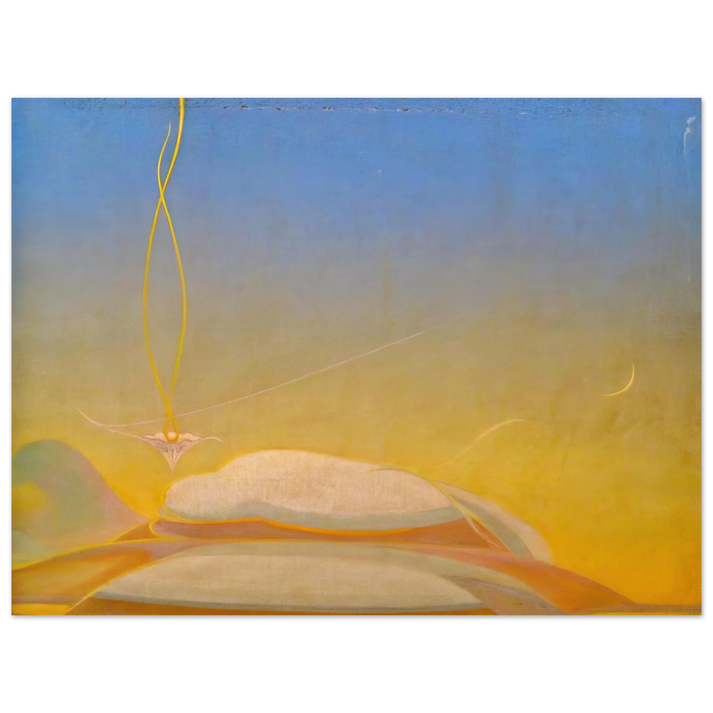
Agnes Lawrence Pelton - Translation - Precisionism 75x100 cm / 30x40inches Fine Art Poster
Agnes Lawrence Pelton - Translation - Precisionism 75x100 cm / 30x40inches Fine Art Poster
Dostupnost vyzvednutí nebylo možné načíst
Agnes Lawrence Pelton: Translation – A Masterpiece of Ethereal Abstraction
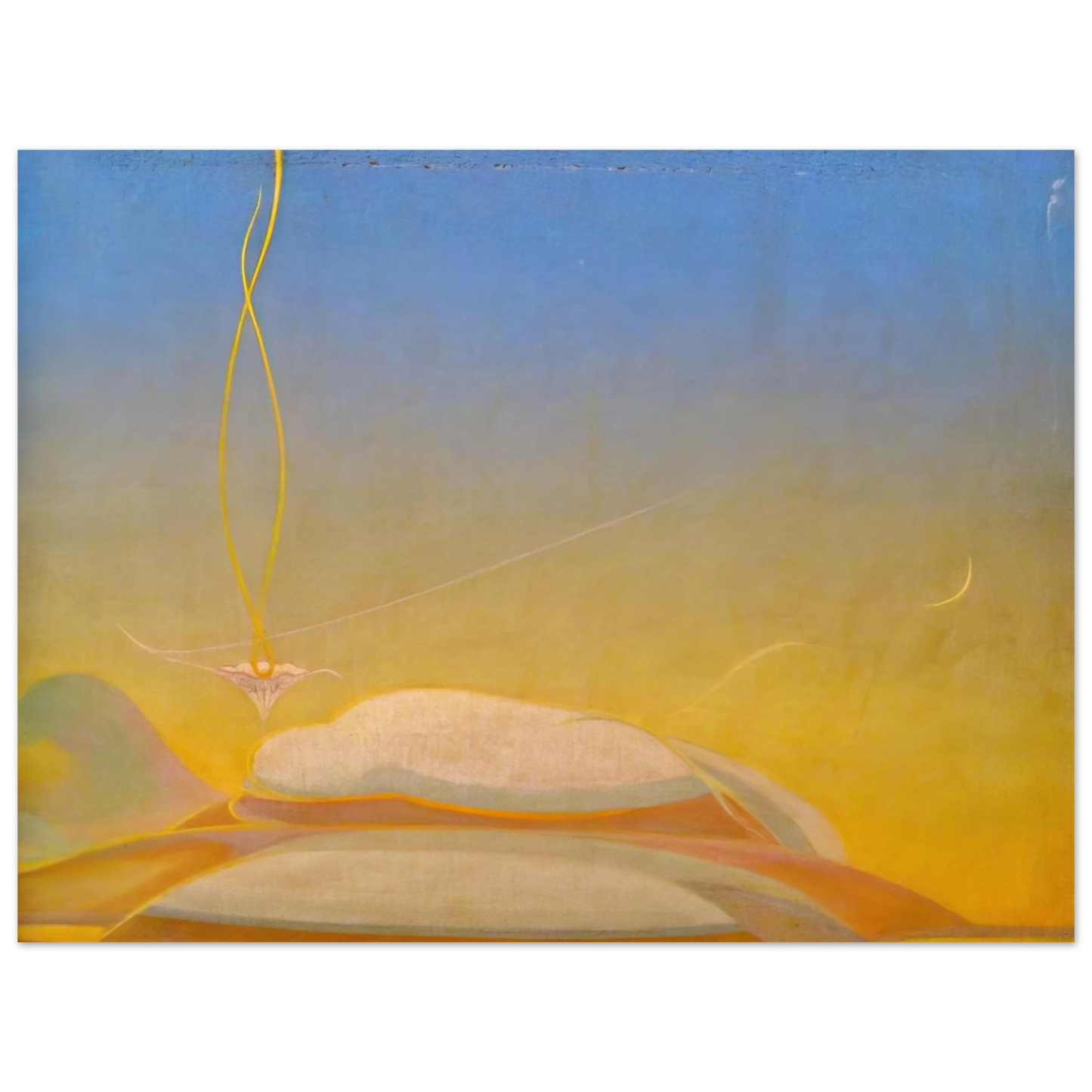
Agnes Lawrence Pelton's 1934 masterpiece, Translation, stands as a luminous pillar of American Modernism. Often associated with the Transcendental Painting Group, Pelton moved beyond the rigid geometries of traditional Precisionism to explore a spiritual, biomorphic abstraction. This work captures a bridge between the physical and the metaphysical, utilizing soft gradients and ethereal light to evoke a sense of deep meditation and cosmic order.
At RedKalion, we honor Pelton's visionary legacy by offering this museum-quality reproduction, meticulously crafted to preserve the subtle tonal shifts and delicate luminosity of the original work. This fine art print serves not just as decor, but as a window into the silent, vibrating energy of the early 20th-century avant-garde.
Product Specifications & Archival Quality
Every print is produced to the highest gallery standards to ensure your investment endures for generations:
- Master's Edition Archival Paper: We use premium 250 gsm (110 lb) museum-quality paper with a thickness of 0.29 mm (11.4 mils) for a substantial, luxurious feel.
- Sophisticated Finish: The matte, uncoated, natural white (off-white) surface eliminates glare and enhances the depth of Pelton's spiritual color palette.
- Enduring Longevity: Our paper is acid-free (pH above 7), preventing the yellowing or degradation common in standard posters.
- Sustainability: In alignment with our commitment to the planet, we utilize FSC-certified paper from responsibly managed forests.
- Precision Fulfillment: Each piece is printed and shipped on demand with no minimum order requirements, ensuring a bespoke experience for every collector.
Elevate your interior with an archival masterpiece that resonates with the quiet power of Agnes Pelton's transcendental vision.
Discover Unlimited Art Possibilities
At RedKalion, you can find virtually any artwork from any artist, available in a wide range of sizes to perfectly match your space.
If you didn’t find what you’re looking for, contact us at support@redkalion.com . We will source any artwork and produce it in any size and format you need, including art prints, posters, canvas, framed pieces, framed canvas, and more.
For dedicated art enthusiasts, we also offer handcrafted replicas of any artwork, carefully painted by highly skilled artists using traditional techniques.
For custom requests, contact us at support@redkalion.com .
What are the exact dimensions of this Agnes Pelton fine art print?
This specific edition of Translation measures 75x100 cm (30x40 inches), a grand format that perfectly captures the expansive, atmospheric quality of Pelton's abstract vision.
What defines the paper quality of RedKalion's museum-grade prints?
We utilize Master's Edition archival paper. It is a 250 gsm (110 lb) natural white, matte, and uncoated stock, providing a premium texture and thickness (0.29 mm) suitable for high-end galleries.
Will this print yellow or fade over time?
No. Our prints use acid-free paper with a pH value above 7. This archival standard ensures the paper will not yellow or become brittle, preserving the artwork's integrity for decades.
Is the paper used for this reproduction environmentally friendly?
Yes, we prioritize sustainability. The paper used for our Agnes Pelton prints is FSC-certified, ensuring it comes from responsibly managed forests that provide environmental, social, and economic benefits.
How is my order processed and shipped?
RedKalion prints and ships all orders on demand. There are no minimum order requirements, and each print is handled with extreme care to ensure it arrives in pristine condition at your door.
What is the historical significance of Pelton’s 'Translation'?
Painted in 1934, Translation represents Pelton's shift toward Transcendentalism. It reflects her interest in the spiritual 'vibrations' of color and form, distinguishing her from more industrial Precisionist contemporaries.
How does Pelton's style in 'Translation' differ from traditional Precisionism?
While it shares the clean lines of Precisionism, Translation focuses on biomorphic, organic shapes and spiritual themes rather than the industrial or urban subjects typically associated with artists like Charles Sheeler.