

RedKalion
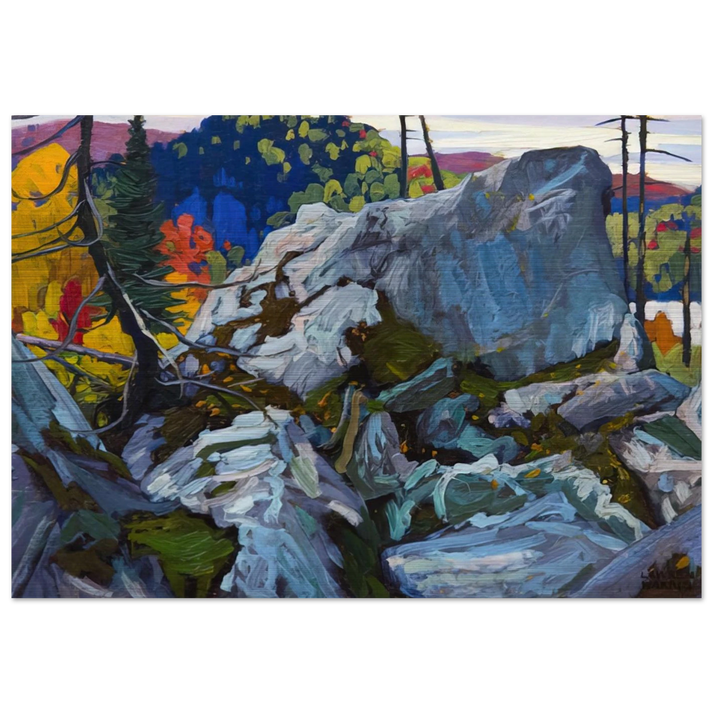
Autumn Batchewana - 1918 - Lawren Harris Brushed Aluminum Print - 70x100 cm / 28x40 inches | Lawren Harris Aluminum Print | Lawren Harris Prints
Autumn Batchewana - 1918 - Lawren Harris Brushed Aluminum Print - 70x100 cm / 28x40 inches | Lawren Harris Aluminum Print | Lawren Harris Prints
Dostupnost vyzvednutí nebylo možné načíst
A Visionary Interpretation: Lawren Harris's Autumn Batchewana (1918)
Experience the raw, rhythmic energy of the Canadian wilderness through this museum-quality reproduction of Lawren Harris’s "Autumn Batchewana" (1918). As a founding figure of the Group of Seven, Harris sought to capture the spiritual essence of the North. This particular piece, born from the legendary Algoma boxcar trips, showcases a masterful transition toward the stylized, structured forms that would define his legacy as a titan of landscape art.
The Precision of Brushed Aluminum DIBOND®
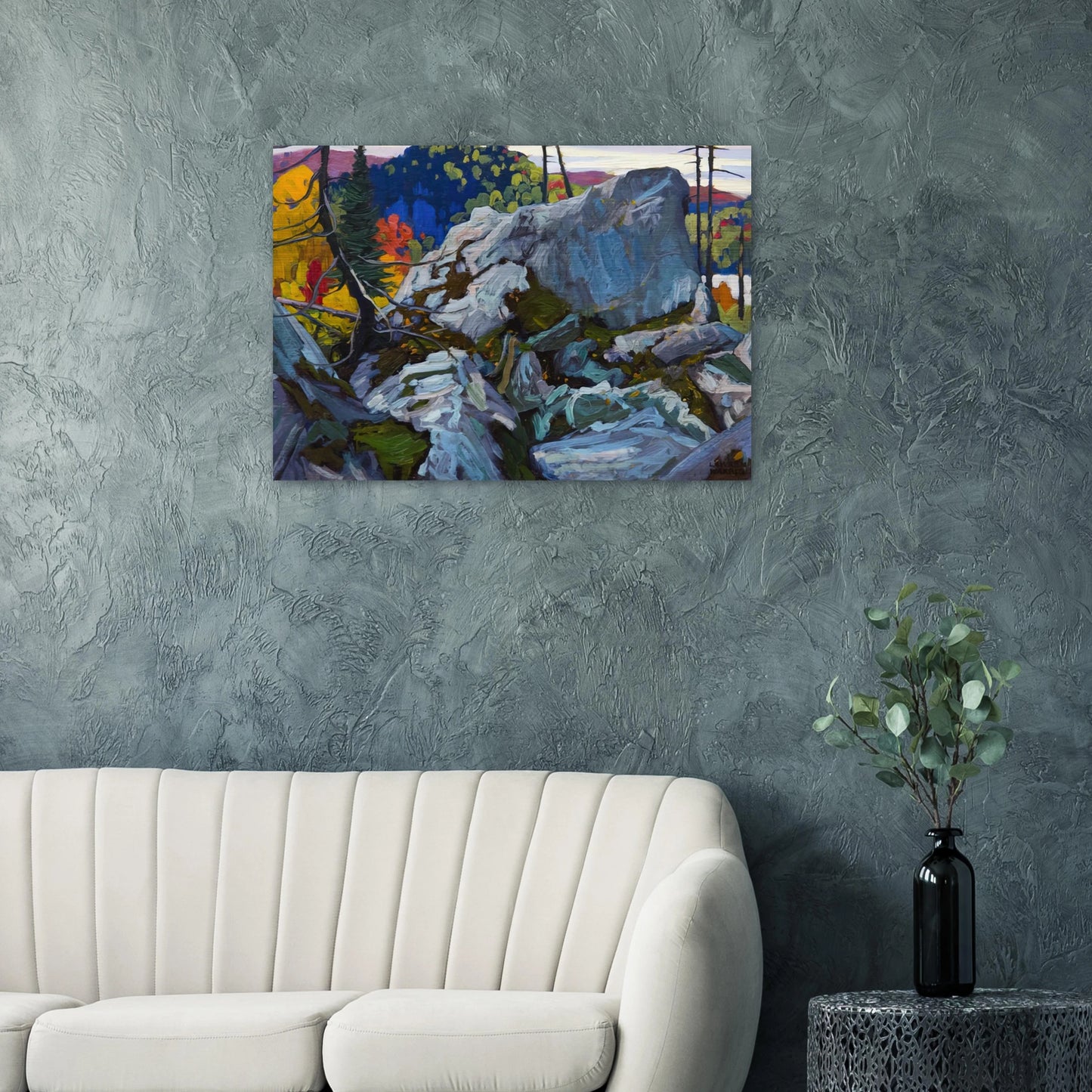
At RedKalion, we elevate this historical masterpiece by presenting it on brushed silver Aluminum DIBOND®. This sophisticated medium features a 3mm (0.12") rigid base with a unique horizontal grain that adds a dynamic, shimmering depth to Harris's vibrant autumn palette. The printing process involves a high-definition direct-to-substrate technique where unprinted white areas reveal the natural metallic silver effect, allowing the composition to interact beautifully with your room's lighting.
- Matte Finish: A glare-free surface ensures the intricate details of Harris's brushwork are visible even in brightly lit environments.
- Archival Durability: The 3mm AluDibond® provides a lightweight yet robust structure that resists warping and environmental degradation.
- Modern Aesthetic: The brushed silver grain offers an industrial-chic contrast to the wild, organic subjects of the 1918 composition.
Curated Excellence for the Modern Collector
This 70x100 cm (28x40 inch) Lawren Harris fine art print is more than a reproduction; it is a dialogue between early 20th-century landscape mastery and 21st-century material science. By choosing a RedKalion archival-grade piece, you are investing in a work designed to endure, reflecting a commitment to both historical preservation and contemporary aesthetic sophistication. Elevate your space with an archival masterpiece that endures.


Discover Unlimited Art Possibilities
At RedKalion, you can find virtually any artwork from any artist, available in a wide range of sizes to perfectly match your space.
If you didn’t find what you’re looking for, contact us at support@redkalion.com . We will source any artwork and produce it in any size and format you need, including art prints, posters, canvas, framed pieces, framed canvas, and more.
For dedicated art enthusiasts, we also offer handcrafted replicas of any artwork, carefully painted by highly skilled artists using traditional techniques.
For custom requests, contact us at support@redkalion.com .
What makes the Lawren Harris brushed aluminum print unique?
Unlike traditional paper, the brushed silver Aluminum DIBOND® adds a metallic depth and horizontal grain that interacts with light, enhancing the rhythmic textures found in Lawren Harris's 1918 compositions.
How does the metallic silver effect impact the artwork's appearance?
In this Lawren Harris print, white or light areas in the original painting are left unprinted. This reveals the raw, brushed metallic surface, creating a striking silver effect that changes with your viewing angle.
Is the hanging hardware included with my 70x100 cm print?
Yes, every RedKalion aluminum print includes a specialized hanging kit. The hardware varies by fulfillment country to ensure your archival masterpiece is mounted securely and elegantly.
What are the archival properties of an AluDibond® print?
AluDibond® is a museum-grade material that is exceptionally rigid and durable. We use UV-resistant inks for direct printing, ensuring your Lawren Harris reproduction maintains its vivid colors for decades.
How is the print protected against glare and environmental factors?
The print features a professional matte, glare-free finish. The aluminum substrate is resistant to moisture and temperature fluctuations, making it superior to traditional framed paper prints in high-traffic areas.
What is the historical significance of Autumn Batchewana (1918)?
Painted during a pivotal 1918 trip to the Algoma region, this work represents Harris's shift toward the bold, simplified forms that helped define the Group of Seven's unique Canadian identity.
How did Lawren Harris's style change during the 1918 Algoma period?
In 1918, Harris moved away from post-impressionist details toward structural clarity and a rhythmic, vibrant color palette, as seen in the bold yellows and structured hills of Batchewana.