
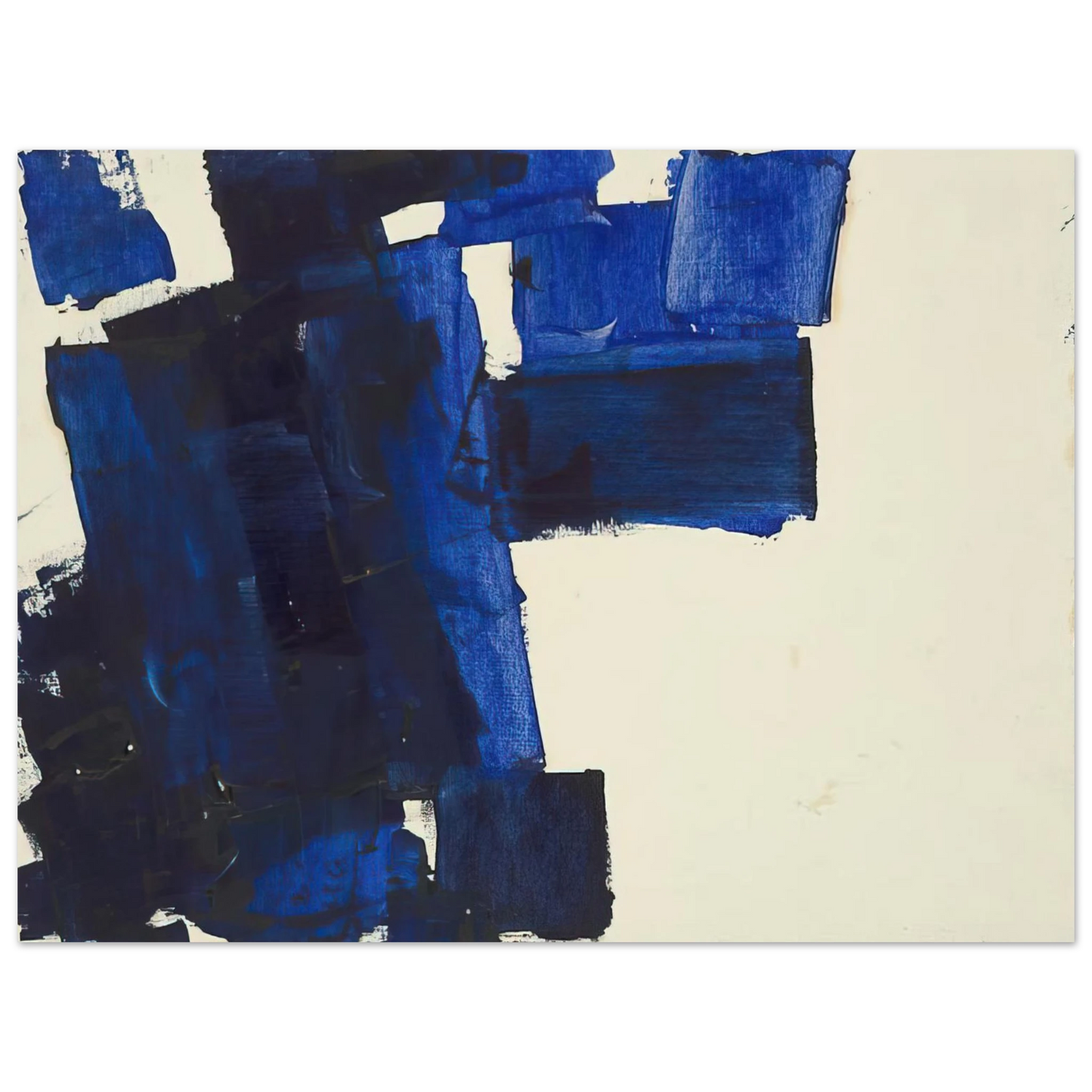
What makes the Master's Edition paper special for this Posenenske print?
Our Master's Edition is a museum-quality, 250 gsm (110 lb) archival paper. It features a matte, uncoated finish and a natural white tone that preserves the integrity of minimalist works without the distraction of glare.
How does the archival quality ensure the print's longevity?
The paper is acid-free with a pH balance above 7. This chemical stability prevents the paper from yellowing or becoming brittle, ensuring the artwork maintains its original brilliance for decades.
Is the packaging and fulfillment sustainable?
Yes. We use FSC-certified paper from responsibly managed forests. Each print is produced and shipped on demand, which reduces waste and eliminates the need for surplus inventory storage.
What are the exact dimensions and thickness of this artwork?
This specific edition is 75x100 cm (30x40 inches). The paper has a premium thickness of 0.29 mm (11.4 mils), providing a sturdy, high-end feel characteristic of fine art galleries.
How will my order be fulfilled and shipped?
RedKalion offers on-demand printing with no minimum order requirements. Each piece is meticulously checked for quality, securely packaged, and shipped directly to your door to ensure it arrives in pristine condition.
What was the significance of Charlotte Posenenske’s work in 1961?
1961 was a transition period for Posenenske, moving from palette-knife paintings toward structured abstraction. This piece represents her early exploration of geometry and space before she moved into her famous modular sculptures.
Why is the artwork titled "Untitled"?
Posenenske often titled her works "Untitled" to remove narrative bias, encouraging the viewer to focus purely on the objective formal qualities, spatial relationships, and the industrial nature of the medium itself.