
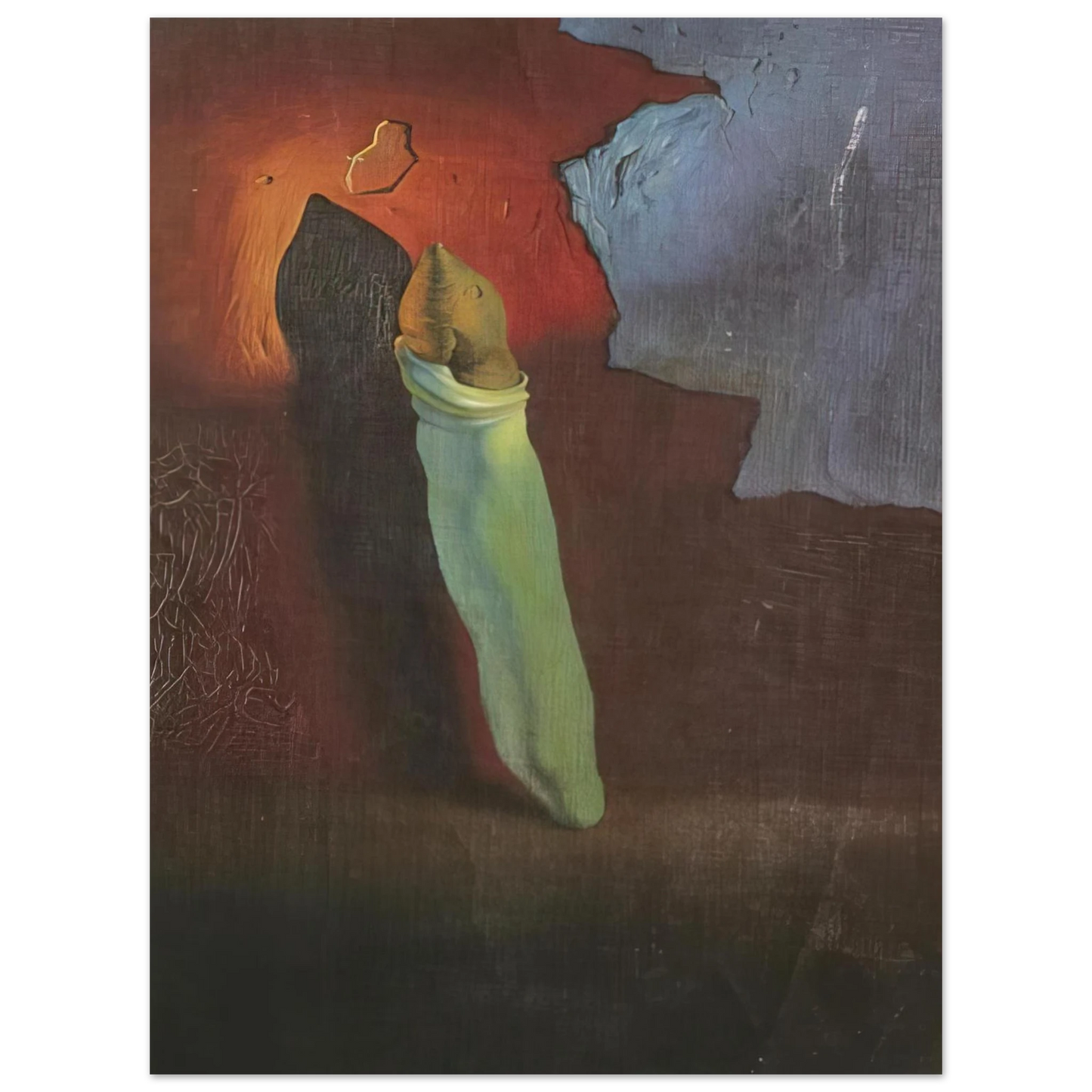
What is the historical significance of Salvador Dalí's "Anthropomorphic Bread 1"?
Created in 1932, this painting exemplifies Dalí's surrealist technique, using bread as a symbol of transformation and desire, reflecting his paranoiac-critical method to explore subconscious themes in fine art.
How does the paper quality ensure this is a museum-quality reproduction?
Our Master's Edition archival paper is acid-free (pH above 7), FSC-certified, and features a matte, uncoated finish with 250 gsm weight for a durable, luxurious texture that mimics original artworks.
What are the exact dimensions of this fine art print?
This print measures 75x100 cm (30x40 inches), making it an ideal size for display in homes or offices as a premium Salvador Dalí poster.
Is this print shipped ready to frame?
Yes, it arrives flat and protected, ready for framing to showcase your archival Dalí reproduction without damage.
How long will the colors last on this archival print?
With acid-free, pH-balanced paper, colors remain vibrant for decades, ensuring your anthropomorphic bread art print resists yellowing over time.
What inspired Dalí to use bread in his surrealist works?
Dalí often used bread as a symbol of nourishment and metamorphosis, drawing on Catalan culture and Freudian psychology to create dreamlike imagery in his art.
Can I order this print in custom sizes?
This print is available only in the standard 75x100 cm size to maintain the integrity of Dalí's original composition in our museum-quality reproductions.