RedKalion
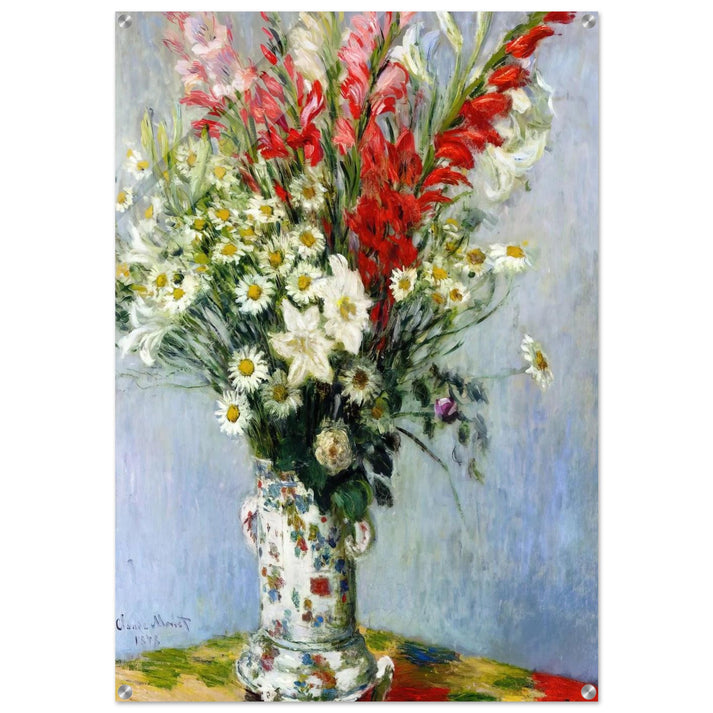
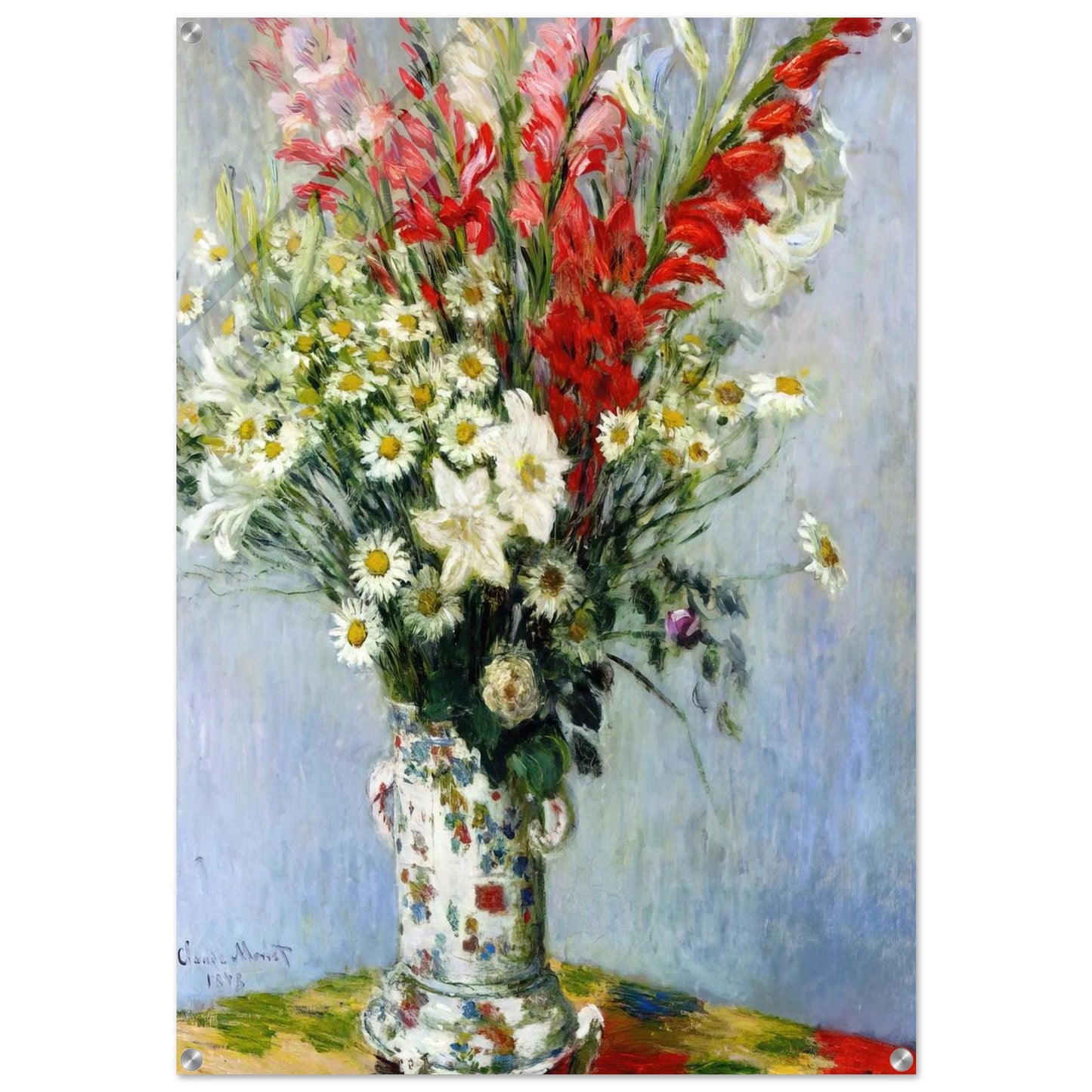
Bouquet of Gadiolas, Lilies and Dasies - claude monet Acrylic Print - 70x100 cm / 28x40″ inches
Bouquet of Gadiolas, Lilies and Dasies - claude monet Acrylic Print - 70x100 cm / 28x40″ inches
Verfügbarkeit für Abholungen konnte nicht geladen werden
Elevate Your Space with Claude Monet’s Impressionist Mastery
Experience the timeless elegance of Claude Monet’s "Bouquet of Gladiolas, Lilies and Daisies" through a medium that bridges the gap between 19th-century genius and 21st-century sophistication. This exquisite fine art print captures Monet’s revolutionary use of light and color, transforming a classic floral arrangement into a vibrant exploration of texture and atmosphere. At RedKalion, we curate museum-quality reproductions that honor the artist's original vision while offering the durability of modern materials.
The Artistry Behind the Bouquet
In this composition, Monet moves beyond mere representation, utilizing the loose, rhythmic brushstrokes that defined Impressionism. The gladiolas reach upward with architectural grace, while the delicate lilies and daisies provide a soft, textural counterpoint. Monet’s fascination with the way light interacts with organic forms is palpable here, making this piece a centerpiece of tranquil energy. By choosing this Claude Monet acrylic print, you are bringing a slice of Giverny’s floral abundance into your home or office.
Premium Acrylic Craftsmanship
Our commitment to excellence is reflected in the physical specifications of this piece. This is not a standard reproduction; it is a meticulously crafted archival-grade masterpiece. The 70x100 cm (28x40″) format offers a commanding presence, perfect for sophisticated interiors.
- Material: 4mm (0.15") premium acrylic for depth, vibrancy, and a glass-like finish without the fragility.
- Design: Modern straight-cut corners and a sleek profile that complements any contemporary or classical decor.
- Visual Clarity: Transparent backgrounds default to a crisp white, ensuring every petal and brushstroke pops with high-definition clarity.
- Durability: Highly resistant to impact and fading, designed to endure for generations.
Installation and Presentation
To ensure your artwork is gallery-ready upon arrival, each RedKalion acrylic print includes a professional hanging kit. The piece features pre-drilled holes at each corner (14mm from the edge) and comes with high-quality screws and hardware. The 15mm screw heads provide a secure, floating-effect mount that enhances the modern aesthetic of the acrylic medium. Transform your environment with a piece that speaks to both history and innovation.
Discover Unlimited Art Possibilities
At RedKalion, you can find virtually any artwork from any artist, available in a wide range of sizes to perfectly match your space.
If you didn’t find what you’re looking for, contact us at support@redkalion.com . We will source any artwork and produce it in any size and format you need, including art prints, posters, canvas, framed pieces, framed canvas, and more.
For dedicated art enthusiasts, we also offer handcrafted replicas of any artwork, carefully painted by highly skilled artists using traditional techniques.
For custom requests, contact us at support@redkalion.com .
What makes the 4mm acrylic print unique compared to canvas?
Our 4mm acrylic prints offer superior depth and color vibrancy. The light-refracting properties of acrylic enhance Monet’s brushwork, creating a luminous, three-dimensional effect that traditional canvas cannot replicate, while providing a sleek, modern finish.
How do I hang this Claude Monet acrylic print?
Each print includes a professional hanging kit with screws and pre-drilled holes at each corner. The 15mm screw heads ensure a secure, flush-to-wall or slightly offset mounting that highlights the contemporary design of the piece.
Is the artwork resistant to fading over time?
Yes, we use archival-grade inks and high-quality acrylic that protects the print from UV damage. This ensures that the vivid colors of the gladiolas and lilies remain as striking as the day they were printed.
How is the large-format print protected during transit?
RedKalion employs rigorous packaging standards. Each 70x100 cm print is meticulously wrapped in protective layers and housed in a reinforced crate to ensure it arrives in pristine, museum-ready condition.
Is the 70x100 cm size suitable for standard walls?
The 70x100 cm (approx. 28x40″) dimension is a classic large-format size. It serves perfectly as a focal point above a sofa, mantle, or in a grand hallway, providing an immersive visual experience.
What inspired Monet to paint "Bouquet of Gladiolas, Lilies and Daisies"?
Monet was a passionate gardener who viewed his floral arrangements as living compositions. This piece reflects his obsession with capturing the fleeting beauty of nature and the shifting qualities of light on different botanical textures.
How does the Impressionist style influence this floral composition?
Rather than focusing on fine detail, Monet uses rapid, broken brushstrokes to capture the 'impression' of the bouquet. This technique emphasizes color harmony and the play of light, creating a sense of movement and life.