Zu Produktinformationen springen
1 von 6

RedKalion

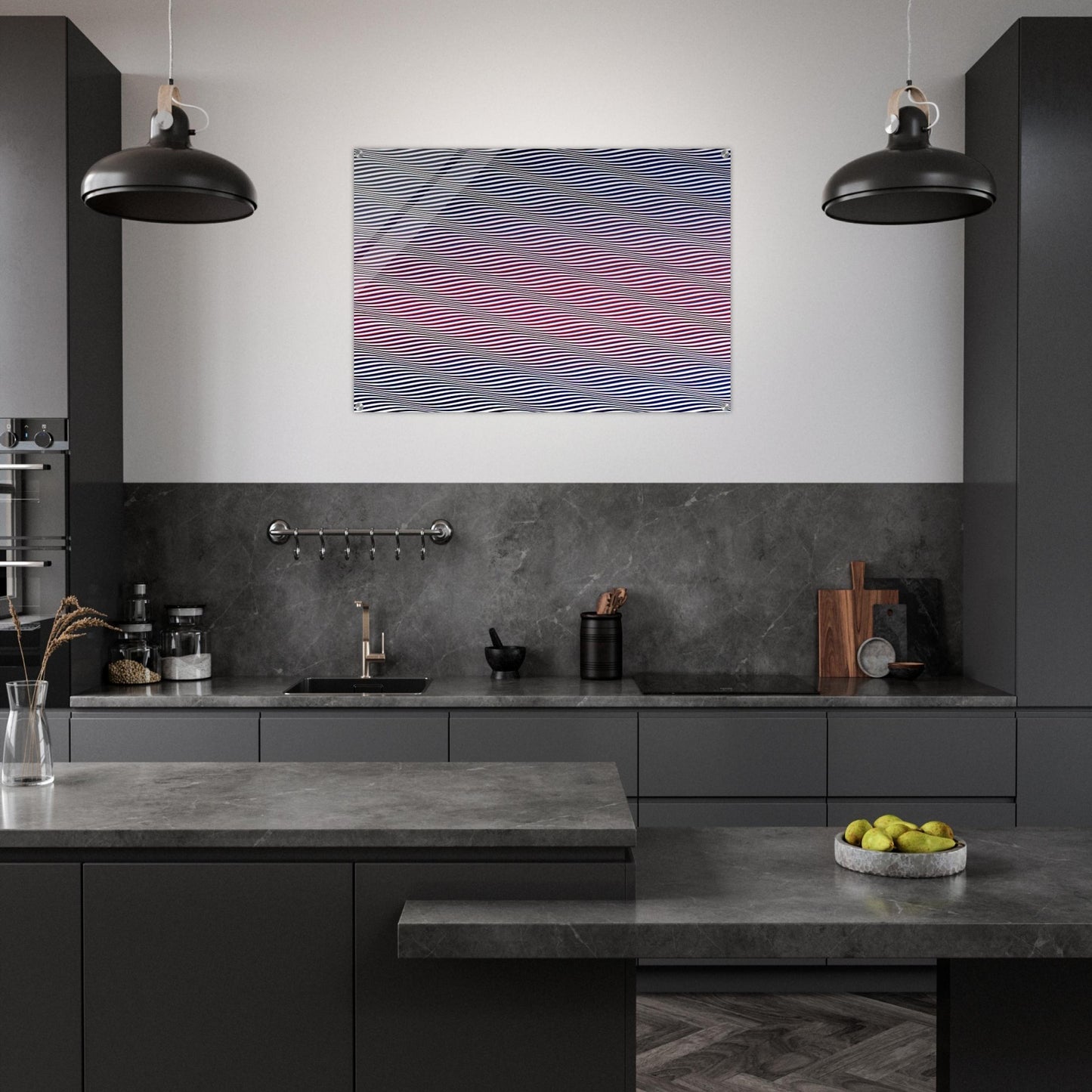
CATARACT 3 1967 - Bridget Riley Acrylic Print - 70x100 cm / 28x40″ inches

CATARACT 3 1967 - Bridget Riley Acrylic Print - 70x100 cm / 28x40″ inches

Normaler Preis $399.99 USD
Normaler Preis $899.99 USD Verkaufspreis $399.99 USD
Sale Ausverkauft
Anzahl

Experience the Kinetic Energy of Bridget Riley’s Cataract 3 (1967)

Immerse yourself in the pinnacle of the Op Art movement with this museum-quality reproduction of Bridget Riley’s Cataract 3 (1967). This seminal work captures a transformative moment in Riley's career as she transitioned from her iconic black-and-white experiments into the sophisticated world of color. The undulating waves of grey, turquoise, and vermilion interact to create a shimmering, rhythmic sensation that challenges the viewer's perception of stability and movement.

The Art of Perception: A Masterpiece in Color Theory

In Cataract 3, Riley utilizes her signature wavy lines to manipulate the 'unstable' nature of vision. By juxtaposing cool and warm tones, she induces a biological response in the eye, making the static image appear to vibrate and flow. This fine art print allows you to own a piece of history that defined the 1960s avant-garde, meticulously reproduced to preserve the exact chromatic tension intended by the artist.

Elevated Modern Presentation

Our premium acrylic print offers a depth and brilliance that standard canvas or paper cannot match. Each piece is crafted with 4mm (0.15") high-grade acrylic, providing a sleek, glass-like finish that enhances the vibrant colors and sharp lines of Riley's masterpiece. The straight-cut corners offer a contemporary aesthetic, making it an ideal center-piece for modern interiors and professional galleries alike.

Precision Craftsmanship and Installation

At RedKalion, we prioritize both artistic integrity and structural durability. This 70x100 cm (28x40″) installation includes a professional hanging kit featuring stainless steel screws and pre-drilled holes at each corner (14mm from the edge). The transparency of the acrylic is balanced with a white background layer, ensuring the colors remain opaque and vivid regardless of the wall color behind it. Elevate your collection with an archival-grade reproduction designed to endure for generations.

Vollständige Details anzeigen
What makes the acrylic print quality different from standard posters?

Our 4mm acrylic prints provide a vibrant, high-gloss finish with a sense of three-dimensional depth. Unlike paper, the acrylic medium protects the artwork from UV damage and moisture, ensuring archival longevity and museum-quality color accuracy.

Is the mounting hardware included with the print?

Yes, each Bridget Riley print includes a comprehensive hanging kit. This includes four corner screws with an 8mm diameter and 15mm screw heads, designed to fit into pre-drilled holes for a secure, professional-grade installation.

How is the artwork protected during shipping?

We use specialized protective packaging designed for fragile fine art. Your acrylic print is wrapped in protective layers and shipped in a reinforced crate to ensure it arrives in pristine, gallery-ready condition.

Will the colors fade over time?

No, we use archival-grade inks and high-quality 4mm acrylic that naturally filters out harmful UV rays. This ensures that the intricate color dynamics of Cataract 3 remain as vivid as the day they were printed.

Is this print suitable for high-moisture environments?

The durable acrylic material and white-backing process make this print highly resistant to humidity and temperature fluctuations, making it suitable for sophisticated placement in diverse climates.

What is the significance of the Cataract series in Op Art?

The Cataract series represents Bridget Riley's first foray into using color to induce optical instability. It is considered a landmark achievement in the Op Art movement for its ability to create perceived movement through chromatic interference.

Why did Bridget Riley transition from black and white to color in 1967?

In 1967, Riley felt she had exhausted the possibilities of monochrome. By introducing color in Cataract 3, she discovered she could create even more complex visual sensations, where the colors themselves seem to change based on their proximity to one another.