

RedKalion
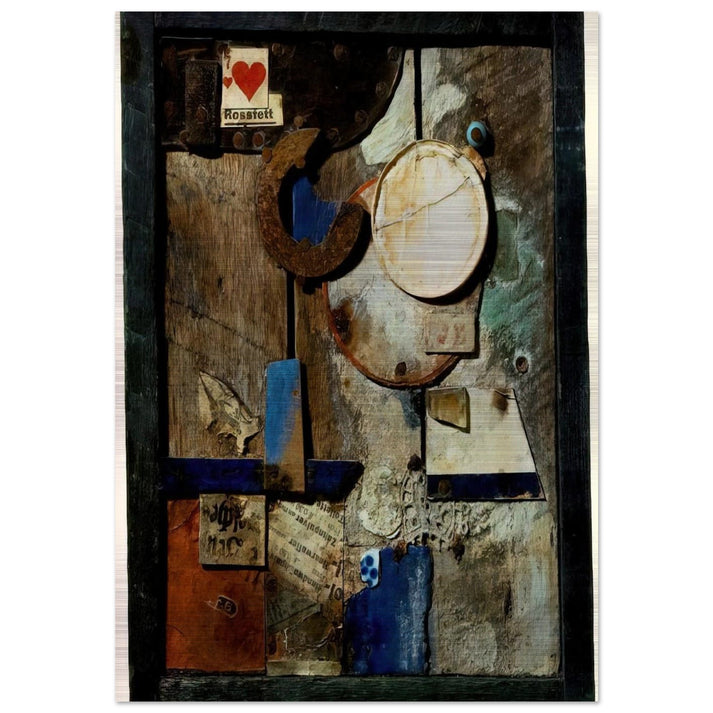
MERZBILD ROSSFETT 1919 - Kurt Schwitters Brushed Aluminum Print - 70x100 cm / 28x40 inches | Kurt Schwitters Aluminum Print | Kurt Schwitters Prints
MERZBILD ROSSFETT 1919 - Kurt Schwitters Brushed Aluminum Print - 70x100 cm / 28x40 inches | Kurt Schwitters Aluminum Print | Kurt Schwitters Prints
Verfügbarkeit für Abholungen konnte nicht geladen werden
MERZBILD ROSSFETT 1919 - Kurt Schwitters Brushed Aluminum Print
Own a museum-quality reproduction of Kurt Schwitters' groundbreaking 1919 collage "Merzbild Rossfett", expertly printed on premium brushed silver Aluminum DIBOND®. This fine art print captures the raw energy of Schwitters' Dadaist vision, where discarded materials—ticket stubs, wood scraps, and printed ephemera—are transformed into a revolutionary composition that challenged traditional aesthetics. The 70x100 cm (28x40 inches) format ensures this iconic work commands attention in any modern interior.
RedKalion's archival-grade aluminum print technology elevates Schwitters' monochromatic palette with a matte, glare-free finish that enhances contrast and detail. The 3mm thick Aluminum DIBOND® base provides a durable, rigid foundation, while the direct print process yields vivid blacks and crisp textures. Unprinted areas reveal a subtle metallic silver effect, adding a dynamic, contemporary sheen that complements the artwork's industrial origins.
As a pioneer of Merz art, Schwitters redefined artistic creation by embracing chaos and found objects. This piece, created in post-WWI Germany, reflects his radical approach to composition and materiality. RedKalion honors this legacy with a reproduction that combines historical authenticity with modern durability—ideal for collectors seeking a statement piece that bridges early 20th-century avant-garde and contemporary design.
Elevate your space with an archival masterpiece that endures. This Kurt Schwitters aluminum print includes a complete hanging kit for seamless installation, making it a sophisticated addition to homes, offices, or galleries.


Discover Unlimited Art Possibilities
At RedKalion, you can find virtually any artwork from any artist, available in a wide range of sizes to perfectly match your space.
If you didn’t find what you’re looking for, contact us at support@redkalion.com . We will source any artwork and produce it in any size and format you need, including art prints, posters, canvas, framed pieces, framed canvas, and more.
For dedicated art enthusiasts, we also offer handcrafted replicas of any artwork, carefully painted by highly skilled artists using traditional techniques.
For custom requests, contact us at support@redkalion.com .
What are the dimensions and material of this Kurt Schwitters print?
This fine art print measures 70x100 cm (28x40 inches) and is crafted from brushed silver Aluminum DIBOND® with a 3mm thickness for a durable, museum-quality reproduction.
How does the brushed aluminum finish enhance the artwork?
The matte, glare-free finish and horizontal grain create a dynamic look, with unprinted areas revealing a metallic silver effect that highlights Schwitters' black-and-white Dadaist collage.
Is a hanging kit included with the aluminum print?
Yes, a complete hanging kit is included for easy installation; specific components may vary by fulfillment country to ensure secure mounting.
What is the archival quality of this aluminum print?
Printed directly on Aluminum DIBOND® with fade-resistant inks, this archival-grade reproduction offers long-lasting color vibrancy and durability for a premium art display.
How does shipping work for this large-format print?
We ship worldwide in protective packaging to prevent damage; delivery times and options depend on your location, with tracking provided for all orders.
What is the historical significance of "Merzbild Rossfett"?
Created in 1919, this collage exemplifies Kurt Schwitters' Merz art movement, using found objects to challenge traditional aesthetics in post-WWI Germany's Dadaist era.
Why did Schwitters use discarded materials in his art?
Schwitters embraced chaos and everyday ephemera like ticket stubs to create revolutionary compositions, reflecting his belief in art's potential to transform mundane objects into meaningful expressions.