Μετάβαση στις πληροφορίες προϊόντος
1 από 1

RedKalion

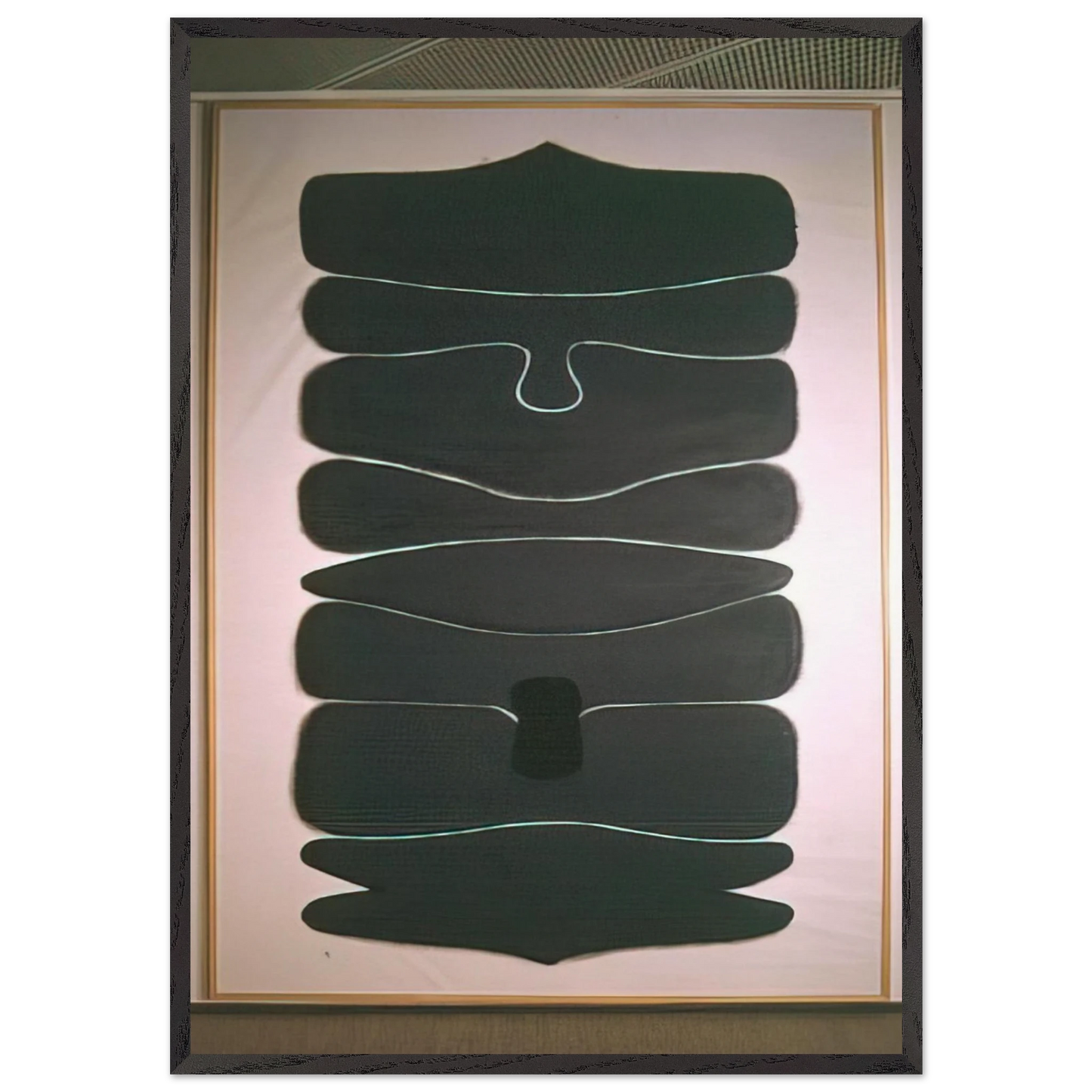
APPOLLO 1 ASCENDING DEVELOPMENT 1969 - Victor Pasmore 70x100 cm / 28x40 inches Framed Art Print – Black Wooden Frame

APPOLLO 1 ASCENDING DEVELOPMENT 1969 - Victor Pasmore 70x100 cm / 28x40 inches Framed Art Print – Black Wooden Frame

Κανονική τιμή $449.99 USD
Κανονική τιμή $999.99 USD Τιμή έκπτωσης $449.99 USD
Έκπτωση Εξαντλήθηκε
Ποσότητα

Apollo 1 Ascending Development (1969) by Victor Pasmore

Experience the architectural rhythm and geometric lyricism of Victor Pasmore’s Apollo 1 Ascending Development (1969). As a pioneer of British abstraction, Pasmore transitioned from representational painting to a sophisticated language of organic and linear forms. This particular work, created during a pivotal era of spatial exploration, reflects a dynamic balance between mathematical precision and poetic spontaneity.

At RedKalion, we elevate this modernist masterpiece through a museum-quality reproduction that honors the artist's original vision. Each print is meticulously rendered on 250 gsm (110 lb) natural white, archival-grade paper. This premium, uncoated matte finish ensures a depth of color and clarity that eliminates glare, allowing the intricate 'ascending' layers of the composition to resonate in any lighting environment.

Archival Craftsmanship & Premium Framing

To preserve the integrity of this Victor Pasmore fine art print, we house it in a robust, responsibly sourced black wooden frame. Unlike standard retail frames, ours are crafted from high-density oak and ash wood, measuring 20mm (0.79") in both width and thickness for a substantial, gallery-ready presence. Protected by shatterproof plexiglass, your artwork is shielded from environmental stressors while maintaining crystal-clear visibility.

  • Gallery Aesthetic: A sophisticated 28x40 inch (70x100 cm) format that serves as a focal point for contemporary interiors.
  • Sustainable Excellence: Printed on FSC-certified materials, supporting global reforestation efforts.
  • Exhibition Ready: Arrives fully assembled with an integrated hanging kit for immediate installation.

Enhance your collection with an archival work that bridges the gap between historical significance and modern elegance. This RedKalion edition of Apollo 1 Ascending Development is more than a print; it is an enduring investment in aesthetic heritage.

Προβολή όλων των λεπτομερειών
What materials are used for this Victor Pasmore print?

We use 250 gsm (110 lb) natural white, museum-quality paper. The archival, uncoated matte finish ensures long-lasting color vibrancy and prevents yellowing over time, meeting the highest standards for fine art reproduction.

How is the Apollo 1 Ascending Development framed?

The print is professionally mounted in a 20mm thick black frame crafted from sustainably sourced oak and ash wood. It features shatterproof plexiglass for optimal protection and a premium gallery appearance.

Is the artwork ready to hang upon arrival?

Yes. Your RedKalion framed art print arrives fully assembled with a high-quality hanging kit included, allowing you to elevate your space immediately without additional hardware or assembly required.

What makes RedKalion prints archival quality?

Our prints use acid-free, FSC-certified paper and pigment-based inks. This combination ensures that the artwork remains resistant to fading for decades, preserving the historical detail of Pasmore's work.

How is the artwork protected during shipping?

We use specialized, reinforced packaging to ensure your frame arrives in pristine condition. The use of shatterproof plexiglass instead of standard glass significantly reduces the risk of damage during transit.

What is the significance of the 'Apollo' title in Pasmore's 1969 work?

Created in 1969, the title likely references the era's fascination with the Apollo moon landings. Pasmore used these themes to explore concepts of spatial development, movement, and the reach of human perception through abstraction.

Who was Victor Pasmore in the context of British Modernism?

Victor Pasmore was a central figure in the British Abstract movement. He led the transition from traditional landscape painting to radical 'Constructionism,' influencing 20th-century art through his emphasis on geometry and organic forms.