

RedKalion
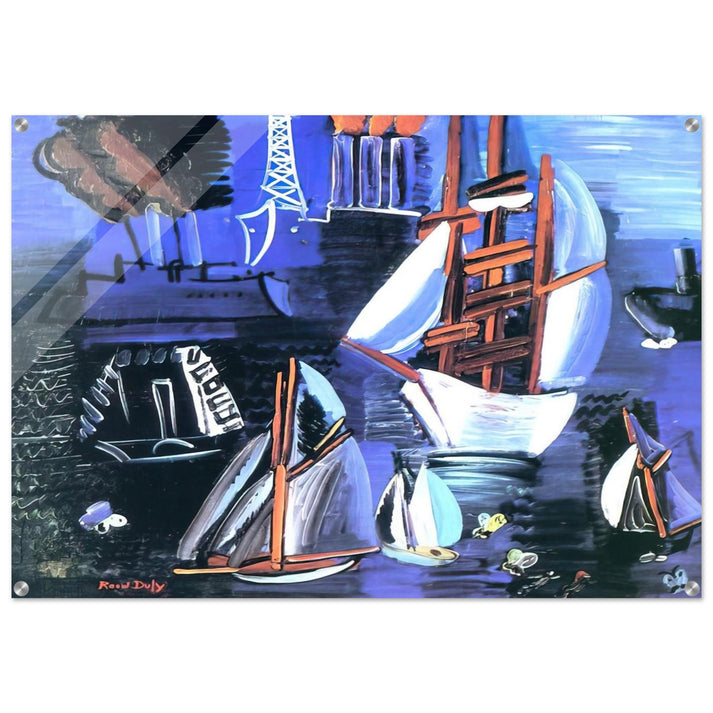
BOATS IN LE HAVRE 1926 - Raoul Dufy Acrylic Print - 70x100 cm / 28x40″ inches
BOATS IN LE HAVRE 1926 - Raoul Dufy Acrylic Print - 70x100 cm / 28x40″ inches
Δεν ήταν δυνατή η φόρτωση της διαθεσιμότητας παραλαβής
The Vibrant Maritime Vision of Raoul Dufy: Boats in Le Havre (1926)
Experience the rhythmic beauty of the French coast with Raoul Dufy’s Boats in Le Havre 1926. As a pioneer of the Fauvist movement, Dufy reimagined the harbor of his childhood with a revolutionary sense of color and light. This museum-quality reproduction captures the artist's signature 'stenographic' style, where fluid, calligraphic lines dance independently of vibrant color washes, creating a scene that feels both energetic and ethereal.
RedKalion brings this masterpiece to life using premium 4mm (0.15") acrylic glass. This medium is specifically chosen to enhance the luminosity of Dufy’s palette, providing a depth and brilliance that traditional canvas cannot match. The 70x100 cm format offers a grand window into the 1920s French avant-garde, making it a definitive statement piece for any sophisticated interior.
Archival Quality and Modern Craftsmanship
Our commitment to excellence ensures that this fine art print is more than a decoration; it is an enduring investment. The sleek, straight-cut corners provide a contemporary aesthetic, while our high-definition printing process ensures every brushstroke is rendered with historical accuracy. To ensure optimal presentation, any transparent elements in the original composition are defaulted to a crisp white background, allowing the primary subjects to pop with clarity.
- Material: 0.15" (4mm) high-grade acrylic for a vibrant, glass-like finish.
- Durability: Shatter-resistant and easy to clean for long-term preservation.
- Mounting: Includes a professional hanging kit with screws and pre-drilled holes.
- Design: Minimalist straight corners for a sleek, gallery-style profile.
Elevate your space with a work that bridges the gap between historical significance and modern luxury. At RedKalion, we curate archival-grade masterpieces designed to endure for generations.


Discover Unlimited Art Possibilities
At RedKalion, you can find virtually any artwork from any artist, available in a wide range of sizes to perfectly match your space.
If you didn’t find what you’re looking for, contact us at support@redkalion.com . We will source any artwork and produce it in any size and format you need, including art prints, posters, canvas, framed pieces, framed canvas, and more.
For dedicated art enthusiasts, we also offer handcrafted replicas of any artwork, carefully painted by highly skilled artists using traditional techniques.
For custom requests, contact us at support@redkalion.com .
What makes this Raoul Dufy acrylic print museum-quality?
RedKalion uses 4mm high-grade acrylic and archival inks to ensure maximum color vibrancy and depth. This process creates a shatter-resistant, museum-quality reproduction that mimics the luminosity of an original gallery piece.
How do I hang the Boats in Le Havre acrylic art?
Your print includes a professional hanging kit with screws. Each corner features a pre-drilled 8mm hole located 14mm from the edge, designed to fit the provided 15mm screw heads for a secure, flush mount.
Is the shipping for this 70x100 cm print secure?
Yes, RedKalion utilizes specialized protective packaging for large-format acrylic prints. We ship using premium carriers to ensure your artwork arrives in pristine condition, ready for immediate installation.
How long will this archival-grade reproduction last?
Our acrylic prints are UV-resistant and built to archival standards. When kept indoors away from direct, harsh environmental extremes, the print will retain its color integrity and clarity for decades.
What happens to transparent areas in the design?
To maintain visual impact and professional contrast, any transparent or translucent backgrounds in the artwork are defaulted to a solid white finish during the printing process.
What is the significance of Le Havre in Raoul Dufy's work?
Le Havre was Dufy’s birthplace and a lifelong inspiration. This 1926 piece represents his mature style, blending his Fauvist roots with a sophisticated, decorative modernism that celebrates the joy of maritime life.
How does Dufy's 'stenographic' style appear in this 1926 piece?
Dufy’s stenographic technique involves using rapid, shorthand-like lines to define shapes while allowing the vibrant colors to overlap or stand apart from the outlines, creating a sense of movement and spontaneity.