
Discover Unlimited Art Possibilities
At RedKalion, you can find virtually any artwork from any artist, available in a wide range of sizes to perfectly match your space.
If you didn’t find what you’re looking for, contact us at support@redkalion.com . We will source any artwork and produce it in any size and format you need, including art prints, posters, canvas, framed pieces, framed canvas, and more.
For dedicated art enthusiasts, we also offer handcrafted replicas of any artwork, carefully painted by highly skilled artists using traditional techniques.
For custom requests, contact us at support@redkalion.com .
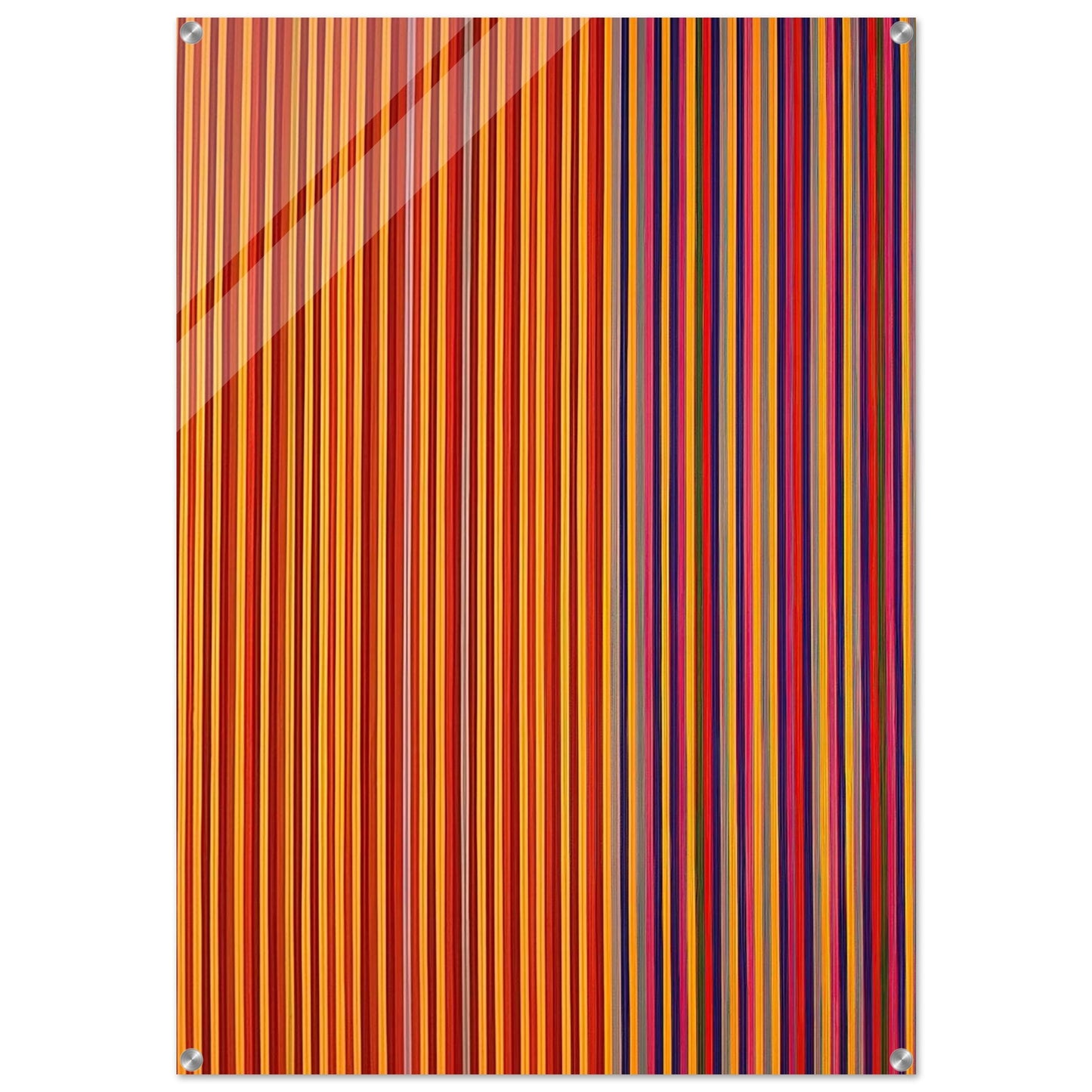
What is the artwork depicted in this Gene Davis acrylic print?
This is a museum-quality acrylic print reproduction of Gene Davis's iconic 1965 painting titled 'Equinox,' a quintessential example of his Color Field stripe art.
What are the material specifications for this Gene Davis print?
The artwork is printed on 4mm (0.15") thick acrylic, offering a sleek, vibrant, and durable finish with straight-cut corners for a contemporary look.
How is this Gene Davis wall art prepared for display?
Each print includes a complete hanging kit with hardware, screws, and precisely placed holes for secure and straightforward mounting on your wall.
What is the expected archival longevity of this acrylic print?
Utilizing archival-grade printing techniques and materials, this Gene Davis fine art print is designed for exceptional longevity and colorfastness, ensuring lasting visual appeal.
What are the dimensions of this Gene Davis reproduction?
This striking Gene Davis print measures 70x100 cm (28x40 inches), making it a significant statement piece for any art collection.
Who was Gene Davis and what is the significance of 'Equinox'?
Gene Davis was a key American abstract expressionist painter, influential in the Color Field movement, known for his vibrant stripe paintings. 'Equinox' is a prime example of his exploration of color's optical effects.
What is the Color Field movement Gene Davis was part of?
The Color Field movement, emerging in the late 1940s, emphasized large areas of flat, solid color, aiming to evoke contemplation and emotional responses from the viewer.