

RedKalion
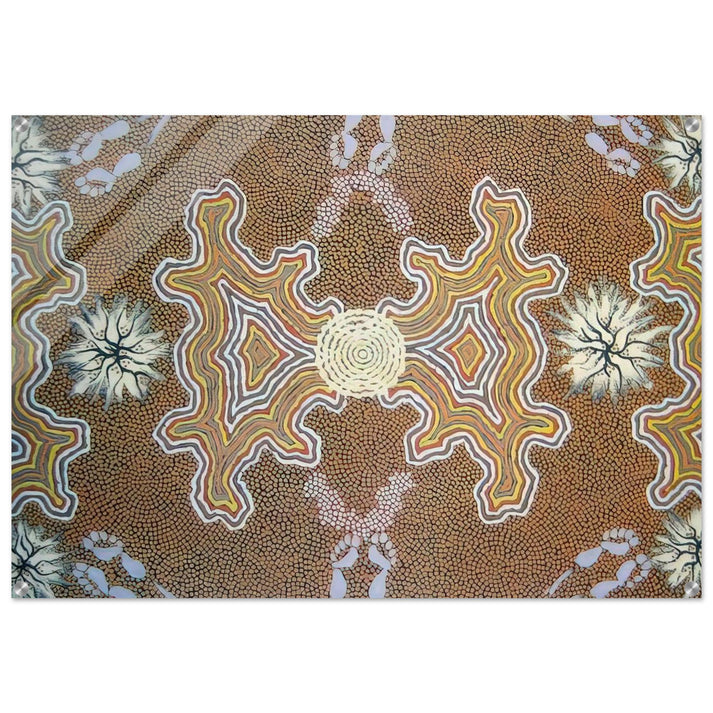
Men's Dreaming - 1994 - Clifford Possum Tjapaltjarri Acrylic Print - 70x100 cm / 28x40″ inches
Men's Dreaming - 1994 - Clifford Possum Tjapaltjarri Acrylic Print - 70x100 cm / 28x40″ inches
Δεν ήταν δυνατή η φόρτωση της διαθεσιμότητας παραλαβής
Men's Dreaming (1994) by Clifford Possum Tjapaltjarri - Museum-Quality Acrylic Print
Immerse yourself in the profound spiritual narrative of Men's Dreaming, a seminal 1994 work by the celebrated Aboriginal Australian artist Clifford Possum Tjapaltjarri. This acrylic print captures the intricate dot painting technique and vibrant palette that define the Western Desert art movement, offering a window into Indigenous Australian cosmology and the artist's deep connection to ancestral lands. Tjapaltjarri, a founding figure of the Papunya Tula art collective, masterfully encodes sacred stories through meticulous patterns, making this piece not just a visual marvel but a cultural artifact of immense significance.
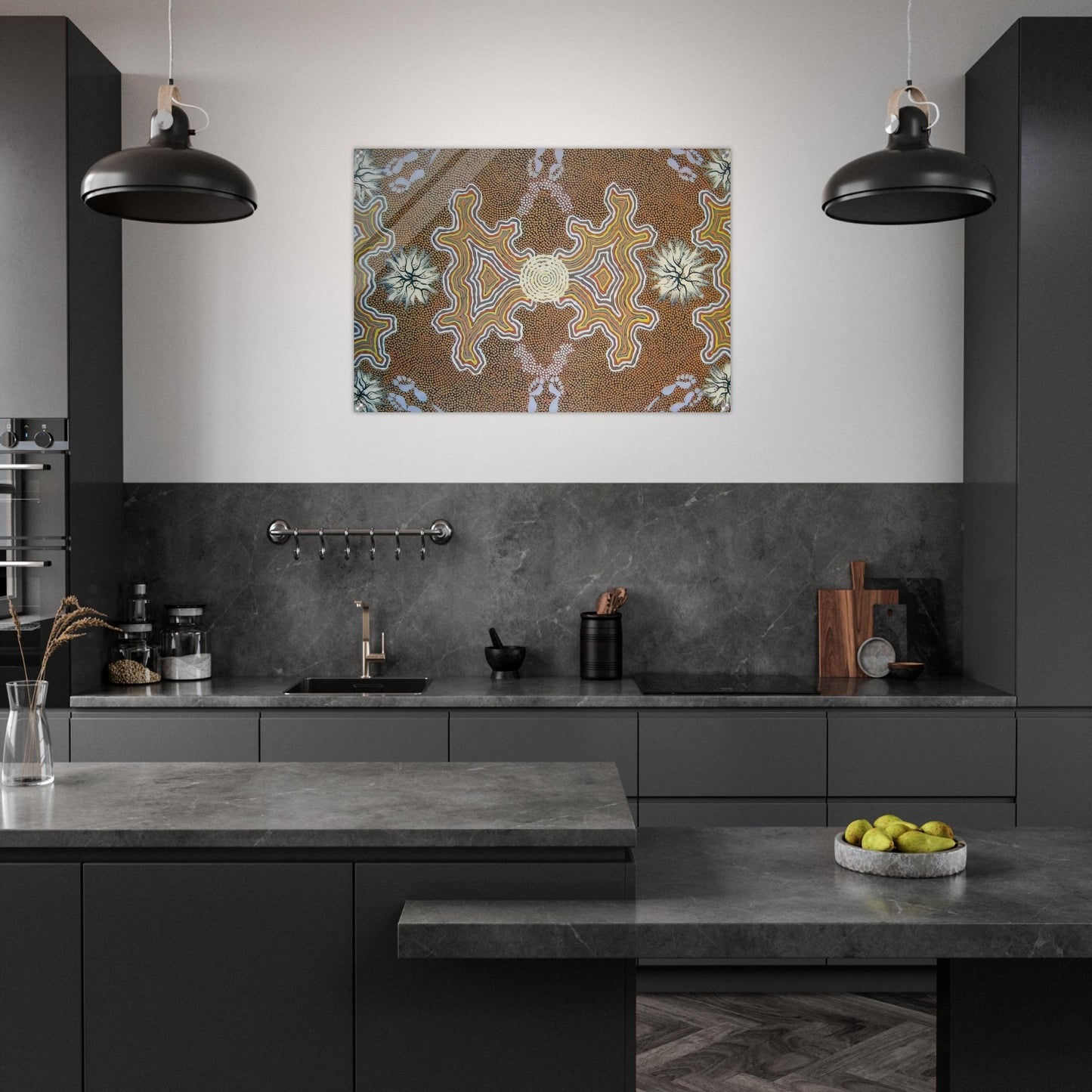
RedKalion presents this masterpiece as a premium 70x100 cm / 28x40″ acrylic print, crafted with archival-grade materials to ensure lasting brilliance. The 4mm (0.15") acrylic face provides a sleek, durable finish that enhances color vibrancy and resists fading, while straight-cut corners deliver a modern aesthetic. Transparent backgrounds are rendered in white for optimal presentation, and the piece includes a complete hanging kit with hardware, screws, and pre-drilled holes (14mm from the edge, 8mm diameter) for effortless installation. Elevate your space with an archival reproduction that honors Tjapaltjarri's legacy and brings the timeless beauty of Aboriginal art into your home or office.


Discover Unlimited Art Possibilities
At RedKalion, you can find virtually any artwork from any artist, available in a wide range of sizes to perfectly match your space.
If you didn’t find what you’re looking for, contact us at support@redkalion.com . We will source any artwork and produce it in any size and format you need, including art prints, posters, canvas, framed pieces, framed canvas, and more.
For dedicated art enthusiasts, we also offer handcrafted replicas of any artwork, carefully painted by highly skilled artists using traditional techniques.
For custom requests, contact us at support@redkalion.com .
What is the significance of Men's Dreaming by Clifford Possum Tjapaltjarri?
Men's Dreaming is a 1994 acrylic painting by Clifford Possum Tjapaltjarri, a key figure in Aboriginal Australian art. It depicts sacred ancestral stories through dot painting techniques, reflecting the Western Desert art movement and Indigenous spiritual connections to land.
What are the dimensions and material of this fine art print?
This museum-quality reproduction measures 70x100 cm / 28x40″ and is printed on 4mm (0.15") acrylic for a vibrant, durable finish with straight-cut corners and white background presentation.
How is the acrylic print mounted and hung?
It includes a hanging kit with hardware, screws, and pre-drilled screw holes at each corner (14mm from edge, 8mm diameter) for easy, secure installation in any modern interior.
Is this print archival and fade-resistant?
Yes, our premium acrylic prints use archival-grade materials to ensure long-lasting color vibrancy and resistance to fading, making it a durable investment for art collectors.
What shipping and handling options are available?
We offer secure, tracked shipping with protective packaging to ensure your Clifford Possum Tjapaltjarri print arrives in perfect condition, ready to display.
What artistic techniques did Clifford Possum Tjapaltjarri use in this work?
Tjapaltjarri employed traditional dot painting and intricate patterning to encode Dreamtime stories, characteristic of the Papunya Tula art collective's style from the 1970s onward.
How does this print compare to the original artwork?
This reproduction captures the vivid colors and detailed patterns of the original 1994 painting, using high-resolution imaging and acrylic printing for an authentic, museum-quality display.