
Discover Unlimited Art Possibilities
At RedKalion, you can find virtually any artwork from any artist, available in a wide range of sizes to perfectly match your space.
If you didn’t find what you’re looking for, contact us at support@redkalion.com . We will source any artwork and produce it in any size and format you need, including art prints, posters, canvas, framed pieces, framed canvas, and more.
For dedicated art enthusiasts, we also offer handcrafted replicas of any artwork, carefully painted by highly skilled artists using traditional techniques.
For custom requests, contact us at support@redkalion.com .
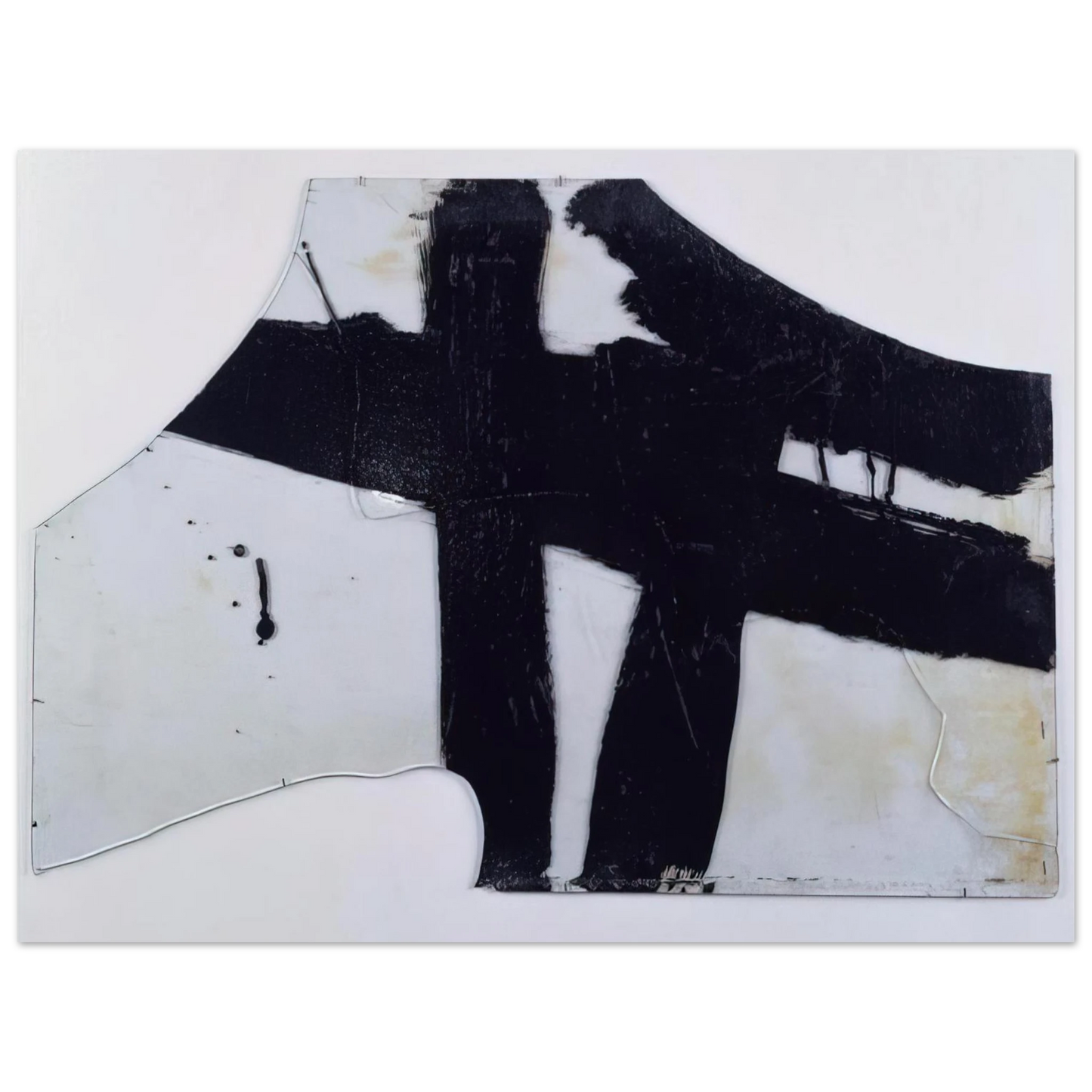
What is the historical significance of Pierre Soulages' Goudron sur verre?
Created in 1948, Goudron sur verre is a pivotal early work where Soulages used tar on glass, exploring abstraction and light—key themes in his career that later defined his "Outrenoir" series.
What are the dimensions of this fine art print?
This museum-quality reproduction measures 75x100 cm (30x40 inches), based on Soulages' original 45.5 x 76.5 cm artwork from 1948.
What type of paper is used for this archival print?
It's printed on Master's Edition archival paper, an acid-free, FSC-certified paper with a matte finish and natural white color for longevity and premium texture.
How durable is this art print against yellowing?
The acid-free paper (pH above 7) prevents yellowing over time, ensuring this fine art poster remains vibrant for generations as part of our archival collection.
What is the weight and thickness of the paper?
This high-quality paper weighs 250 gsm (110 lb) with a thickness of 0.29 mm (11.4 mils), offering a substantial, luxurious feel for your art display.
How is this print shipped and are there order minimums?
We print and ship on demand with no minimum orders, providing efficient fulfillment for this Pierre Soulages reproduction directly to your door.
Why did Soulages use tar in this artwork?
Soulages used tar on glass in Goudron sur verre to create raw, textured surfaces that manipulate light, reflecting his interest in materiality and abstract expressionism post-World War II.