Discover Unlimited Art Possibilities
At RedKalion, you can find virtually any artwork from any artist, available in a wide range of sizes to perfectly match your space.
If you didn’t find what you’re looking for, contact us at support@redkalion.com . We will source any artwork and produce it in any size and format you need, including art prints, posters, canvas, framed pieces, framed canvas, and more.
For dedicated art enthusiasts, we also offer handcrafted replicas of any artwork, carefully painted by highly skilled artists using traditional techniques.
For custom requests, contact us at support@redkalion.com .
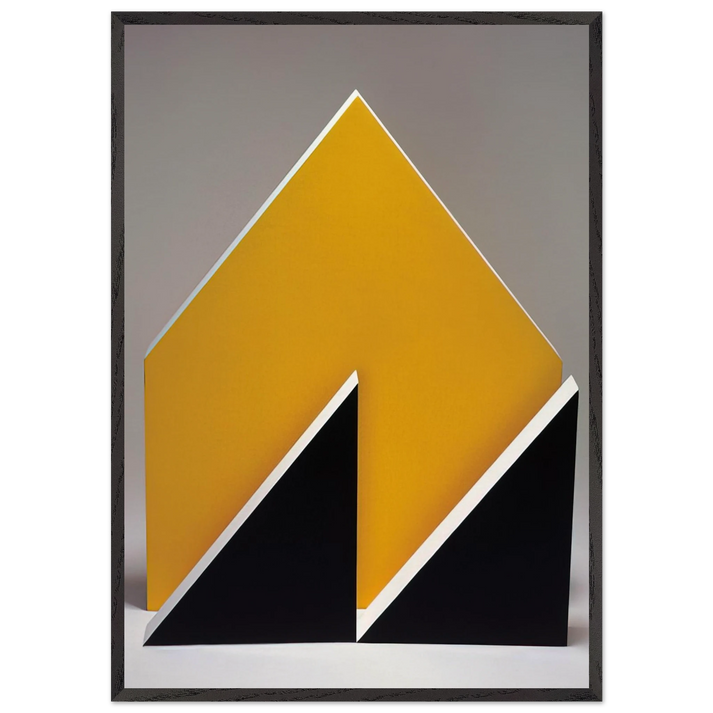
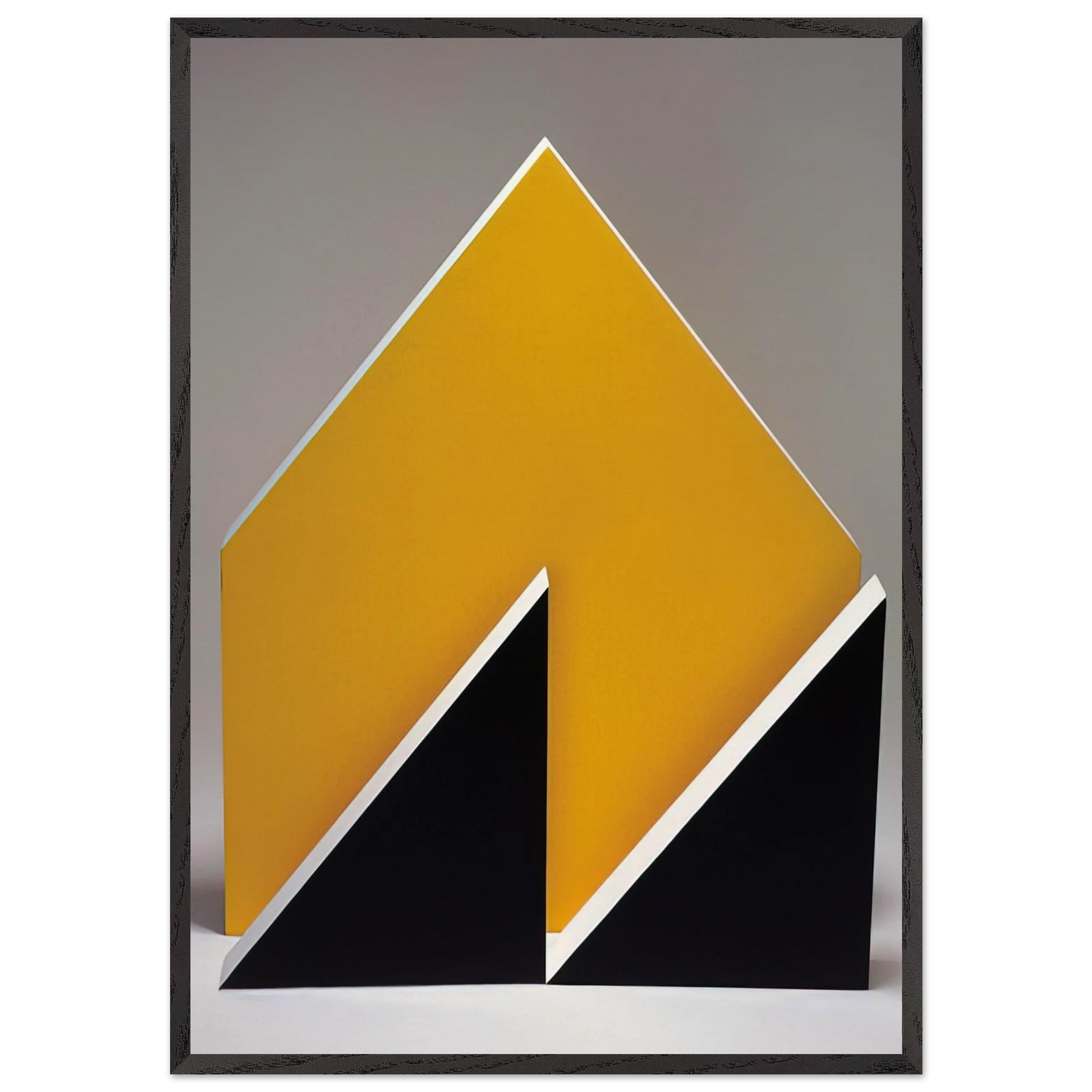
What is the significance of Lygia Pape's Sculpture Black and Yellow from 1965?
This artwork is a key example of Pape's Neo-Concrete style, emphasizing geometric abstraction and interactive art. It uses bold black and yellow to explore form and perception, reflecting her innovative contributions to Brazilian modern art.
How does the black wooden frame enhance this fine art print?
The frame is made from responsibly sourced oak and ash wood, measuring 20mm thick for a durable, gallery-quality presentation that complements the artwork's modern aesthetic.
What are the specifications of the archival museum-quality paper used?
The print uses 250 gsm (110 lb) matte, uncoated, natural white paper, which is FSC-certified for sustainability and ideal for high-resolution fine art reproductions.
Is this framed art print ready to hang?
Yes, it includes a hanging kit and is fully assembled, allowing for direct wall installation without additional framing needed.
How is the print protected in the frame?
It features shatterproof plexiglass that safeguards the artwork from damage while maintaining clear visibility and archival longevity.
What makes this a museum-quality reproduction?
RedKalion uses premium materials like 250 gsm archival paper and precise color matching to ensure this Lygia Pape print meets high standards for detail and durability.
Can you describe the Neo-Concrete movement associated with this artwork?
Neo-Concretism, active in 1950s-60s Brazil, focused on geometric forms, viewer participation, and breaking from traditional art boundaries, with Lygia Pape as a central figure.