Μετάβαση στις πληροφορίες προϊόντος
1 από 1

RedKalion

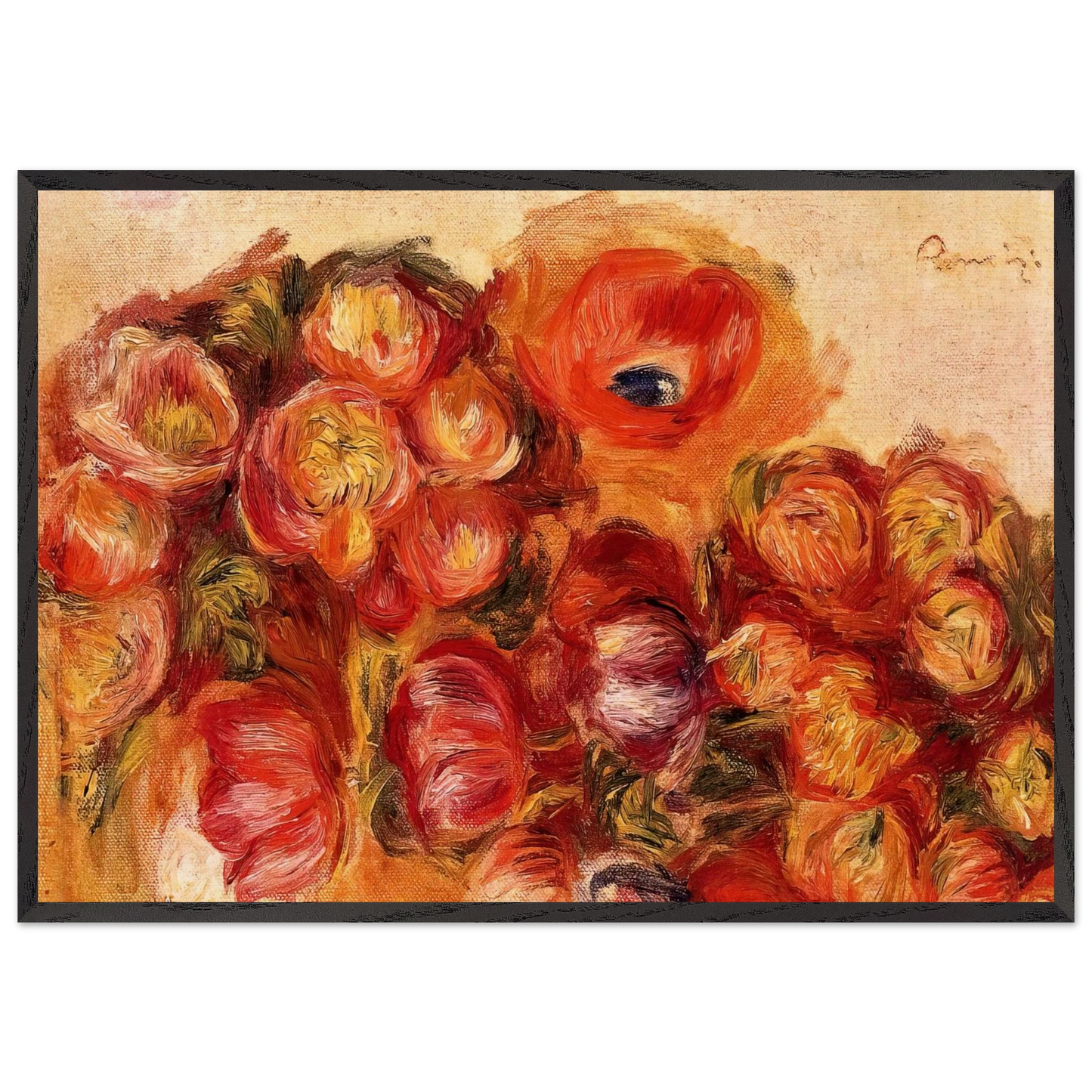
Study of Flowers Anemones and Tulips - Pierre-Auguste Renoir 70x100 cm / 28x40 inches Framed Art Print – Black Wooden Frame

Study of Flowers Anemones and Tulips - Pierre-Auguste Renoir 70x100 cm / 28x40 inches Framed Art Print – Black Wooden Frame

Κανονική τιμή $449.99 USD
Κανονική τιμή $999.99 USD Τιμή έκπτωσης $449.99 USD
Έκπτωση Εξαντλήθηκε
Ποσότητα

Study of Flowers Anemones and Tulips by Pierre-Auguste Renoir

Immerse yourself in the vibrant beauty of Pierre-Auguste Renoir's Study of Flowers Anemones and Tulips, a stunning fine art print that captures the essence of Impressionist floral artistry. This museum-quality reproduction brings Renoir's masterful brushwork and luminous color palette into your home, offering a timeless piece that evokes joy, serenity, and the fleeting beauty of nature.

Renoir, a leading figure of the Impressionist movement, created this study in the late 19th century, a period when artists like him sought to capture light and atmosphere with loose, expressive strokes. The anemones and tulips in this composition are rendered with a delicate touch, showcasing Renoir's expertise in blending soft hues and dynamic textures to create a sense of life and movement. This work reflects his fascination with everyday subjects, transforming a simple bouquet into a celebration of color and form.

At RedKalion, we pride ourselves on curating archival-grade reproductions that honor the original artistry. This framed art print measures 70x100 cm / 28x40 inches and is presented in a sleek black wooden frame crafted from responsibly sourced oak and ash wood. The frame features a substantial 20mm (0.79") thickness, wider than classic 14mm frames, providing a bold, modern accent that enhances the artwork's visual impact.

The print itself is produced on 250 gsm (110 lb) archival museum-quality paper with a matte, uncoated, natural white finish and a thickness of 0.29 mm (11.4 mils), ideal for fine art reproductions. We use FSC-certified sustainable materials to ensure environmental responsibility. For protection, the artwork is shielded by shatterproof plexiglass, safeguarding it from damage while maintaining clarity. This piece is ready-to-hang, complete with a hanging kit for effortless installation.

Elevate your space with this premium reproduction from RedKalion, where expertise in art history meets uncompromising quality in every detail.

Προβολή όλων των λεπτομερειών

Discover Unlimited Art Possibilities

At RedKalion, you can find virtually any artwork from any artist, available in a wide range of sizes to perfectly match your space.

If you didn’t find what you’re looking for, contact us at support@redkalion.com . We will source any artwork and produce it in any size and format you need, including art prints, posters, canvas, framed pieces, framed canvas, and more.


For dedicated art enthusiasts, we also offer handcrafted replicas of any artwork, carefully painted by highly skilled artists using traditional techniques.

For custom requests, contact us at support@redkalion.com .

What are the dimensions of this framed art print?

This framed art print measures 70x100 cm / 28x40 inches, including the black wooden frame, making it a statement piece for any room.

What type of paper is used for this fine art print?

We use 250 gsm (110 lb) archival museum-quality paper with a matte, uncoated, natural white finish and 0.29 mm (11.4 mils) thickness for optimal durability and color fidelity.

Is this print ready to hang?

Yes, this framed art print includes a hanging kit and is ready-to-hang directly on your wall for immediate display.

How is the print protected in the frame?

The print is protected by shatterproof plexiglass, which safeguards it from damage while ensuring clear visibility and archival longevity.

What materials are used in the frame?

The black wooden frame is made from responsibly sourced oak and ash wood, with a 20mm (0.79") thickness for a sturdy, modern look.

What is the historical significance of Renoir's Study of Flowers Anemones and Tulips?

Created in the late 19th century, this work exemplifies Renoir's Impressionist style, focusing on light, color, and everyday beauty to capture the ephemeral nature of floral subjects.

How does Renoir's technique enhance the depiction of anemones and tulips in this study?

Renoir used loose, expressive brushstrokes and a vibrant palette to create texture and movement, making the anemones and tulips appear lifelike and dynamic in this fine art print.