
RedKalion
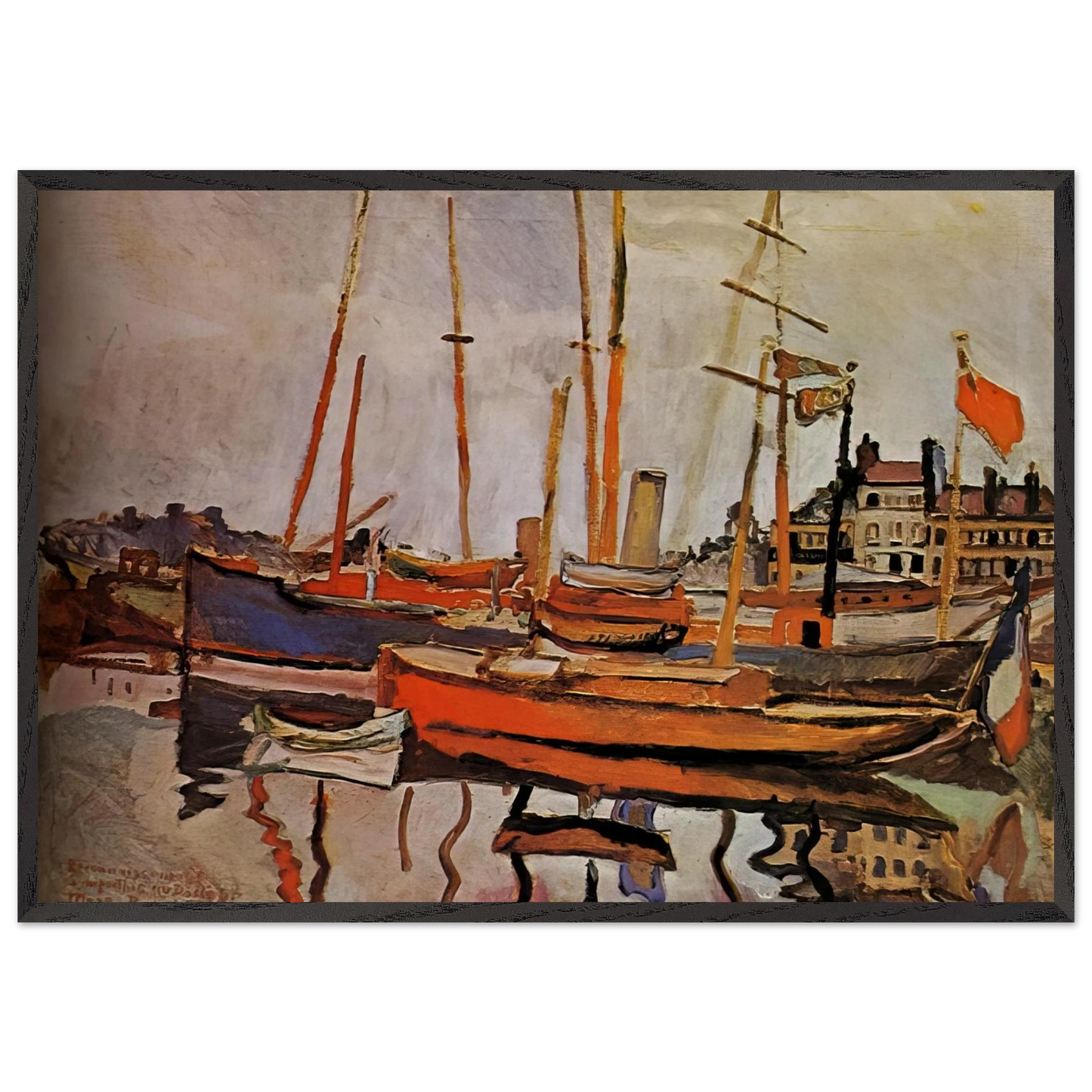
THE PORT OF LE HAVRE 1906 - Raoul Dufy 70x100 cm / 28x40 inches Framed Art Print – Black Wooden Frame
THE PORT OF LE HAVRE 1906 - Raoul Dufy 70x100 cm / 28x40 inches Framed Art Print – Black Wooden Frame
Δεν ήταν δυνατή η φόρτωση της διαθεσιμότητας παραλαβής
The Port of Le Havre 1906 - Raoul Dufy: A Fauvist Masterpiece in Premium Framed Print
Elevate your space with Raoul Dufy's vibrant "The Port of Le Havre 1906", now available as a museum-quality reproduction from RedKalion. This fine art print captures the essence of the Fauvist movement, where Dufy's bold, expressive brushstrokes and vivid palette transform the bustling French harbor into a symphony of color and light. The artwork reflects the early 20th-century avant-garde spirit, evoking a sense of joyous energy and modernist innovation—perfect for adding a touch of historical elegance to any room.
Our archival-grade print is meticulously crafted on 250 gsm (110 lb) matte, uncoated, natural white paper with a thickness of 0.29 mm (11.4 mils), ensuring durability and a premium tactile feel. The shatterproof plexiglass provides superior protection against damage, while the responsibly sourced oak and ash wood frame, measuring 20mm (0.79") thick and wide, offers a sturdy, wider profile than classic frames for enhanced visual impact. This 70x100 cm / 28x40 inches framed art print comes ready-to-hang with a hanging kit included, making it effortless to display. Crafted with FSC-certified materials or equivalent, this piece combines artistic heritage with sustainable practices.
As an elite curator of fine art reproductions, RedKalion ensures every detail—from Dufy's dynamic composition to our archival museum-quality paper—meets the highest standards. Invest in a timeless masterpiece that endures, bringing the vibrant history of Le Havre into your home or office.
Discover Unlimited Art Possibilities
At RedKalion, you can find virtually any artwork from any artist, available in a wide range of sizes to perfectly match your space.
If you didn’t find what you’re looking for, contact us at support@redkalion.com . We will source any artwork and produce it in any size and format you need, including art prints, posters, canvas, framed pieces, framed canvas, and more.
For dedicated art enthusiasts, we also offer handcrafted replicas of any artwork, carefully painted by highly skilled artists using traditional techniques.
For custom requests, contact us at support@redkalion.com .
What are the dimensions and framing details of this Raoul Dufy print?
This framed art print measures 70x100 cm (28x40 inches) with a 20mm thick black wooden frame made from responsibly sourced oak and ash wood, wider than standard frames for a bold display.
What type of paper is used for this museum-quality reproduction?
It features 250 gsm (110 lb) matte, uncoated, natural white archival museum-quality paper with a thickness of 0.29 mm (11.4 mils), ideal for fine art prints and long-lasting durability.
Is this print ready to hang, and what protection does it include?
Yes, it comes ready-to-hang with a hanging kit and is protected by shatterproof plexiglass to safeguard the artwork from damage.
How sustainable are the materials in this framed art print?
We use FSC-certified materials or equivalent for sustainable paper and responsibly sourced wood, ensuring eco-friendly fine art reproductions.
What is the historical significance of "The Port of Le Havre 1906" by Raoul Dufy?
This artwork is a key example of the Fauvist movement, showcasing Dufy's use of bold colors and expressive techniques to depict the bustling French port in the early 20th century.
How does Raoul Dufy's style in this piece reflect the Fauvist era?
Dufy employs vibrant, non-naturalistic colors and loose brushwork, characteristic of Fauvism, to evoke energy and modernity in this harbor scene.
What makes this print archival and long-lasting?
The combination of 250 gsm archival museum-quality paper and shatterproof plexiglass ensures resistance to fading and damage, preserving the fine art print for years.