


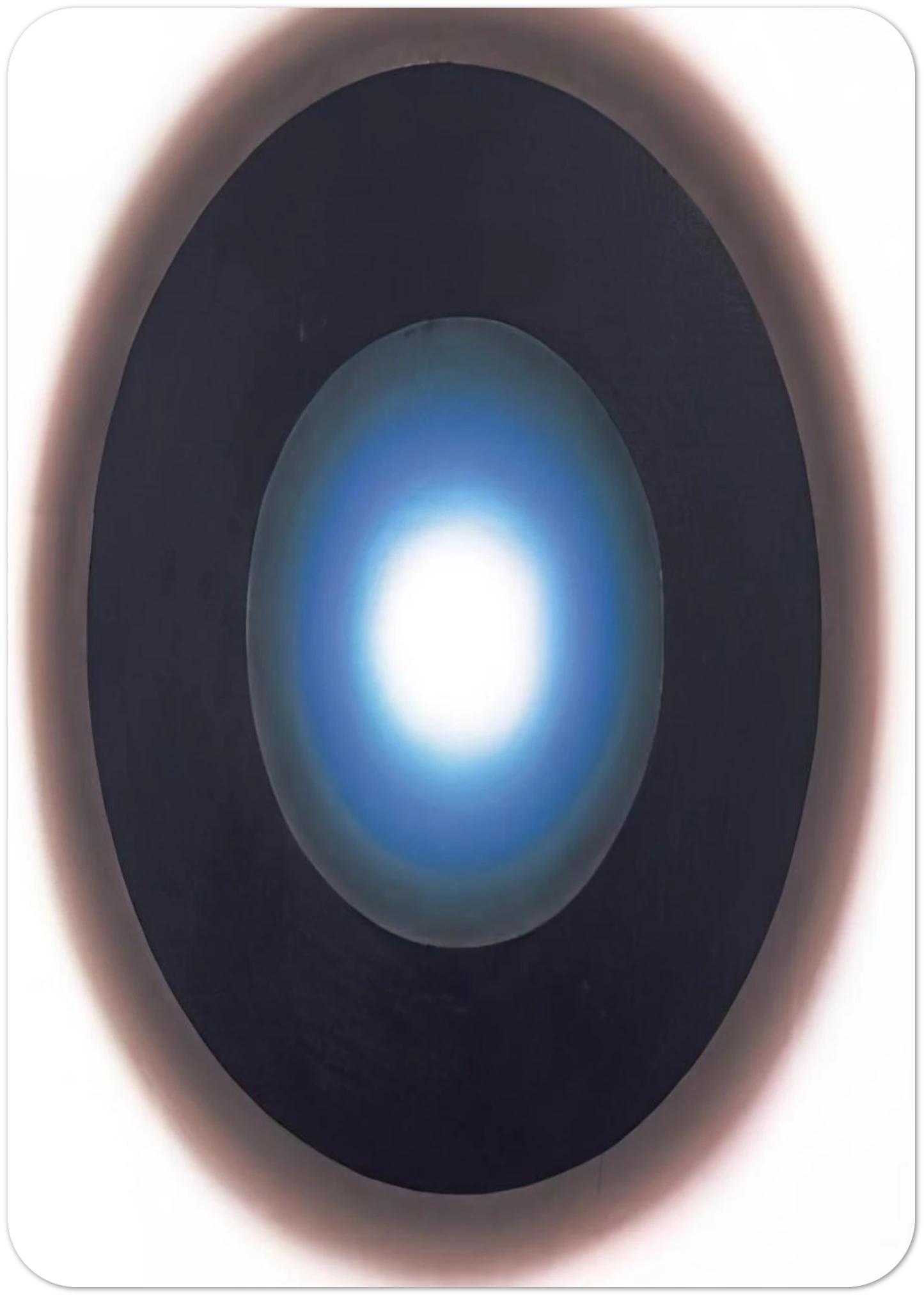
Discover Unlimited Art Possibilities
At RedKalion, you can find virtually any artwork from any artist, available in a wide range of sizes to perfectly match your space.
If you didn’t find what you’re looking for, contact us at support@redkalion.com . We will source any artwork and produce it in any size and format you need, including art prints, posters, canvas, framed pieces, framed canvas, and more.
For dedicated art enthusiasts, we also offer handcrafted replicas of any artwork, carefully painted by highly skilled artists using traditional techniques.
For custom requests, contact us at support@redkalion.com .
How does the 12-color printing affect the quality of Fangor’s artwork?
Our 12-color fine art printing captures the complex color gradients and soft edges of Wojciech Fangor’s work with precision far exceeding standard inkjet prints, ensuring museum-quality color accuracy and depth.
What are the physical dimensions and weight of these postcards?
Each A6 postcard (4.1 x 5.8 inches) is printed on heavy 200 gsm (80 lb) paper with a thickness of 0.26 mm, providing a premium, durable feel for mailing or display.
Are the materials used for these postcards eco-friendly?
Yes, all RedKalion postcards are printed on FSC-certified paper, ensuring that the materials are sourced from responsibly managed forests that provide environmental, social, and economic benefits.
How long does shipping take for on-demand prints?
As these are printed on demand to minimize waste, orders are typically processed within 2-4 business days before being shipped via our trusted logistics partners to your destination.
Will the colors fade over time?
No. We use archival-grade inks and a smooth matte finish designed for longevity, ensuring that the vibrant colors of #14 - 1964 remain vivid for decades without fading.
What is the significance of Wojciech Fangor’s 1964 period?
In 1964, Fangor was at the height of his international acclaim, eventually becoming the only Polish artist to have a solo exhibition at the Solomon R. Guggenheim Museum in 1970.
Why does the artwork appear to move or vibrate?
Fangor utilized a technique of blurred edges and specific color juxtapositions to trigger a physiological reaction in the viewer's eye, a hallmark of the 1960s Op Art movement.