
Discover Unlimited Art Possibilities
At RedKalion, you can find virtually any artwork from any artist, available in a wide range of sizes to perfectly match your space.
If you didn’t find what you’re looking for, contact us at support@redkalion.com . We will source any artwork and produce it in any size and format you need, including art prints, posters, canvas, framed pieces, framed canvas, and more.
For dedicated art enthusiasts, we also offer handcrafted replicas of any artwork, carefully painted by highly skilled artists using traditional techniques.
For custom requests, contact us at support@redkalion.com .
What makes RedKalion’s 12-color printing superior?
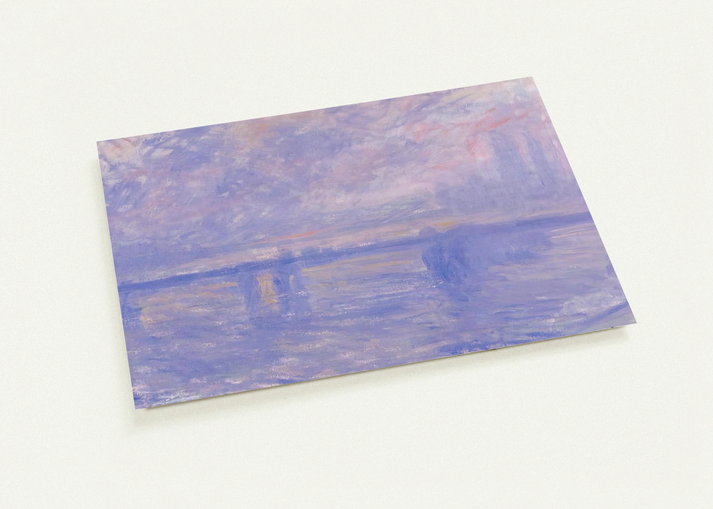
Our 12-color fine art printing offers a broader color spectrum than standard 4-color inkjet processes. This ensures the vividness and subtle tonal gradations of Monet’s original work are accurately captured on every postcard.
What is the weight and feel of the postcard paper?
Each card is printed on high-quality 200 gsm (80 lb) paper with a thickness of 0.26 mm. The smooth matte finish provides a premium, glare-free texture that is substantial to the touch.
Is the paper used for these postcards environmentally friendly?
Yes, we prioritize sustainability. These postcards are printed on FSC-certified paper, which supports responsible forestry practices and ensures your fine art print is eco-conscious.
How are the postcards packaged and shipped?
Our postcards are printed on demand to ensure quality control and reduce waste. They are carefully packaged as a set of 10 to reach you in pristine, museum-ready condition.
Can these postcards be framed as miniature art prints?
Absolutely. Due to the 12-color archival printing and high paper weight, these A6 postcards serve as excellent museum-quality miniature prints suitable for small frames or gallery walls.
When did Claude Monet paint the Charing Cross Bridge series?
Monet worked on his London series, including Charing Cross Bridge, between 1899 and 1904, often refining the atmospheric effects from his studio in Giverny after his visits.
Why did Monet paint the same bridge multiple times?
Monet was fascinated by the way light, weather, and the 'London fog' transformed the same subject. He painted multiple versions to capture the fleeting, ephemeral moments of different times of day.