RedKalion
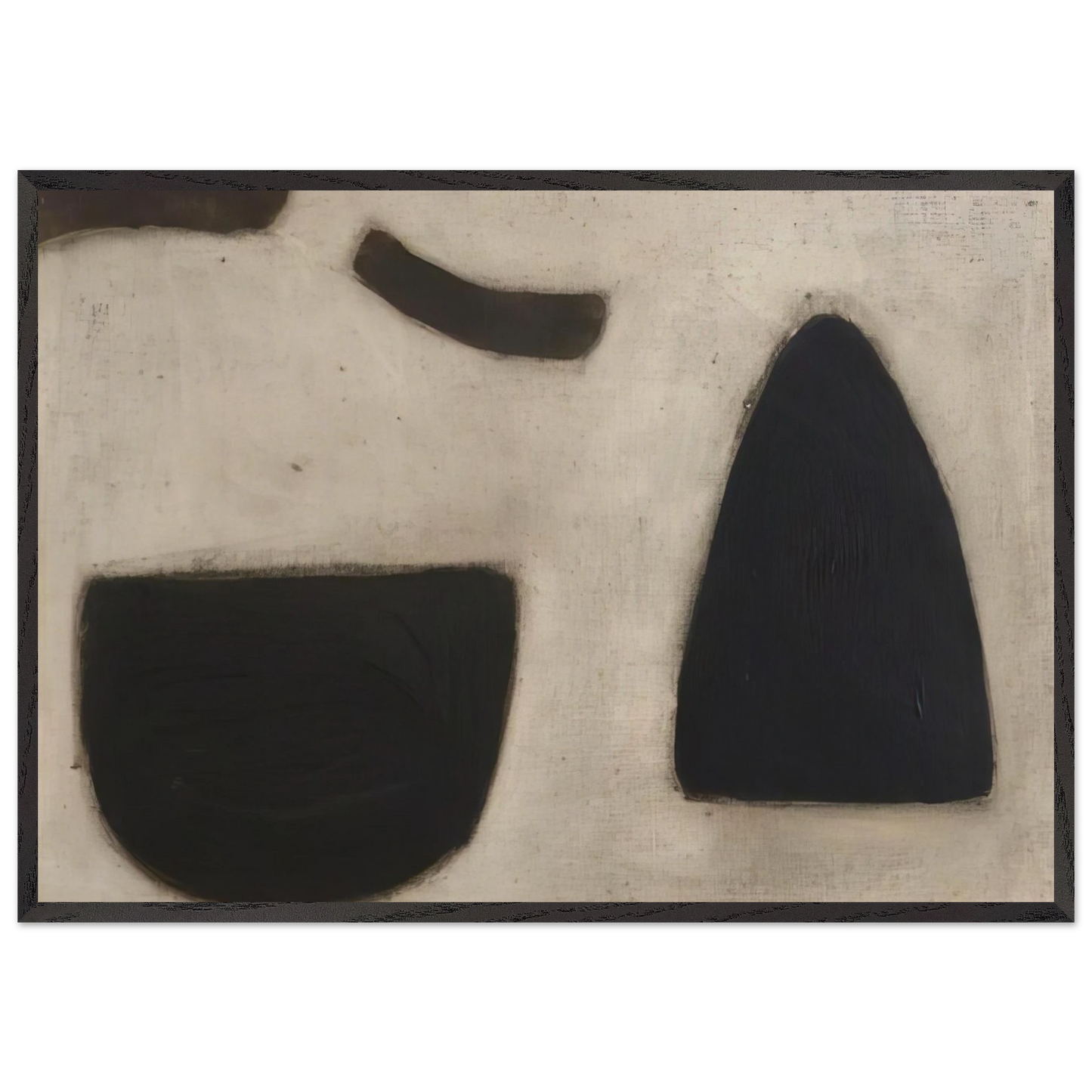
Mensaje oscuro I - 1965 - William Scott 70x100 cm / 28x40 pulgadas Lámina enmarcada - Marco de madera negro
Mensaje oscuro I - 1965 - William Scott 70x100 cm / 28x40 pulgadas Lámina enmarcada - Marco de madera negro
No se pudo cargar la disponibilidad de retiro
Nuestros marcos de madera premium, elaborados con roble o fresno de origen responsable, presentan vetas únicas que les aportan carácter. Los pósteres están impresos en papel de edición maestra, de calidad museística, de color blanquecino, sin estucar, ideal para quienes buscan una calidad excepcional.
- Listo para colgar: Incluye kit para colgar, listo para colgar directamente en la pared.
- Material del marco: Madera de roble y fresno de origen responsable.
- Medidas del marco: 20 mm (0,79") de grosor y ancho, más ancho que el marco clásico de 14 mm (0,55").
- Gramaje del papel: 250 g/m² (110 lb), grosor: 0,29 mm (11,4 milésimas de pulgada), ideal para bellas artes.
- Acabado del papel: Papel mate, sin recubrimiento, blanco natural, de calidad de museo.
- Protección: El plexiglás irrompible protege el cartel.
- Papel sostenible: materiales con certificación FSC o equivalente.
- Tamaños disponibles: 15 tamaños en pulgadas (EE. UU. y Canadá) y cm (resto del mundo).
Sin pedidos mínimos, impreso y enviado bajo demanda.
Más obras de WILLIAM SCOTT
Naturaleza muerta gris - 1969 - Lámina enmarcada de William Scott - Marco de madera negro
Mensaje oscuro I - 1965 - Lámina enmarcada de William Scott - Marco de madera negro
Marrón y negro - 1960 - Lámina enmarcada de William Scott - Marco de madera negro
Naranja, blanco y negro - 1960 - Lámina enmarcada de William Scott - Marco de madera negro
Azul sobre azul - 1967 - Lámina enmarcada de William Scott - Marco de madera negro
Naturaleza muerta en la cocina - 1948 - Lámina enmarcada de William Scott - Marco de madera negro
Berlin Blues 4 - 1965 - Lámina enmarcada de William Scott - Marco de madera negro
Arena blanca y ocre - 1961 - Lámina enmarcada de William Scott - Marco de madera negro
Botella y rebanada de pescado - 1949 - Lámina enmarcada de William Scott - Marco de madera negro
Cinco peras - 1976 - Lámina enmarcada de William Scott - Marco de madera negro
Cuenco blanco sobre gris - 1962 - Lámina enmarcada de William Scott - Marco de madera negro
Poema para una jarra n.º 4 - 1980 - Lámina enmarcada de William Scott - Marco de madera negro
Full House - 1963 - Lámina enmarcada de William Scott - Marco de madera negro
Forma azul sobre blanco - 1964 - Lámina enmarcada de William Scott - Marco de madera negro
Berlin Blues 6 - 1966 - Lámina enmarcada de William Scott - Marco de madera negro
Composición en azul y negro - 1959 - Lámina enmarcada de William Scott - Marco de madera negro
Naturaleza muerta con taza blanca - 1957 - Lámina enmarcada de William Scott - Marco de madera negro
Abstracto azul - 1959 - Lámina enmarcada de William Scott - Marco de madera negro
Cuadro - 1959 - Impresión artística enmarcada de William Scott - Marco de madera negro
Naturaleza muerta azul - 1957 - Lámina enmarcada de William Scott - Marco de madera negro
Ángulo - 1963 - Lámina enmarcada de William Scott - Marco de madera negro
Naturaleza muerta invernal - 1956 - Lámina enmarcada de William Scott - Marco de madera negro
Naturaleza muerta marrón - 1957 - Lámina enmarcada de William Scott - Marco de madera negro
Sennen - 1950 - Lámina enmarcada de William Scott - Marco de madera negro
Naturaleza muerta - 1949 - Lámina enmarcada de William Scott - Marco de madera negro
Mañana en Mykonos - 1960 - Lámina enmarcada de William Scott - Marco de madera negro
Marrón oscuro, naranja y blanco - 1963 - Lámina enmarcada de William Scott - Marco de madera negro
Naranja y blanco - 1962 - Lámina enmarcada de William Scott - Marco de madera negro
Puerto de Cornualles - 1951 - Lámina enmarcada de William Scott - Marco de madera negro
Seis formas abiertas - 1971 - Lámina enmarcada de William Scott - Marco de madera negro
Sartén y cesta - 1948 - Lámina enmarcada de William Scott - Marco de madera negro
La sartén - 1946 - Lámina enmarcada de William Scott - Marco de madera negro
Naranja y rojo - 1957 - Lámina enmarcada de William Scott - Marco de madera negro
Compartir