


RedKalion
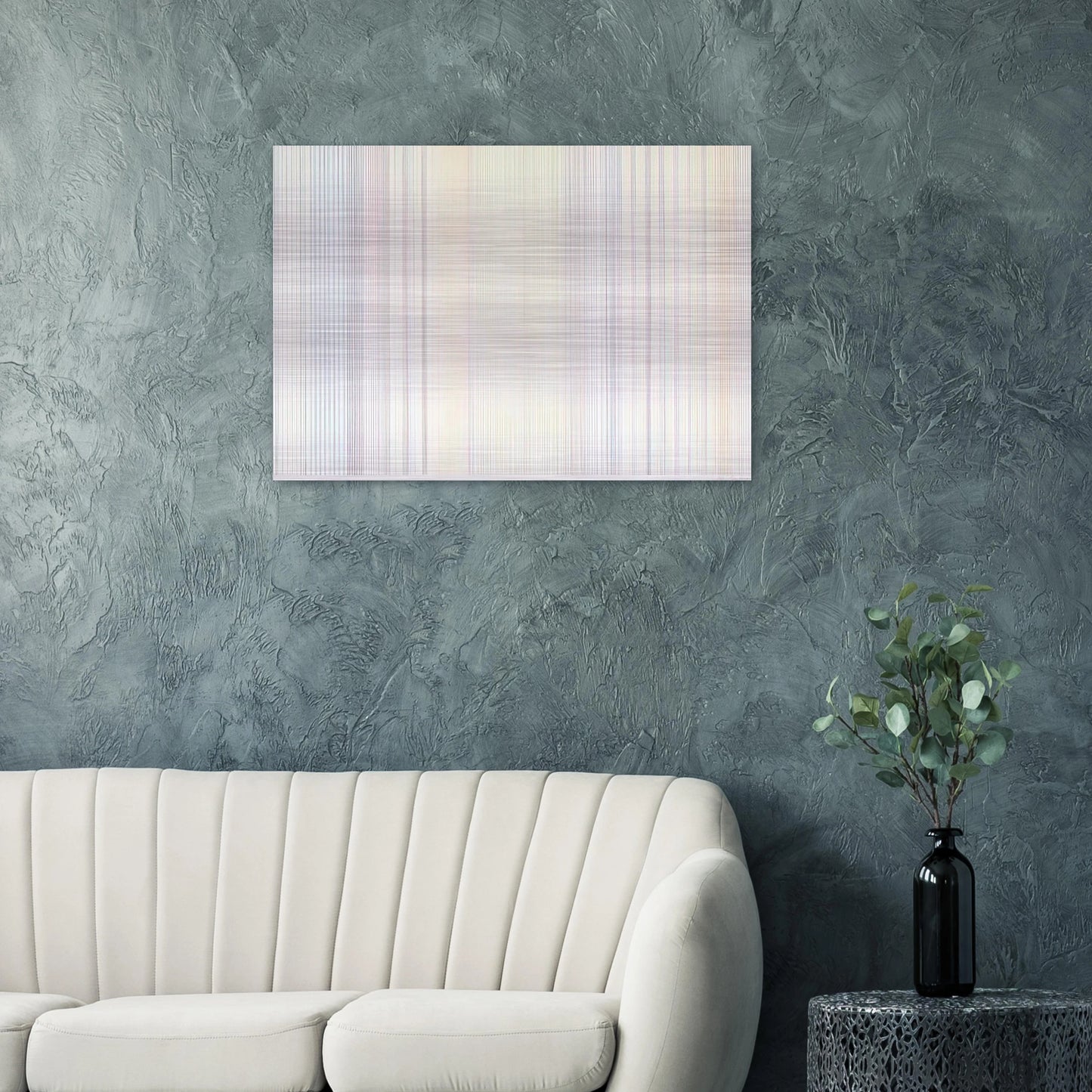
Albatross - 1973 - Gene Davis Brushed Aluminum Print - 70x100 cm / 28x40 inches | Gene Davis Aluminum Print | Gene Davis Prints
Albatross - 1973 - Gene Davis Brushed Aluminum Print - 70x100 cm / 28x40 inches | Gene Davis Aluminum Print | Gene Davis Prints
Couldn't load pickup availability
Elevate Your Space with Gene Davis's Rhythmic Masterpiece: "Albatross" (1973)
Experience the mesmerizing verticality of Gene Davis, a luminary of the Washington Color School, with this museum-quality reproduction of his 1973 work, Albatross. Known for his pioneering use of the stripe motif, Davis transformed the canvas into a rhythmic exploration of color and interval. This specific piece captures the artist at the height of his career, balancing vibrant chromatic relationships with a structural precision that commands any interior space.
The RedKalion Archival Difference: Brushed Aluminum DIBOND®
At RedKalion, we believe fine art prints should be as enduring as the masterpieces they depict. This Gene Davis aluminum print is crafted on premium 3mm (0.12") brushed silver Aluminum DIBOND®, offering a sophisticated, industrial-chic aesthetic. The unique horizontal grain of the brushed silver finish provides a dynamic, shimmering quality, where unprinted white areas reveal the raw metallic texture for a striking visual effect.
Technical Precision & Aesthetic Brilliance
Our direct-to-surface printing process ensures vivid colors and a refined matte finish. This glare-free surface is particularly suited for high-light environments, allowing the intricate color transitions of Albatross to be seen clearly from any angle without distracting reflections. This archival-grade reproduction is not just a print; it is a rigid, durable piece of contemporary decor that bridges the gap between mid-century modernism and industrial design.
- Material: Authentic Aluminum DIBOND® with a brushed silver metallic finish.
- Durability: 3mm thickness for a rigid, warp-resistant base.
- Finish: Sophisticated matte, glare-free texture with visible horizontal grain.
- Mounting: Includes a professional hanging kit tailored to your fulfillment location.
Transform your gallery wall or office with an archival masterpiece that reflects both the historical significance of the Washington Color School and the pinnacle of modern printing technology.


Discover Unlimited Art Possibilities
At RedKalion, you can find virtually any artwork from any artist, available in a wide range of sizes to perfectly match your space.
If you didn’t find what you’re looking for, contact us at support@redkalion.com . We will source any artwork and produce it in any size and format you need, including art prints, posters, canvas, framed pieces, framed canvas, and more.
For dedicated art enthusiasts, we also offer handcrafted replicas of any artwork, carefully painted by highly skilled artists using traditional techniques.
For custom requests, contact us at support@redkalion.com .
How is the Albatross print ready for display?
Each Gene Davis print arrives with a professional hanging kit included. The specific hardware varies by fulfillment country to ensure the most secure and appropriate mounting solution for your 70x100 cm aluminum piece.
What are the physical properties of Aluminum DIBOND®?
Aluminum DIBOND® is a high-strength, lightweight material consisting of two aluminum layers sandwiching a polyethylene core. At 3mm thick, it provides a rigid, durable, and archival-grade base for museum-quality fine art reproductions.
How does the brushed silver finish impact the artwork?
The brushed silver finish features a visible horizontal grain. In the printing process, white areas remain unprinted, allowing the metallic silver texture to shine through, creating a dynamic interplay between the art and the material.
Is the print finish matte or glossy?
This reproduction features a sophisticated matte, glare-free finish. This makes it ideal for rooms with large windows or heavy overhead lighting, as it prevents reflections from obscuring the color field details.
How is the artwork protected during shipping?
RedKalion utilizes specialized, heavy-duty packaging designed specifically for large-format aluminum prints. We ensure secure global transit to maintain the integrity of the 70x100 cm archival-grade panel during delivery.
Who was Gene Davis and why is his work significant?
Gene Davis was a central figure in the Washington Color School. His stripe paintings, like the 1973 Albatross, revolutionized Color Field painting by using repetitive vertical lines to explore rhythm, scale, and optical perception.
What inspired the rhythmic style of Albatross (1973)?
Davis was often inspired by the structure of jazz music. Albatross reflects this through its "intervals" of color, where the width and placement of stripes create a visual cadence similar to a musical composition.