
RedKalion
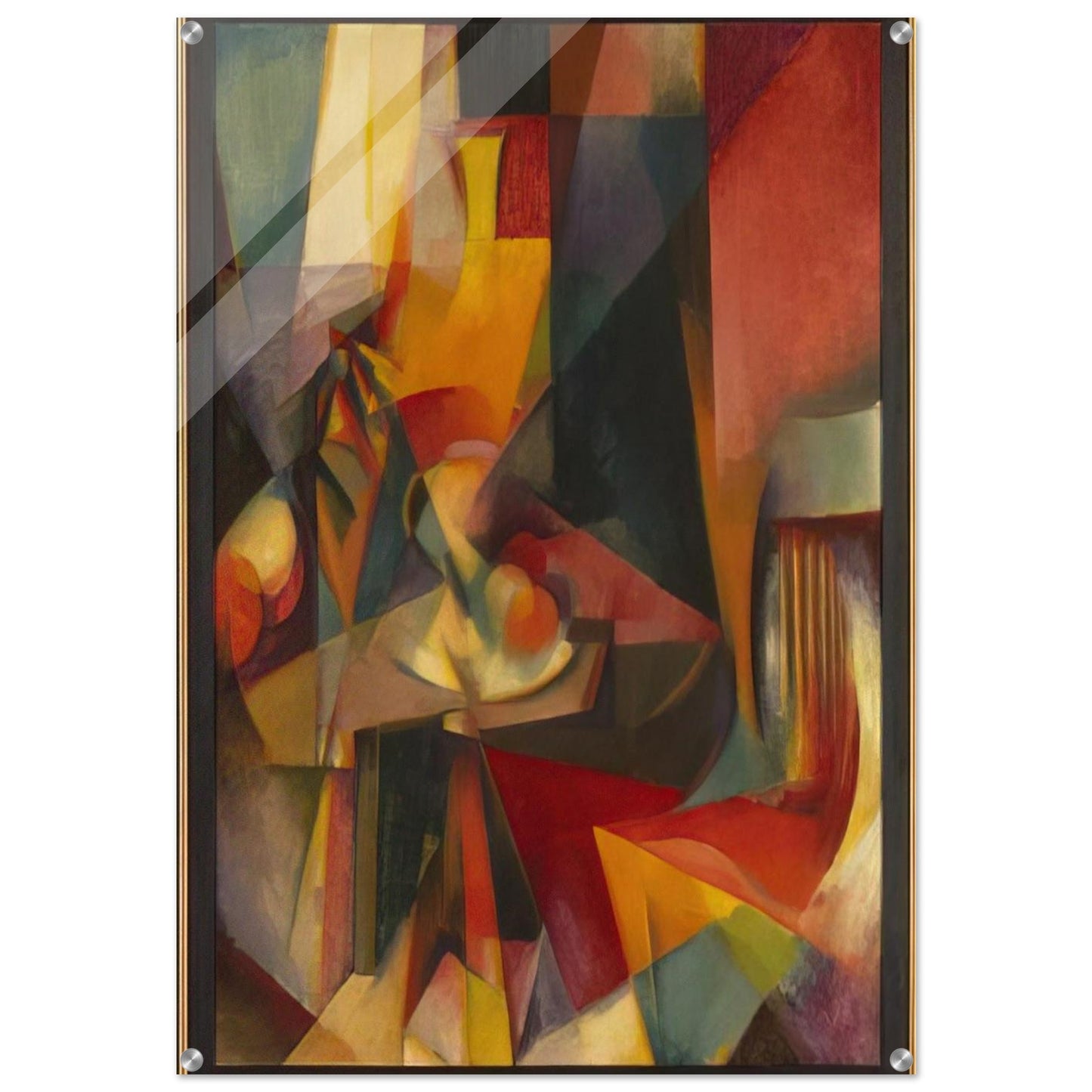
Synchromy No. 3 - Synchromism - Morgan Russell Acrylic Print - 70x100 cm / 28x40″ inches | Morgan Russell Wall Art | Morgan Russell Prints
Synchromy No. 3 - Synchromism - Morgan Russell Acrylic Print - 70x100 cm / 28x40″ inches | Morgan Russell Wall Art | Morgan Russell Prints
Couldn't load pickup availability
Synchromy No. 3: A Vibrant Masterpiece of Synchromism by Morgan Russell
Elevate your space with Morgan Russell's Synchromy No. 3, a defining work of the Synchromism movement that revolutionized early 20th-century art. This museum-quality reproduction captures the artist's pioneering use of color harmonies to evoke musical rhythms, creating a dynamic visual symphony of abstract forms. Russell, alongside Stanton Macdonald-Wright, developed Synchromism as America's first avant-garde abstract art style, emphasizing pure color as the primary means of expression. Our fine art print faithfully reproduces the vibrant palette and fluid composition, allowing you to own a piece of art history that radiates energy and innovation.
This premium acrylic print is crafted with archival-grade materials to ensure lasting brilliance. The 4mm (0.15") acrylic panel provides a sleek, durable finish that enhances color vibrancy and depth, while straight-cut corners offer a modern aesthetic. Transparent backgrounds are optimized to white for a clean presentation, making it ideal for contemporary interiors. Each print includes a complete hanging kit with hardware, screws, and pre-drilled holes (14mm/0.55" from the edge, 8mm/0.31" diameter) for effortless installation. Available in 70x100 cm / 28x40" inches, this Morgan Russell wall art piece is a statement of sophistication and artistic legacy.
- Artwork: Synchromy No. 3 by Morgan Russell, a seminal Synchromist painting.
- Print Type: High-resolution acrylic print on 4mm (0.15") archival panel.
- Dimensions: 70x100 cm / 28x40" inches with straight-cut corners.
- Presentation: Transparent backgrounds default to white; includes hanging hardware.
- Quality: Museum-grade reproduction for vibrant, fade-resistant display.
RedKalion specializes in archival-grade reproductions that honor the integrity of original artworks. Our meticulous process ensures every detail, from color accuracy to material durability, meets the highest standards for collectors and enthusiasts. Invest in a timeless piece that transforms any room into a gallery-worthy showcase.
Discover Unlimited Art Possibilities
At RedKalion, you can find virtually any artwork from any artist, available in a wide range of sizes to perfectly match your space.
If you didn’t find what you’re looking for, contact us at support@redkalion.com . We will source any artwork and produce it in any size and format you need, including art prints, posters, canvas, framed pieces, framed canvas, and more.
For dedicated art enthusiasts, we also offer handcrafted replicas of any artwork, carefully painted by highly skilled artists using traditional techniques.
For custom requests, contact us at support@redkalion.com .
What is Synchromy No. 3 by Morgan Russell?
Synchromy No. 3 is a key painting from the Synchromism movement by American artist Morgan Russell, created in the early 1910s. It uses abstract color harmonies to evoke musical rhythms, representing a pioneering step in modern abstract art.
What are the specifications of this acrylic print?
This museum-quality reproduction features a 4mm (0.15") acrylic panel with straight-cut corners for a modern look. It measures 70x100 cm / 28x40" inches and includes a hanging kit with pre-drilled holes for easy installation.
How is the print shipped and installed?
We ship worldwide with protective packaging. The print includes hardware, screws, and screw holes (14mm from the edge, 8mm diameter) for secure wall mounting, ensuring a hassle-free setup.
Is this print archival and fade-resistant?
Yes, our fine art prints use archival-grade materials, including durable acrylic, to resist fading and maintain vibrant colors for years, making it a lasting investment for your collection.
Can I customize the background color?
Transparent backgrounds default to white for optimal presentation. For custom requests, contact our support team to discuss options for your Morgan Russell wall art.
What is the historical significance of Synchromism?
Synchromism, founded by Morgan Russell and Stanton Macdonald-Wright around 1912, was America's first abstract art movement. It emphasized color as the primary element to create visual symphonies, influencing later modern art styles.
How does Morgan Russell's technique differ in this piece?
In Synchromy No. 3, Russell employed layered, vibrant hues in abstract forms to mimic musical composition, using color contrasts and harmonies to evoke emotion without representational imagery.