
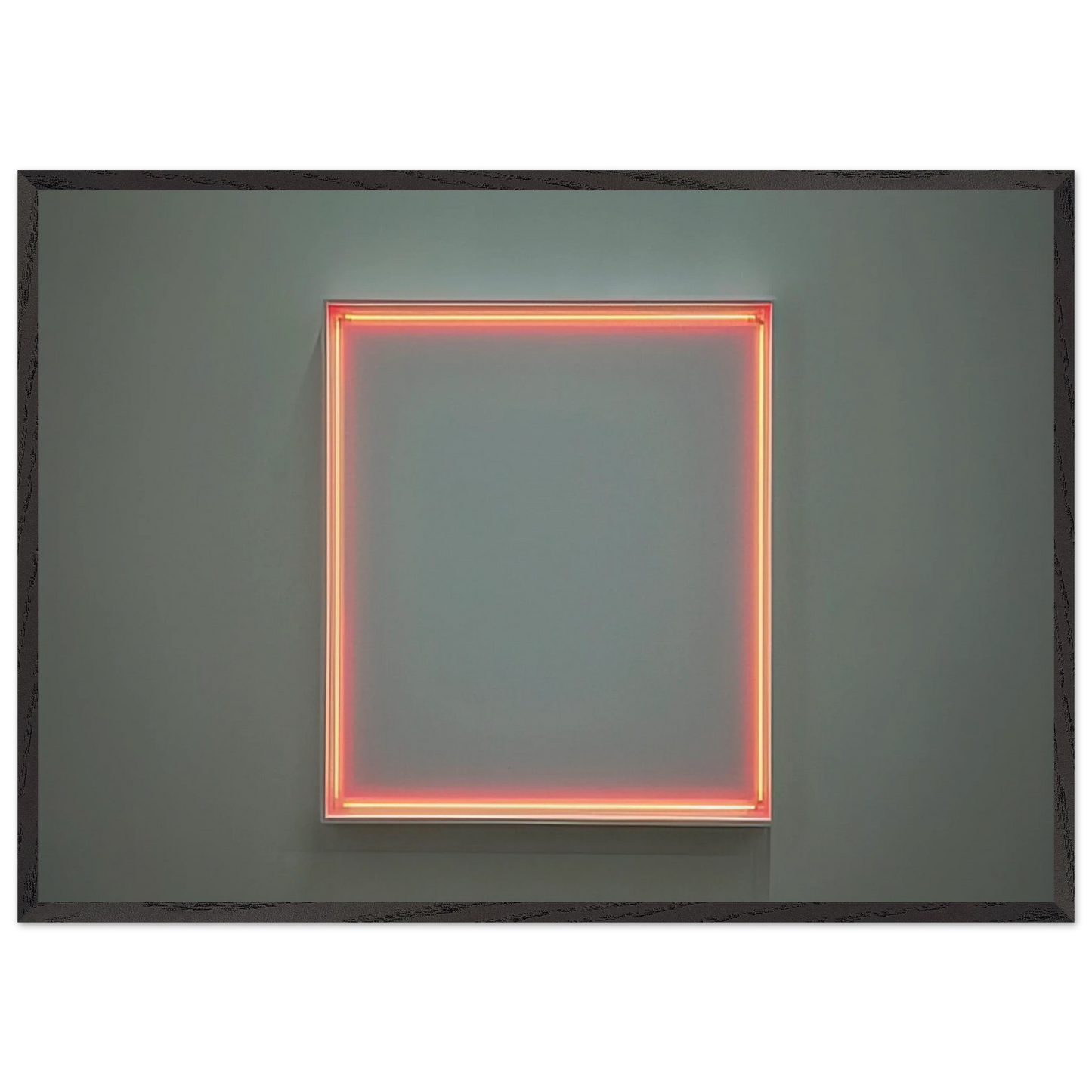
Discover Unlimited Art Possibilities
At RedKalion, you can find virtually any artwork from any artist, available in a wide range of sizes to perfectly match your space.
If you didn’t find what you’re looking for, contact us at support@redkalion.com . We will source any artwork and produce it in any size and format you need, including art prints, posters, canvas, framed pieces, framed canvas, and more.
For dedicated art enthusiasts, we also offer handcrafted replicas of any artwork, carefully painted by highly skilled artists using traditional techniques.
For custom requests, contact us at support@redkalion.com .
What paper quality is used for this Francois Morellet print?
We use 250 gsm (110 lb) natural white museum-quality paper. This archival paper is matte and uncoated, ensuring vibrant lines and long-term durability without yellowing.
What are the specifications of the black wooden frame?
The frame is made from responsibly sourced oak and ash. It measures 20mm (0.79") in thickness and width, providing a sturdier, more premium feel than standard 14mm frames.
Is the artwork ready to hang upon arrival?
Yes, each framed print includes a professional hanging kit. The artwork arrives fully assembled and ready to be displayed on your wall immediately.
How is the print protected from damage?
We utilize shatterproof, high-quality plexiglass to protect the print. This material offers superior clarity and safety while shielding the archival paper from dust and touch.
Is this print environmentally friendly?
Absolutely. We use FSC-certified materials or equivalent sustainable resources for both our archival paper and our solid wood frames, ensuring an eco-conscious purchase.
What is the artistic significance of '4 rythmes interferents'?
This 1972 piece explores 'interference,' a visual phenomenon where overlapping geometric grids create new, complex patterns, reflecting Morellet's fascination with mathematical systems and logic.
Why is Francois Morellet considered a pioneer of Kinetic Art?
Morellet pioneered the use of systems to create movement and optical vibrations. His work moved art away from emotion toward a objective, viewer-interactive experience.