Discover Unlimited Art Possibilities
At RedKalion, you can find virtually any artwork from any artist, available in a wide range of sizes to perfectly match your space.
If you didn’t find what you’re looking for, contact us at support@redkalion.com . We will source any artwork and produce it in any size and format you need, including art prints, posters, canvas, framed pieces, framed canvas, and more.
For dedicated art enthusiasts, we also offer handcrafted replicas of any artwork, carefully painted by highly skilled artists using traditional techniques.
For custom requests, contact us at support@redkalion.com .
What makes the paper quality 'museum-grade'?
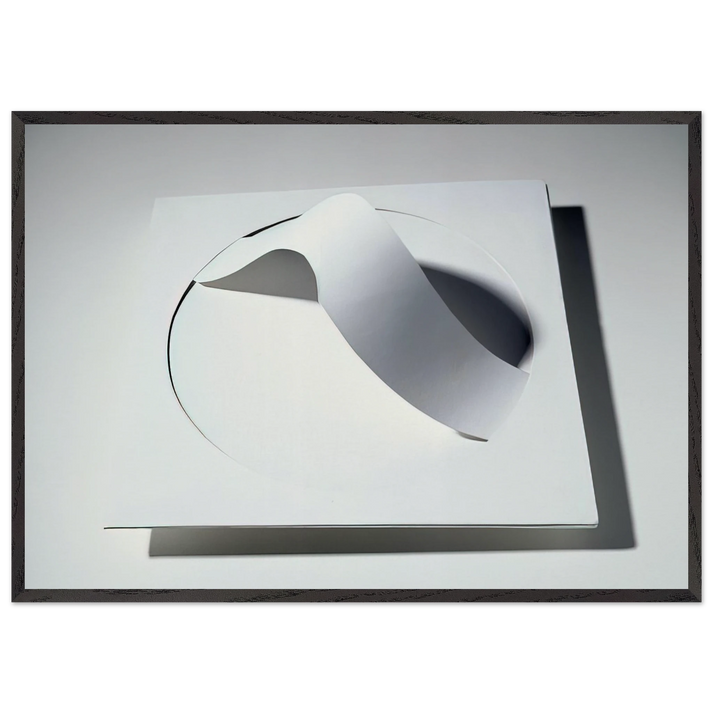
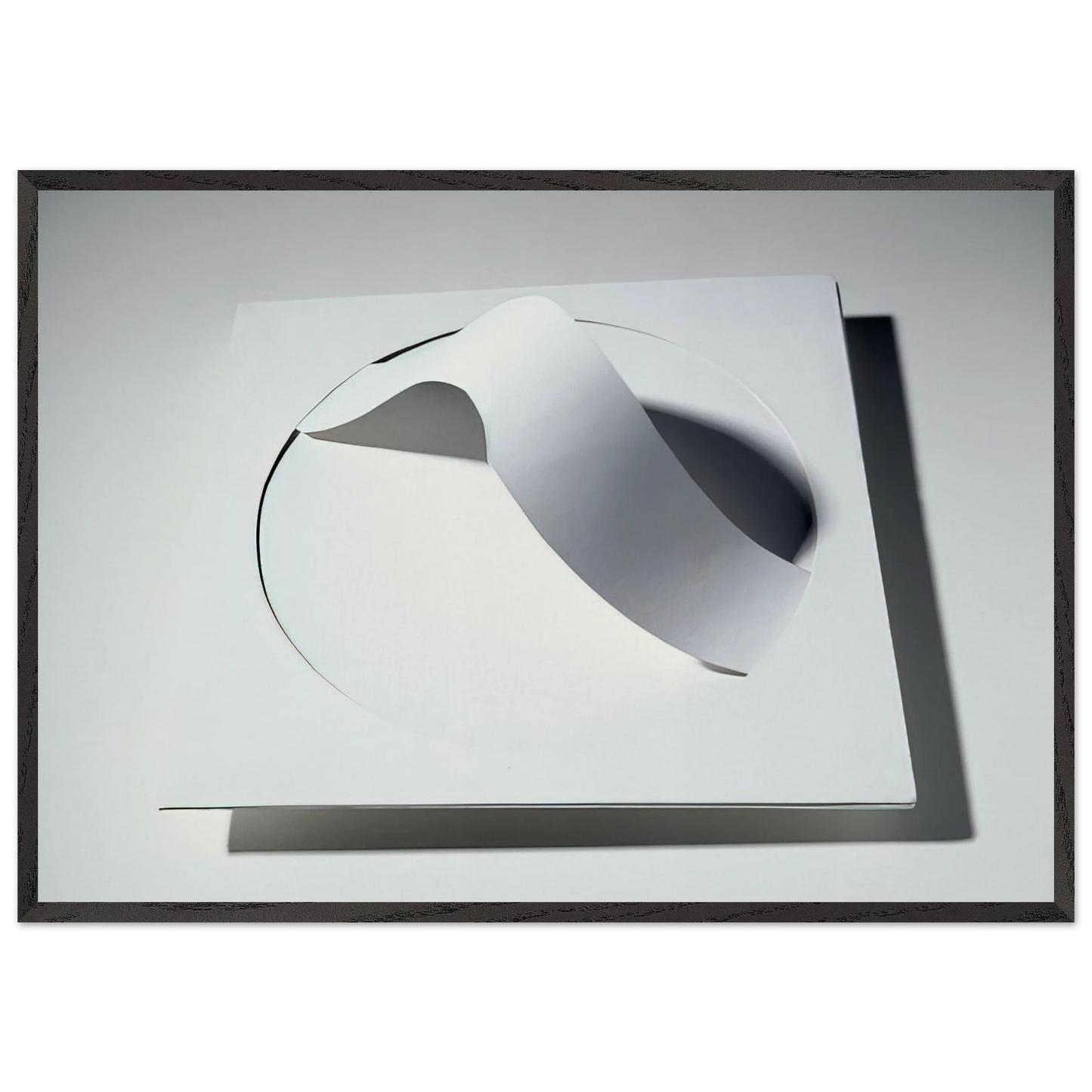
We use 250 gsm (110 lb) archival-grade, natural white paper with a matte finish. This ensures zero glare and long-term resistance to yellowing, preserving the sharp geometry of the Lygia Pape print.
How is the frame constructed?
The frame is made from responsibly sourced oak and ash wood, measuring 20mm (0.79") thick. This profile is wider and sturdier than standard frames, providing a premium, gallery-style aesthetic for your home.
Is the artwork ready to hang upon arrival?
Yes. Every framed art print includes a professional hanging kit. The artwork is delivered pre-mounted within the frame, allowing for immediate installation upon delivery.
How is the print protected during shipping?
We use shatterproof plexiglass to protect the print surface. It offers the clarity of glass with superior durability, ensuring your Lygia Pape reproduction arrives in perfect condition.
Does this print come with a certificate of sustainability?
We use FSC-certified materials or equivalent sustainable paper and wood sources, ensuring that your fine art print meets high environmental and social standards.
What was Lygia Pape's role in the Neo-Concrete movement?
Lygia Pape was a pioneer of Brazilian Neo-Concretism, moving away from pure mathematics toward a 'living' geometry that emphasizes the viewer's sensory experience and the artwork's relationship with space.
What is the significance of the 'Book of Architecture' series?
Created in 1960, the 'Livro da Arquitetura' (Book of Architecture) series explores the evolution of human structures through abstract forms, representing a narrative of space and construction without literal representation.