Discover Unlimited Art Possibilities
At RedKalion, you can find virtually any artwork from any artist, available in a wide range of sizes to perfectly match your space.
If you didn’t find what you’re looking for, contact us at support@redkalion.com . We will source any artwork and produce it in any size and format you need, including art prints, posters, canvas, framed pieces, framed canvas, and more.
For dedicated art enthusiasts, we also offer handcrafted replicas of any artwork, carefully painted by highly skilled artists using traditional techniques.
For custom requests, contact us at support@redkalion.com .
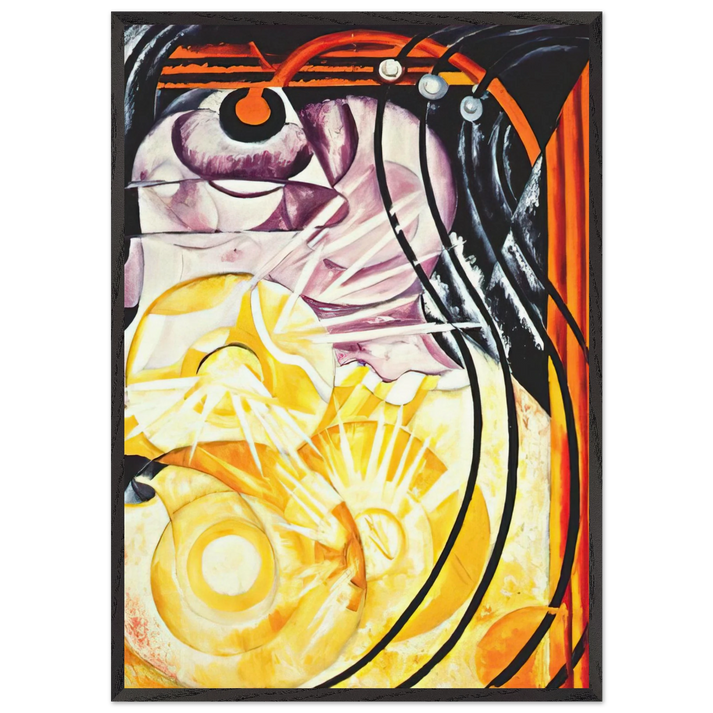
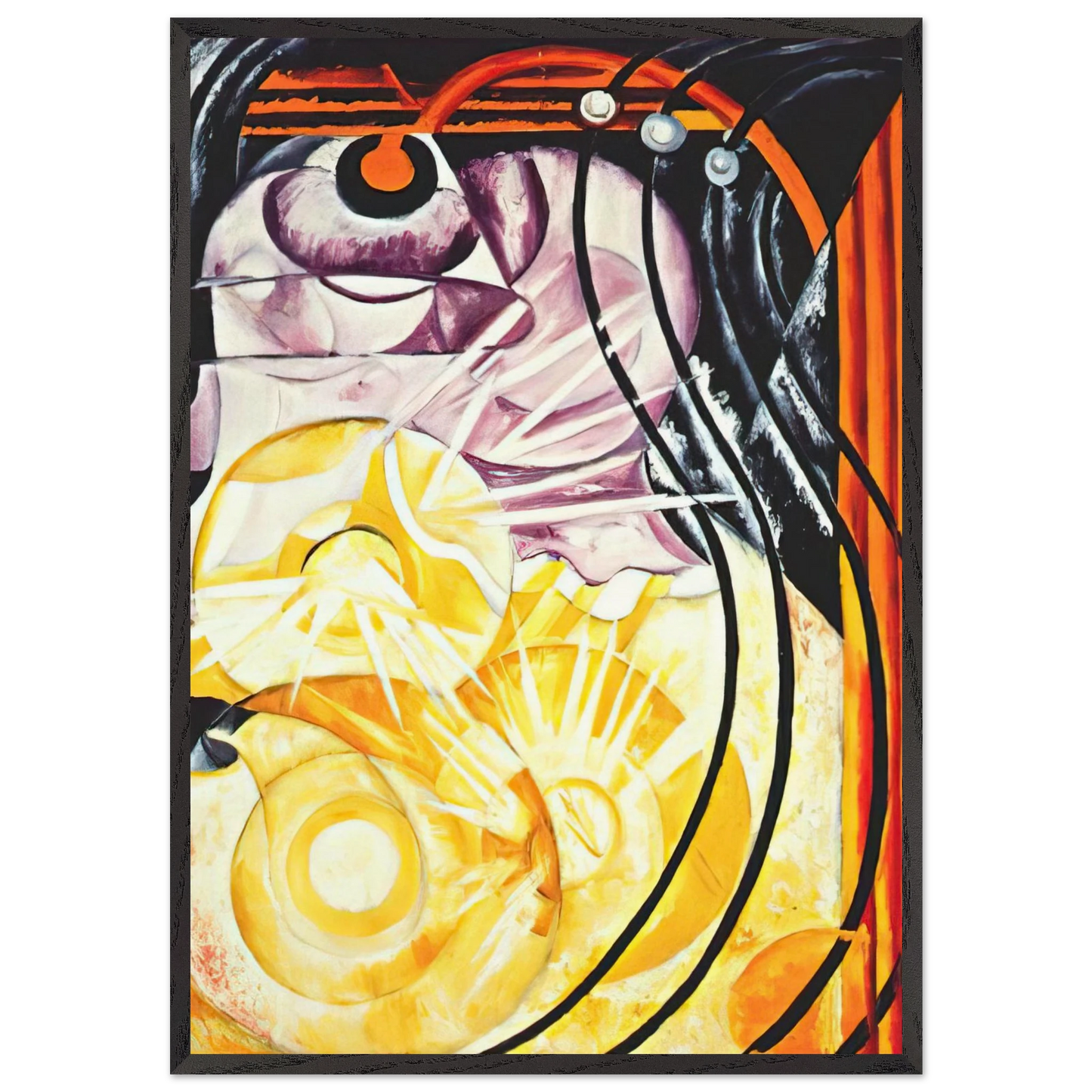
What is the artwork "Electric Lamp - 1913" by Natalia Goncharova?
This is a museum-quality fine art print of Natalia Goncharova's 1913 painting, "Electric Lamp," showcasing her avant-garde style and fascination with modern technology.
What are the specifications of the paper used for this art print?
The print uses archival museum-quality paper, 250 gsm (110 lb) weight, 0.29 mm thick, with a matte, uncoated, natural white finish for superior fine art reproduction.
How is the print framed and protected?
The framed art print features a 20mm thick and wide frame made from responsibly sourced oak and ash wood, protected by shatterproof plexiglass.
Is the "Electric Lamp" print ready to hang?
Yes, your museum-quality reproduction is ready-to-hang, including a pre-installed hanging kit for immediate display.
What makes this art print archival and sustainable?
The print is crafted on archival, FSC-certified paper, ensuring longevity and environmental responsibility for your fine art investment.
What is the historical context of Natalia Goncharova's "Electric Lamp"?
Created in 1913, "Electric Lamp" reflects the Russian avant-garde's engagement with modern life, technology, and urban themes, utilizing bold forms characteristic of Cubo-Futurism.
Can you tell me more about Natalia Goncharova's artistic style in this period?
Goncharova's style during this period was revolutionary, blending Russian folk art influences with European avant-garde movements like Futurism and Cubism to create dynamic, abstract compositions.