
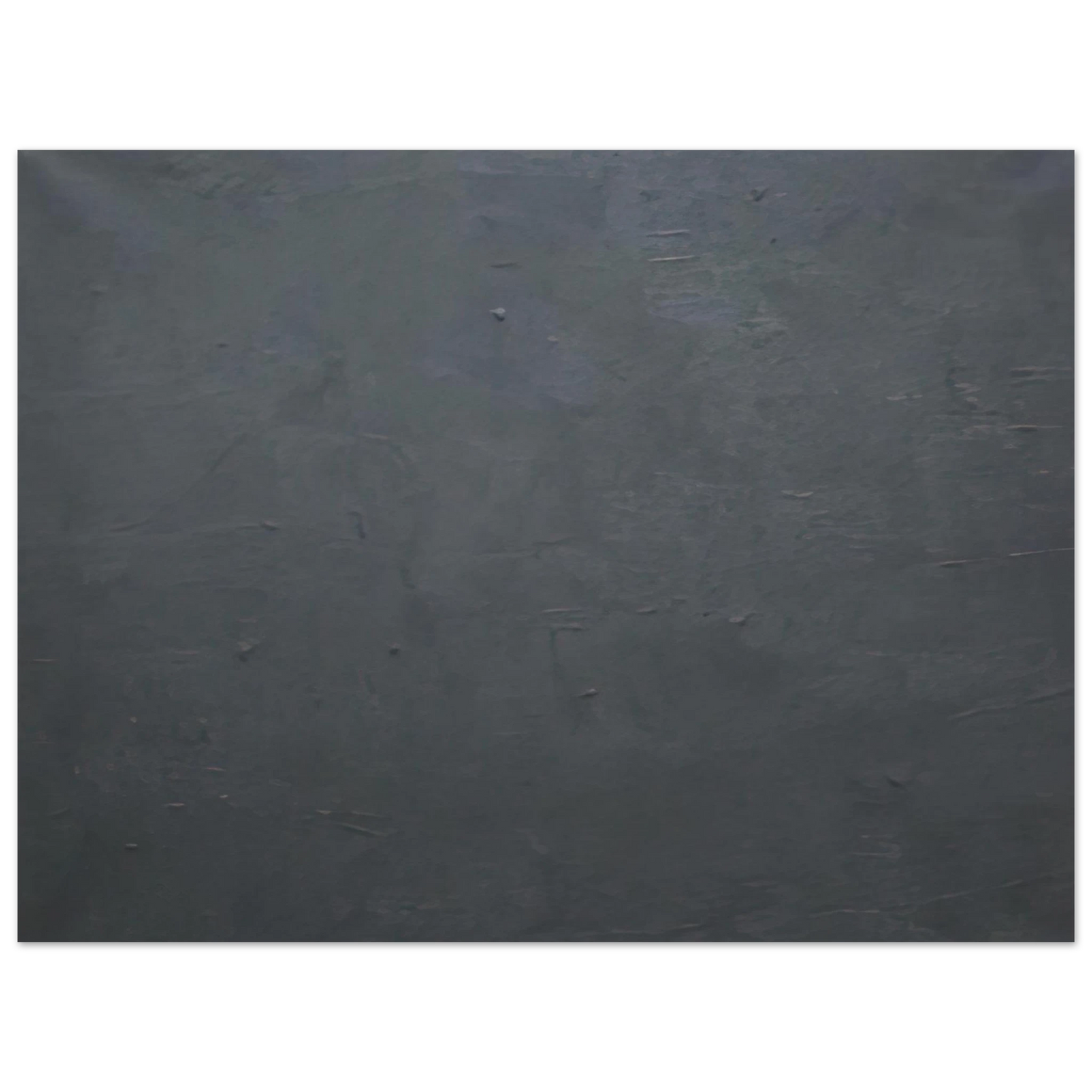
What is the historical significance of Gerhard Richter's TOWNSCAPE M8 GREY 1968?
This artwork is part of Richter's Stadtbilder series from the late 1960s, where he used photographic blurring to explore memory and perception in postwar Germany, blending photorealism with abstraction to challenge traditional art forms.
How does Richter's blur technique enhance the TOWNSCAPE M8 GREY artwork?
Richter's blur technique softens the photographic source, creating a dreamlike, atmospheric quality that invites viewers to ponder the ambiguity between reality and representation, adding emotional depth to the urban scene.
What are the specifications of the Master's Edition archival paper used for this fine art print?
The print uses museum-quality Master's Edition paper with a matte, uncoated finish in natural white, 250 gsm (110 lb) weight, 0.29 mm (11.4 mils) thickness, acid-free (pH above 7) for longevity, and is FSC-certified for sustainability.
How does the acid-free paper ensure the longevity of this museum-quality reproduction?
The acid-free paper (pH above 7) prevents yellowing and degradation over time, ensuring this archival fine art print maintains its original quality and color for decades, ideal for collectors.
What is the shipping and fulfillment process for this Gerhard Richter print?
This print is produced on demand with no minimum orders, using sustainable FSC-certified paper, and shipped directly to you for a personalized, eco-friendly art purchase experience.
Why is the 75x100 cm / 30x40 inches size ideal for displaying TOWNSCAPE M8 GREY?
This size balances detail and presence, allowing Richter's subtle grey gradients and blur effects to be fully appreciated in home or office settings, making it a versatile statement piece.
How does the matte finish enhance the viewing experience of this artwork?
The matte, uncoated finish reduces glare and provides a natural texture that complements Richter's soft, atmospheric style, offering a premium, gallery-like display without reflections.