Discover Unlimited Art Possibilities
At RedKalion, you can find virtually any artwork from any artist, available in a wide range of sizes to perfectly match your space.
If you didn’t find what you’re looking for, contact us at support@redkalion.com . We will source any artwork and produce it in any size and format you need, including art prints, posters, canvas, framed pieces, framed canvas, and more.
For dedicated art enthusiasts, we also offer handcrafted replicas of any artwork, carefully painted by highly skilled artists using traditional techniques.
For custom requests, contact us at support@redkalion.com .
What are the dimensions of this Henri Matisse fine art print?
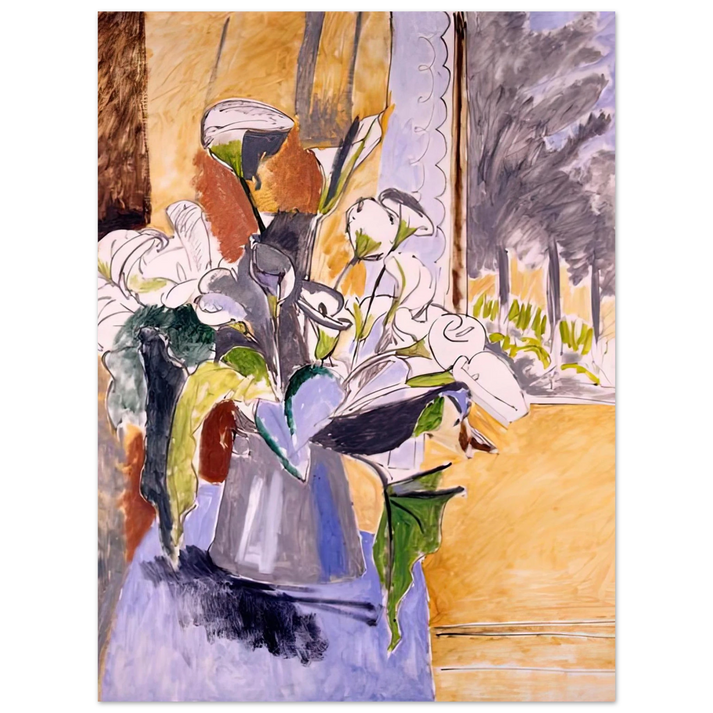
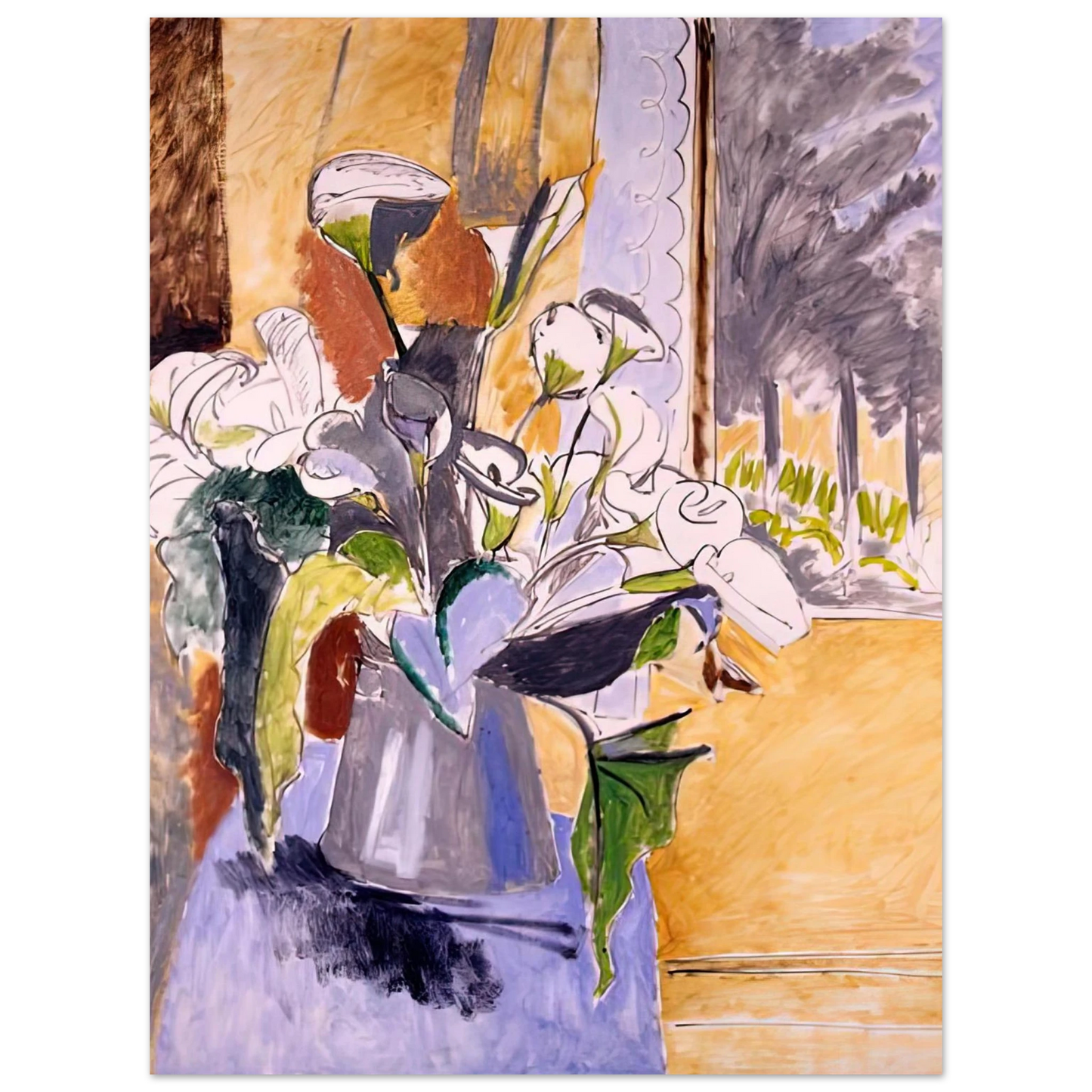
This museum-quality reproduction measures 75x100 cm (30x40 inches), perfectly capturing the scale and impact of Matisse's original 1912 artwork for your home or office decor.
What type of paper is used for this archival print?
We use Master's Edition archival paper, an acid-free (pH above 7), FSC-certified material with a matte, uncoated finish in natural white, ensuring longevity and a luxurious texture for your fine art poster.
How is this print shipped and are there minimum orders?
This piece is printed and shipped on demand with no minimum orders, offering convenient fulfillment while maintaining the high quality of our museum-quality reproductions.
Will this print resist yellowing over time?
Yes, the acid-free paper (pH above 7) prevents yellowing, making this an archival-grade fine art print designed to preserve Matisse's vibrant colors for decades.
What is the weight and thickness of the paper?
The paper weighs 250 gsm (110 lb) with a thickness of 0.29 mm (11.4 mils), providing a durable, premium feel that enhances this Henri Matisse reproduction.
What artistic movement does "Bouquet of Flowers on a Veranda" represent?
This 1912 artwork is a prime example of Fauvism, where Matisse used bold, non-naturalistic colors and expressive techniques to evoke emotion, revolutionizing modern art.
Why is this piece significant in Matisse's career?
Created during a period of intense experimentation, it showcases Matisse's shift towards simplified forms and vibrant palettes, influencing later works and solidifying his legacy as a master of color.