
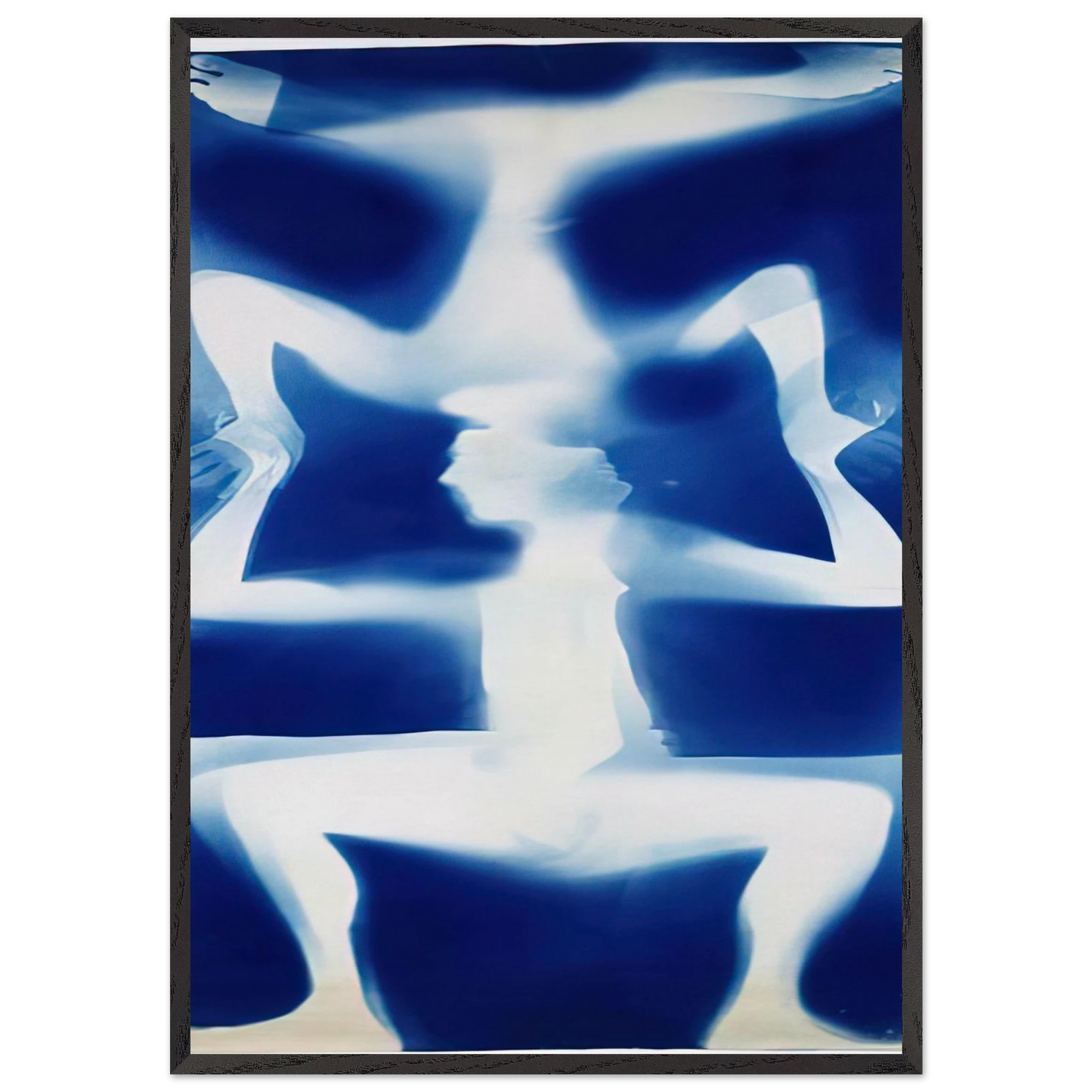
What is the historical significance of Untitled Double Rauschenberg 1950?
This artwork marks Robert Rauschenberg's early exploration of mixed-media techniques, bridging Abstract Expressionism and Neo-Dada. It showcases his innovative 'combine' approach, using layered marks to challenge traditional art boundaries and influence future movements like Pop Art.
What details make this Rauschenberg print unique?
The print captures Rauschenberg's gestural, experimental composition from 1950, highlighting raw textures and dynamic forms. It reflects his pivotal role in post-war American art, making it a sought-after piece for collectors of museum-quality reproductions.
What are the specifications of the paper used for this fine art print?
This archival print uses 250 gsm (110 lb) matte, uncoated, natural white paper with a thickness of 0.29 mm (11.4 mils). It's FSC-certified for sustainability, ensuring a premium, museum-quality reproduction that resists fading.
How is the framed art print shipped and installed?
The print arrives ready-to-hang with a complete hanging kit. It's securely packaged to prevent damage during shipping, allowing for easy wall mounting directly from the box for your convenience.
What materials are used in the black wooden frame?
The frame is crafted from responsibly sourced oak and ash wood, with a substantial 20mm (0.79") thickness and width. It's designed for durability and a sleek, gallery-style presentation.
How does the shatterproof plexiglass protect the print?
The shatterproof plexiglass provides clear, durable protection against impacts and UV light, ensuring the archival print remains pristine and safe in any environment without glass breakage risks.
Is this reproduction truly archival and long-lasting?
Yes, it uses archival-grade, FSC-certified paper and inks designed to resist fading for decades. Combined with the protective plexiglass, it offers longevity suitable for fine art collections.