


Discover Unlimited Art Possibilities
At RedKalion, you can find virtually any artwork from any artist, available in a wide range of sizes to perfectly match your space.
If you didn’t find what you’re looking for, contact us at support@redkalion.com . We will source any artwork and produce it in any size and format you need, including art prints, posters, canvas, framed pieces, framed canvas, and more.
For dedicated art enthusiasts, we also offer handcrafted replicas of any artwork, carefully painted by highly skilled artists using traditional techniques.
For custom requests, contact us at support@redkalion.com .
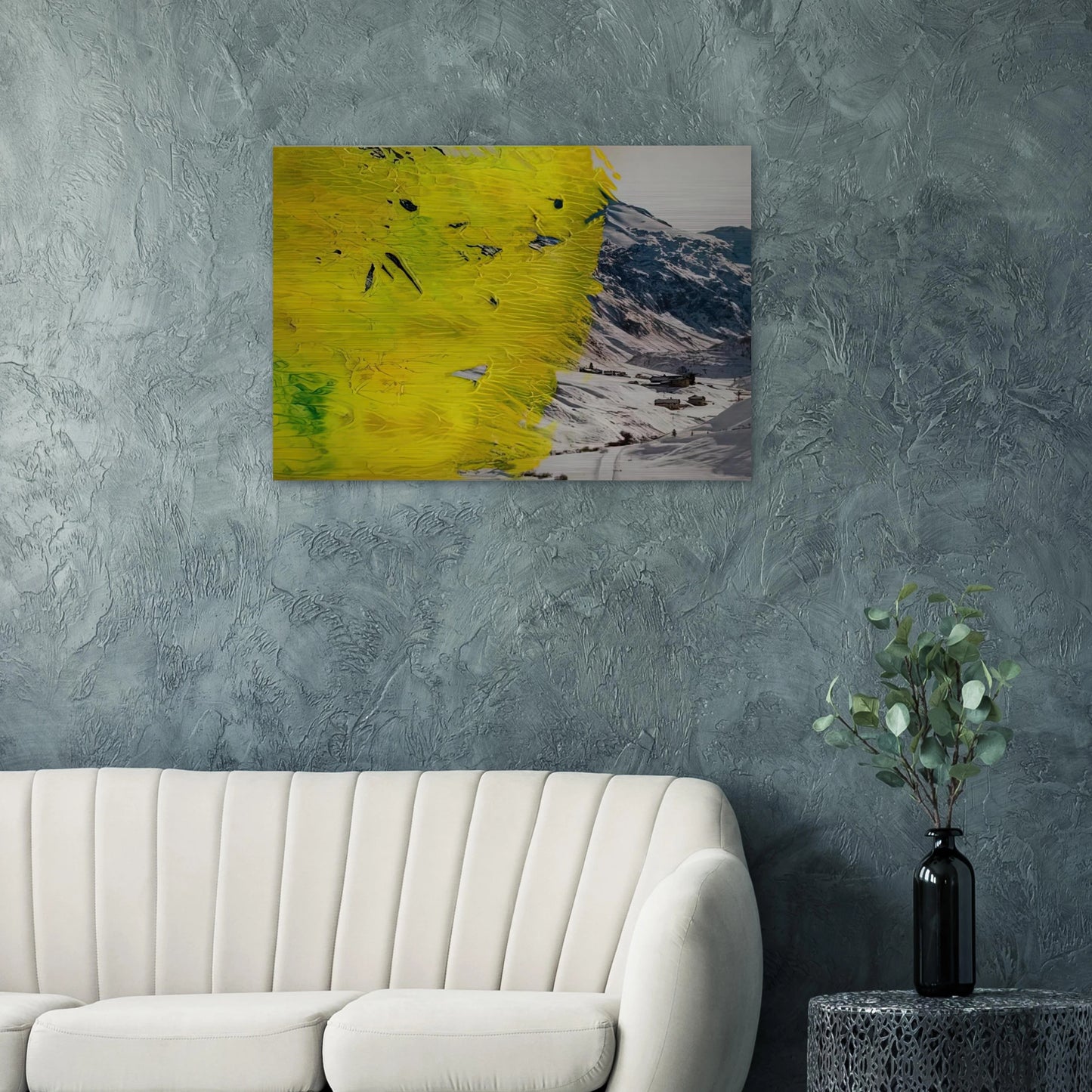
What is the significance of the title '17 3 92' in Gerhard Richter's work?
Richter follows a chronological cataloging system. '17 3 92' indicates the piece was completed on March 17, 1992, reflecting his objective approach to abstract composition and record-keeping.
How does the brushed aluminum material affect the look of the print?
The brushed silver finish adds a horizontal grain and metallic shimmer. In areas where the design is lighter, the raw aluminum shines through, creating a sophisticated, industrial-chic depth.
What are the physical dimensions and thickness of this artwork?
This Gerhard Richter print measures 70x100 cm (28x40 inches) and is constructed on a 3mm (0.12") thick Aluminum DIBOND® panel for maximum durability and rigidity.
Is the print surface reflective or glossy?
No, the print features a premium matte, glare-free finish. This makes it ideal for rooms with high natural light or overhead spotlights, ensuring the art remains visible from all angles.
How will my Gerhard Richter aluminum print be shipped?
Every print is securely packaged in protective materials to ensure it arrives in pristine condition. A hanging kit is included, with the specific type varying by the fulfillment country.
Are RedKalion prints considered archival quality?
Yes, we use UV-stable inks and industrial-grade Aluminum DIBOND® to create museum-quality reproductions that are designed to last for decades without fading or warping.
What technique did Richter use for the original '17 3 92'?
Richter used his signature 'squeegee' technique, dragging a large blade across layers of wet paint to create a complex surface of concealment and revelation.