

Discover Unlimited Art Possibilities
At RedKalion, you can find virtually any artwork from any artist, available in a wide range of sizes to perfectly match your space.
If you didn’t find what you’re looking for, contact us at support@redkalion.com . We will source any artwork and produce it in any size and format you need, including art prints, posters, canvas, framed pieces, framed canvas, and more.
For dedicated art enthusiasts, we also offer handcrafted replicas of any artwork, carefully painted by highly skilled artists using traditional techniques.
For custom requests, contact us at support@redkalion.com .
What is the print quality of these Gerhard Richter postcards?
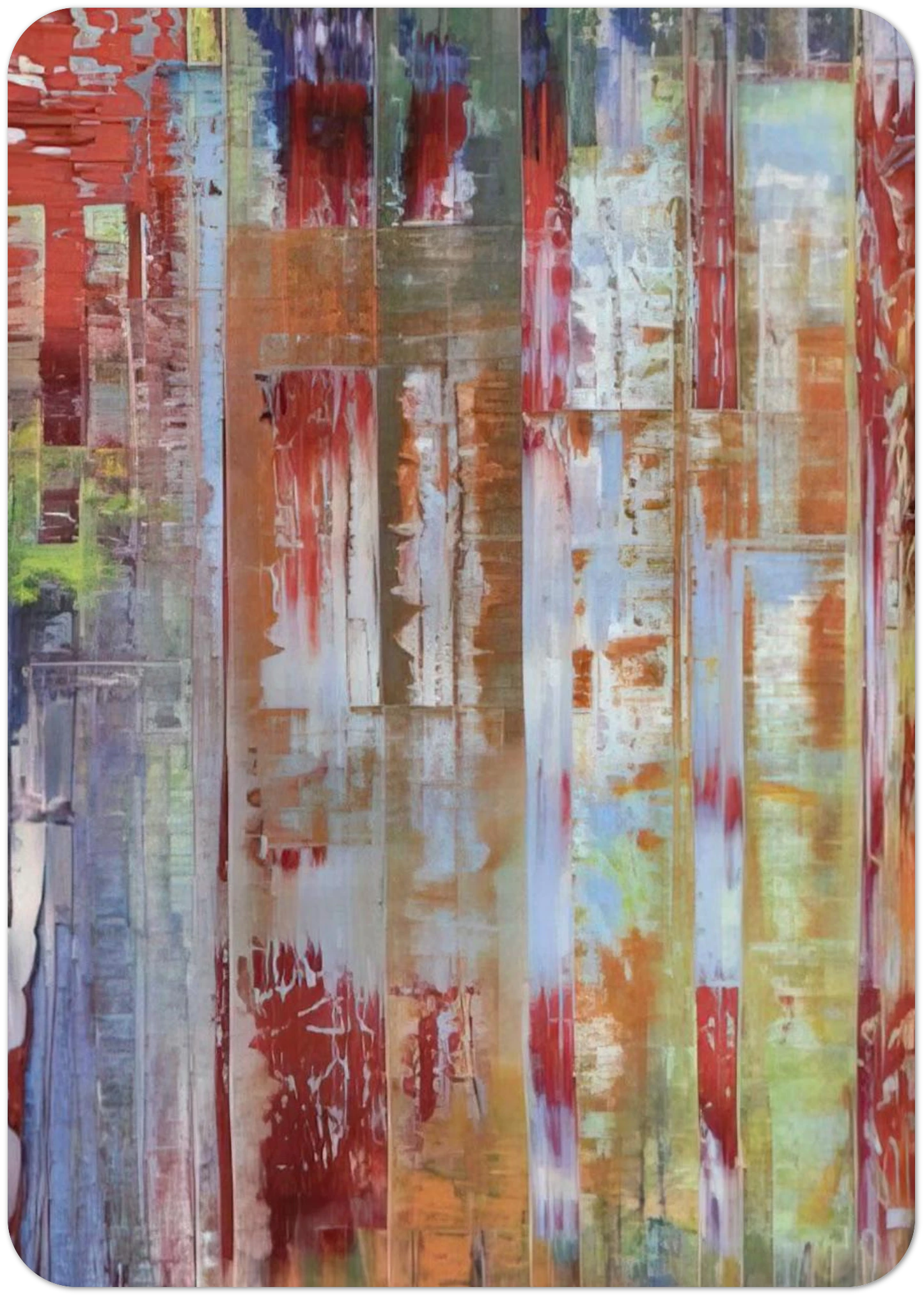
We utilize 12-color fine art printing technology. This exceeds standard 4-color inkjet methods, providing exceptional color vibrancy and depth that accurately reflects Richter’s complex palette and textural layers.
Are the materials used environmentally friendly?
Yes. We use FSC-certified paper and eco-friendly materials. Each pack is printed on demand to minimize environmental impact and eliminate unnecessary waste, supporting sustainable art curation.
What are the exact dimensions of each card?
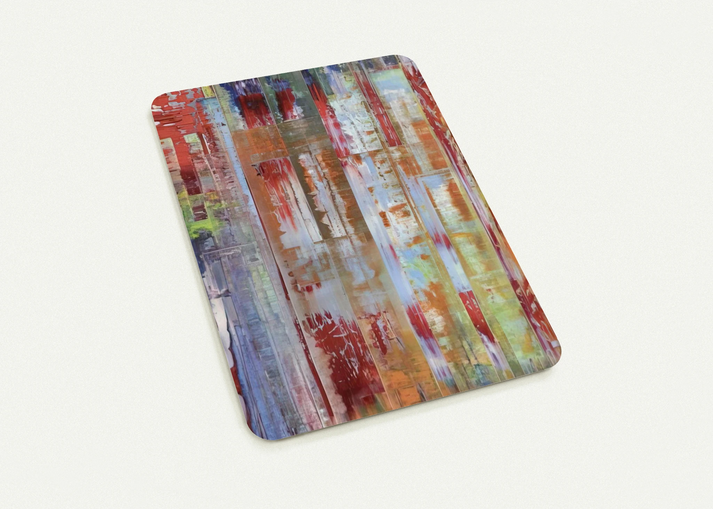
Each postcard in this 10-pack measures A6 size, which is 10.5 x 14.8 cm (4.1 x 5.8 inches). This standard size is ideal for global mailing or desktop framing.
How does RedKalion ensure color accuracy?
RedKalion employs professional 12-color printing equipment. This wide color gamut captures the intricate layers and subtle transitions found in Richter’s original abstract masterpieces with museum-grade precision.
What is the archival longevity of these prints?
Printed on 200 gsm (80 lb) heavy-weight paper with high-quality inks, these postcards are designed to resist fading and maintain their visual integrity for years of display.
What is the significance of the Abstract Painting series in Richter's career?
Richter's abstract series, begun in the late 1970s, explored the boundaries of painting. They represent a philosophical move toward a pure visual experience, focusing on the mechanics of paint rather than a literal subject.
How did Gerhard Richter achieve the textured look in these works?
Richter famously used a large squeegee to drag wet paint across the canvas. This technique creates unpredictable layers, exposing underlying colors and creating a sense of archaeological depth and spontaneous beauty.