
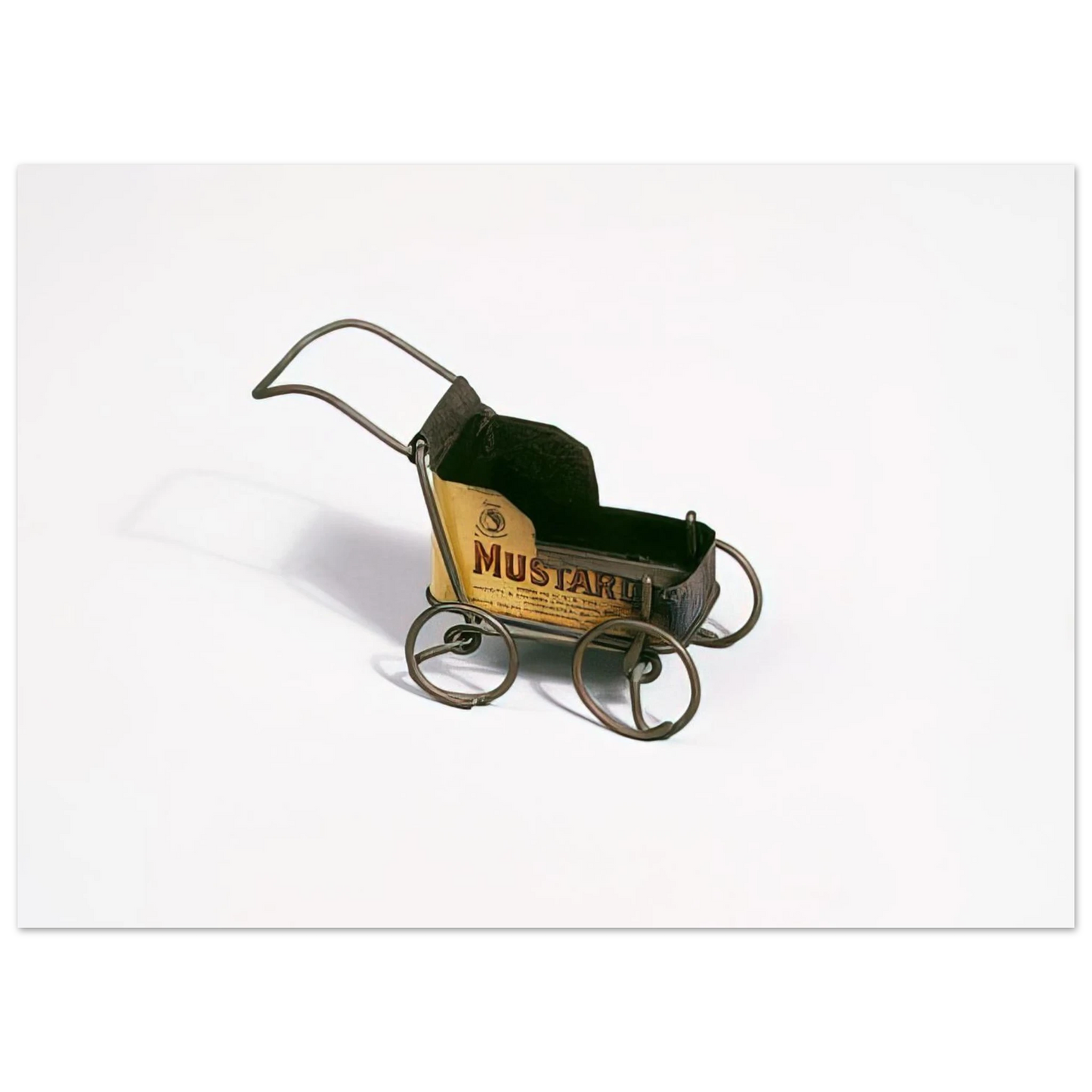
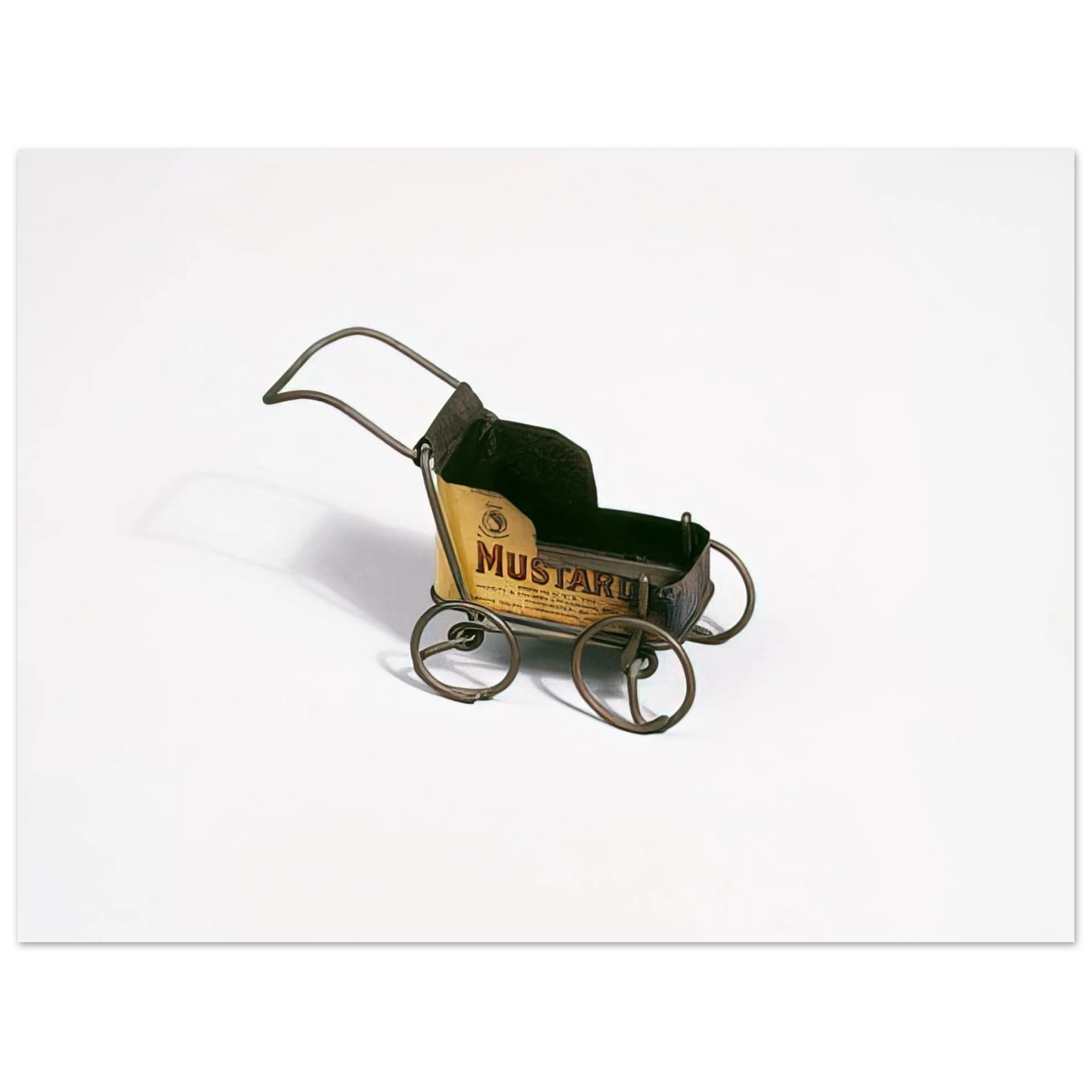

What makes the paper "Master's Edition"?
It is a 250 gsm (110 lb) archival-grade paper with a matte, uncoated finish. This provides a premium texture and ensures no glare under gallery lighting.
How does the archival quality prevent yellowing?
The paper is acid-free (pH above 7), which chemically prevents the material from yellowing or becoming brittle, preserving the artwork for generations.
Is the paper used for this Calder print sustainable?
Yes, RedKalion uses FSC-certified paper, ensuring that the production meets the highest environmental and social standards for responsible forestry.
What are the fulfillment and shipping details?
We print and ship each Alexander Calder poster on demand with no minimum order requirements, ensuring a fresh, pristine print arrives directly at your door.
What is the physical thickness of the print?
Each print has a thickness of 0.29 mm (11.4 mils), providing a substantial, rigid feel that signifies true museum quality.
What was the artistic significance of 1940 for Alexander Calder?
1940 was a pivotal year for Calder as he balanced kinetic mobiles with stationary stabiles, using biomorphic forms to create spatial depth and modern rhythm.
Does this reproduction capture the specific line-work of the original?
Yes, our high-fidelity printing process meticulously reproduces the specific line weights and weights characteristic of Calder’s 1940 works, maintaining historical accuracy.