
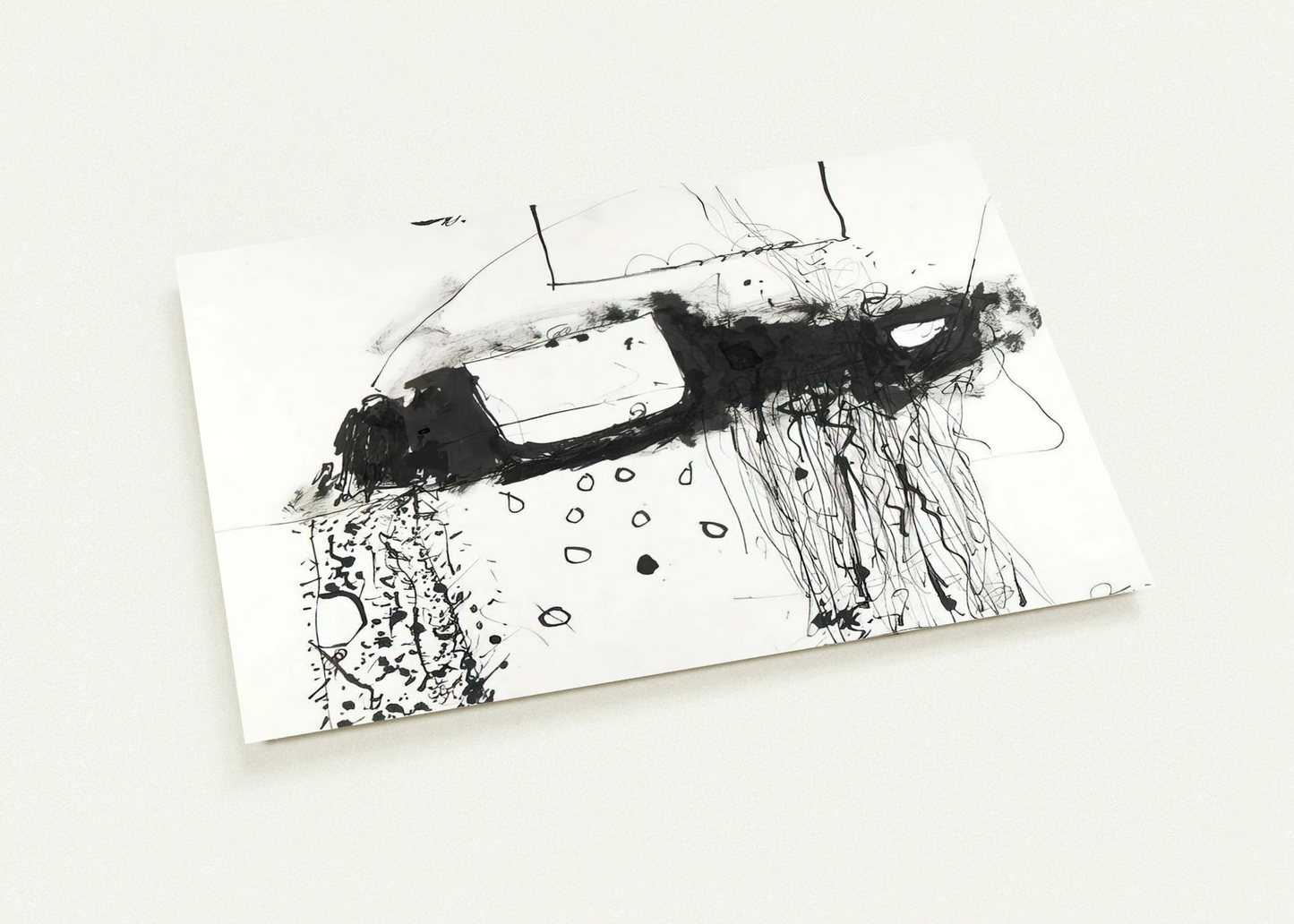
Discover Unlimited Art Possibilities
At RedKalion, you can find virtually any artwork from any artist, available in a wide range of sizes to perfectly match your space.
If you didn’t find what you’re looking for, contact us at support@redkalion.com . We will source any artwork and produce it in any size and format you need, including art prints, posters, canvas, framed pieces, framed canvas, and more.
For dedicated art enthusiasts, we also offer handcrafted replicas of any artwork, carefully painted by highly skilled artists using traditional techniques.
For custom requests, contact us at support@redkalion.com .
What makes the printing quality of these postcards unique?
RedKalion uses 12-color fine art printing technology, which offers superior color vibrancy and tonal depth compared to standard 4-color inkjet processes, ensuring the most accurate reproduction of Gene Davis’s original palette.
What are the physical specifications of the paper used?
These postcards are printed on premium 200 gsm (80 lb) paper with a 0.26 mm thickness. The smooth matte finish ensures a high-end, glare-free aesthetic and a tactile, archival quality.
Is the paper used for these postcards environmentally friendly?
Yes, we prioritize sustainability. These postcards are printed on FSC-certified paper, ensuring the materials are sourced from responsibly managed forests, and they are printed on demand to minimize waste.
Can these postcards be sent through standard mail?
Absolutely. These are standard A6 sized postcards (10.5 x 14.8 cm). Their weight and thickness meet postal standards while providing a much more luxurious feel than mass-produced stationery.
How long does it take to process and ship my order?
Because each set is printed on demand to ensure museum-quality standards, orders are typically processed within 2-4 business days before being shipped via our trusted logistics partners.
Which art movement is Gene Davis associated with?
Gene Davis was a central figure of the Washington Color School, a movement within Color Field painting defined by rhythmic vertical stripes and the exploration of color as a primary subject.
What is the significance of the vertical stripes in Boxcar (1981)?
Davis used vertical stripes to create a sense of time and rhythm. In 'Boxcar', the varying widths and colors function like musical notes, guiding the viewer's eye across the work at a specific cadence.