Passer aux informations produits
1 de 1

RedKalion

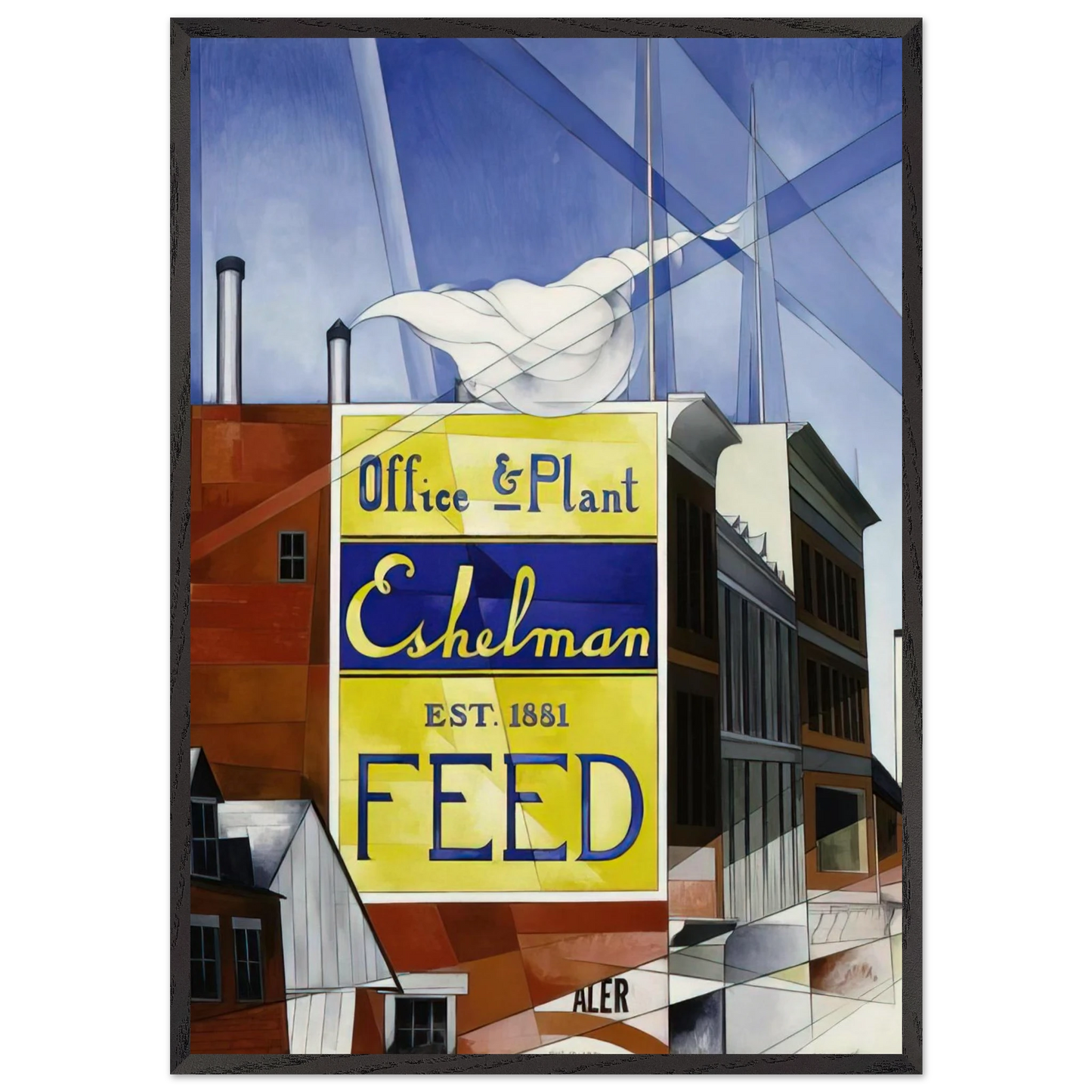
Buildings Lancaster - 1930 - Charles Demuth 70x100 cm / 28x40 inches Framed Art Print – Black Wooden Frame

Buildings Lancaster - 1930 - Charles Demuth 70x100 cm / 28x40 inches Framed Art Print – Black Wooden Frame

Prix habituel $449.99 USD
Prix habituel $999.99 USD Prix promotionnel $449.99 USD
Promotion Épuisé
Quantité

Charles Demuth’s Buildings Lancaster (1930): A Precisionist Masterpiece

Elevate your collection with this museum-quality reproduction of Charles Demuth’s Buildings Lancaster (1930). As a pioneer of the Precisionist movement, Demuth transformed the industrial landscape of his hometown into a sophisticated arrangement of geometric forms and sharp lines. This iconic work captures the stark, rhythmic beauty of early 20th-century American architecture, making it a definitive statement piece for modern and minimalist interiors.

Archival Excellence and Craftsmanship

At RedKalion, we curate art that endures. This 70x100 cm (28x40 inches) framed art print is meticulously produced on 250 gsm (110 lb) natural white museum-quality paper. The archival, acid-free composition ensures that the subtle shifts in tone and the structural precision of Demuth’s vision remain vibrant for generations. The matte, uncoated finish eliminates glare, allowing the viewer to appreciate the intricate details without distraction.

Premium Framing and Sustainable Design

Each print is encased in a solid black wooden frame, crafted from responsibly sourced oak and ash. Measuring 20mm (0.79") in both thickness and width, this frame provides a substantial, gallery-grade profile that surpasses standard retail alternatives. Protected by shatterproof plexiglass, your artwork arrives ready to hang with an included mounting kit, ensuring a seamless transition from our gallery to your wall.

  • Artist: Charles Demuth (American, 1883–1935)
  • Paper Weight: 250 gsm archival-grade paper
  • Frame Material: FSC-certified black oak/ash wood
  • Protection: High-clarity shatterproof plexiglass
  • Sustainability: Printed on FSC-certified materials for a reduced environmental footprint
Afficher tous les détails
What is the quality of the paper used for this Charles Demuth print?

We use 250 gsm (110 lb) archival museum-quality paper. It is natural white, uncoated, and acid-free, ensuring your Buildings Lancaster print maintains its color integrity and physical durability for decades without yellowing or fading.

What are the frame specifications for this 70x100 cm print?

The frame is made from responsibly sourced black oak and ash wood. It features a professional 20mm (0.79") profile, providing a robust and premium aesthetic compared to thinner, standard 14mm frames found elsewhere.

Is the framed artwork ready to hang upon arrival?

Yes. Your framed art print includes a professional hanging kit. It is shipped ready-to-hang, allowing you to easily elevate your space with this Precisionist masterpiece immediately upon delivery.

How is the print protected during shipping and display?

Each print is protected by shatterproof, high-clarity plexiglass. This provides the sophisticated look of glass while ensuring the artwork remains safe during transit and is durable for long-term display in your home or office.

Is the paper and wood used sustainably sourced?

RedKalion is committed to sustainability. We use FSC-certified paper and frame materials (or equivalent regional certifications), ensuring that your fine art reproduction supports responsible forest management and environmental stewardship.

What is the significance of the Precisionism movement in this artwork?

Precisionism, led by artists like Charles Demuth, focused on the geometric simplification of industrial structures. Buildings Lancaster (1930) reflects this by emphasizing the clean lines and mechanical order of the American industrial landscape.

Why is Buildings Lancaster considered a key work in Demuth's career?

Created near the end of his life, this piece represents the pinnacle of Demuth’s ability to find abstract beauty in local Pennsylvania industry, bridging the gap between European Cubism and a distinctly American modern identity.