

RedKalion
Diamond Jim - 1972 - Gene Davis Brushed Aluminum Print - 70x100 cm / 28x40 inches | Gene Davis Aluminum Print | Gene Davis Prints
Diamond Jim - 1972 - Gene Davis Brushed Aluminum Print - 70x100 cm / 28x40 inches | Gene Davis Aluminum Print | Gene Davis Prints
Impossible de charger la disponibilité du service de retrait
Gene Davis Diamond Jim - 1972 - Museum-Quality Brushed Aluminum Print
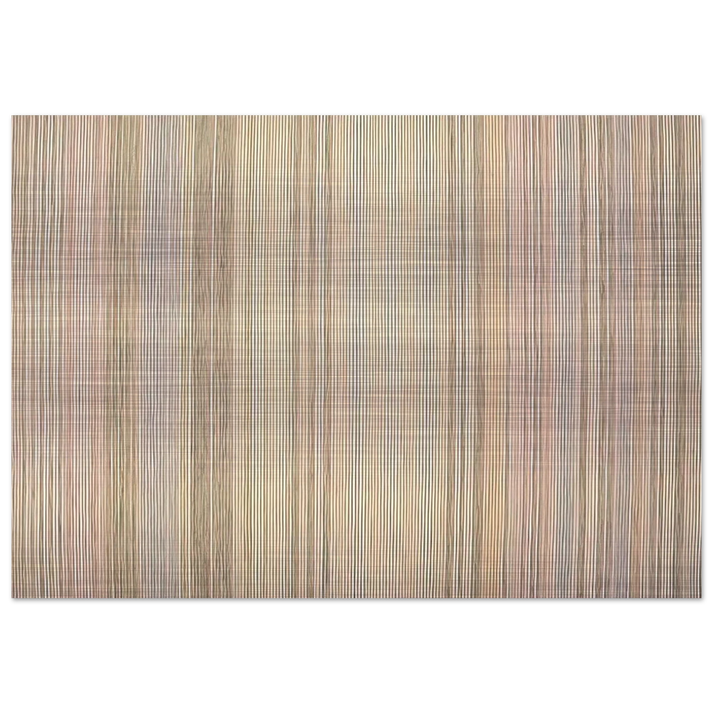
Immerse yourself in the vibrant energy of Gene Davis's iconic "Diamond Jim," created in 1972. This museum-quality reproduction captures the quintessential spirit of Post-Painterly Abstraction, a movement Davis helped define with his bold, rhythmic color field paintings. This fine art print showcases the artist's mastery of optical effects and his distinctive striped compositions.
Experience "Diamond Jim" as a striking contemporary statement piece. The artwork is meticulously reproduced on a 3mm thick Brushed Aluminum DIBOND® panel, featuring a subtle horizontal grain that adds a dynamic visual texture. The direct print process on AluDibond ensures exceptionally vivid colors, while unprinted white areas reveal a captivating metallic silver sheen. This matte, glare-free finish is particularly suited for the bold lines and striking contrasts present in Gene Davis's work, making it an ideal choice for collectors seeking a modern, sophisticated display.
This Gene Davis print is more than just wall art; it is a piece of art history rendered with archival precision. Elevate your space with an archival masterpiece that endures, celebrating the legacy of one of America's most influential abstract expressionists. Each Gene Davis print comes with a carefully selected hanging kit for effortless installation.
- Artwork: Diamond Jim (1972)
- Artist: Gene Davis
- Medium: Fine Art Print on Brushed Aluminum DIBOND®
- Dimensions: 70x100 cm / 28x40 inches
- Material: 3mm thick AluDibond with metallic finish and horizontal grain
- Print Finish: Matte, glare-free
- Color Effect: Unprinted white areas reveal metallic silver
- Included: Hanging kit



Discover Unlimited Art Possibilities
At RedKalion, you can find virtually any artwork from any artist, available in a wide range of sizes to perfectly match your space.
If you didn’t find what you’re looking for, contact us at support@redkalion.com . We will source any artwork and produce it in any size and format you need, including art prints, posters, canvas, framed pieces, framed canvas, and more.
For dedicated art enthusiasts, we also offer handcrafted replicas of any artwork, carefully painted by highly skilled artists using traditional techniques.
For custom requests, contact us at support@redkalion.com .
What is the artwork "Diamond Jim" by Gene Davis?
"Diamond Jim" is a 1972 artwork by Gene Davis, a key figure in the Color Field movement, known for his vibrant, optical striped paintings.
What material is this Gene Davis print made from?
This Gene Davis print is produced on 3mm thick Brushed Aluminum DIBOND®, offering a metallic finish with a horizontal grain for a dynamic visual effect.
What is the finish of the Gene Davis aluminum print?
The print features a matte, glare-free finish, ideal for the artwork's bold design. Unprinted white areas showcase a striking brushed silver metallic effect.
How is the Gene Davis print shipped?
Each Gene Davis fine art print is securely packaged and shipped with a specialized hanging kit, ensuring it arrives ready for display.
What is the archival quality of this Gene Davis reproduction?
Utilizing direct printing on AluDibond, this reproduction ensures vibrant colors and longevity, presenting a museum-quality piece for enduring enjoyment.
Can you tell me more about Gene Davis's technique in "Diamond Jim"?
Gene Davis employed precise masking and layering techniques to achieve the sharp, parallel lines in "Diamond Jim," creating a powerful optical vibration.
What is the historical significance of "Diamond Jim" within Gene Davis's oeuvre?
"Diamond Jim" exemplifies Gene Davis's mature style, showcasing his exploration of color, rhythm, and optical perception that defined his contribution to Post-Painterly Abstraction.