Discover Unlimited Art Possibilities
At RedKalion, you can find virtually any artwork from any artist, available in a wide range of sizes to perfectly match your space.
If you didn’t find what you’re looking for, contact us at support@redkalion.com . We will source any artwork and produce it in any size and format you need, including art prints, posters, canvas, framed pieces, framed canvas, and more.
For dedicated art enthusiasts, we also offer handcrafted replicas of any artwork, carefully painted by highly skilled artists using traditional techniques.
For custom requests, contact us at support@redkalion.com .
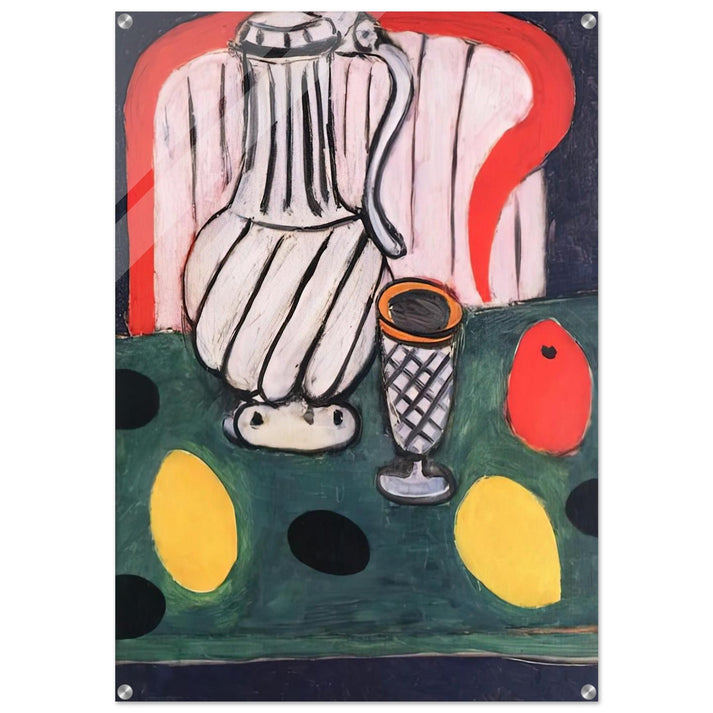
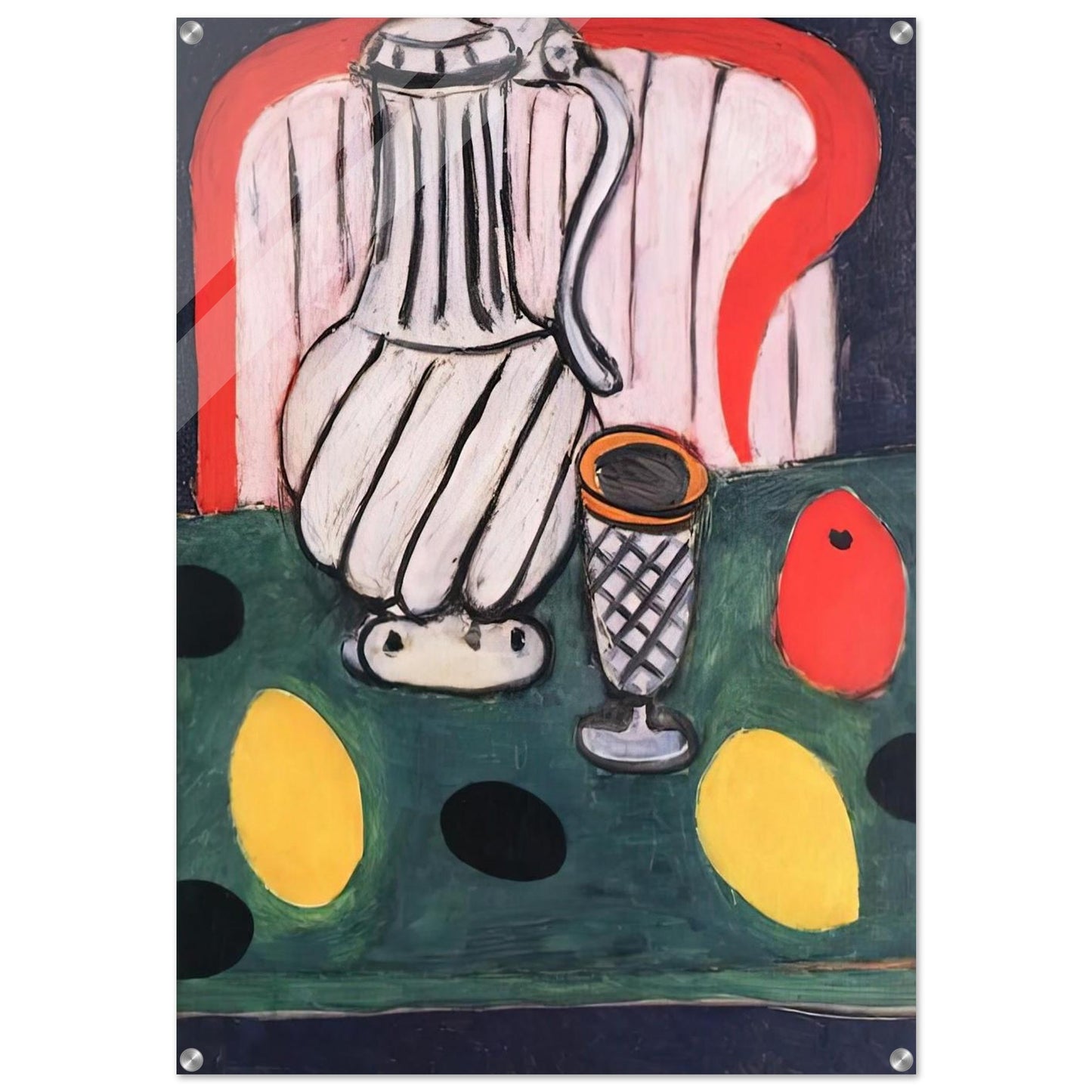
What is the historical significance of "Tin Pitcher, Lemon and Armchair" by Henri Matisse?
Created in 1939, this work reflects Matisse's late-period focus on simplified forms and bold color, exemplifying his Fauvist roots and influence on modern art through emotional expression in domestic scenes.
What materials are used for this acrylic print?
This museum-quality reproduction features 4mm (0.15") acrylic for a vibrant, durable finish with straight-cut corners and a modern design, ensuring a sleek presentation for your fine art print.
How is the print shipped and installed?
It includes a hanging kit with hardware, screws, and pre-drilled screw holes (14mm from edge, 8mm diameter) for easy setup, shipped securely to protect your archival-grade artwork.
What are the dimensions of this Matisse print?
The print measures 70x100 cm / 28x40" inches, offering a substantial size that showcases the artwork's details in a premium acrylic format.
How durable and archival is this reproduction?
Made with 4mm acrylic, it provides long-lasting vibrancy and resistance to fading, making it a durable choice for preserving this Henri Matisse masterpiece.
What artistic techniques did Matisse use in this 1939 work?
Matisse employed bold, flat colors and simplified shapes to emphasize emotional impact over realism, a hallmark of his style that defines this vibrant domestic scene.
Why does the background default to white in this print?
Transparent backgrounds are set to white to optimize presentation, enhancing the colors and forms of Matisse's artwork for a clean, modern display.