


Discover Unlimited Art Possibilities
At RedKalion, you can find virtually any artwork from any artist, available in a wide range of sizes to perfectly match your space.
If you didn’t find what you’re looking for, contact us at support@redkalion.com . We will source any artwork and produce it in any size and format you need, including art prints, posters, canvas, framed pieces, framed canvas, and more.
For dedicated art enthusiasts, we also offer handcrafted replicas of any artwork, carefully painted by highly skilled artists using traditional techniques.
For custom requests, contact us at support@redkalion.com .
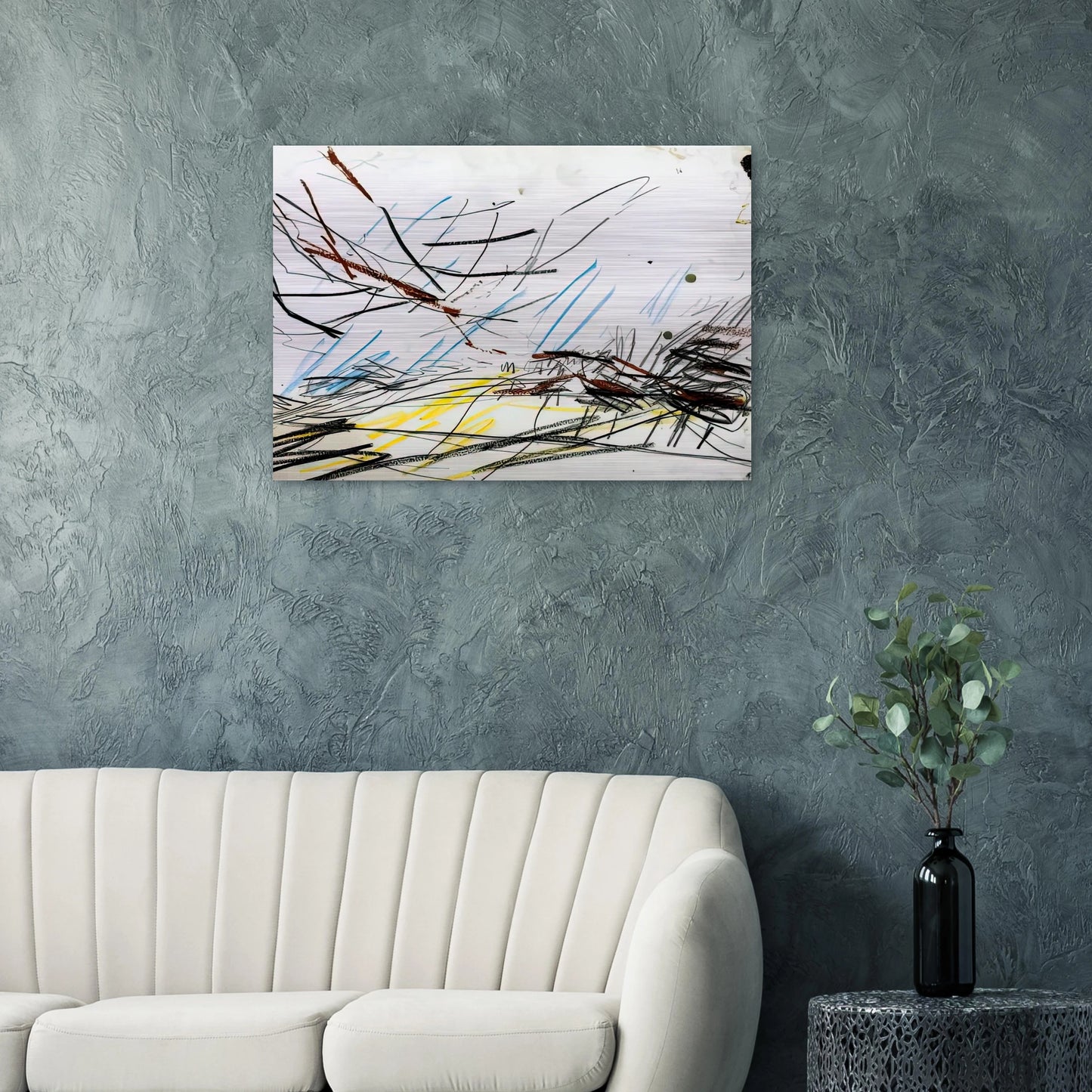
What is the subject of Frank Auerbach's Working Drawing for Primrose Hill 1?
This artwork is a study of Primrose Hill in London, showcasing Auerbach's expressive, textured lines that capture the landscape's rugged essence and atmospheric depth in a dynamic black-and-white composition.
What materials are used for this aluminum print?
It's printed on 3mm thick brushed silver Aluminum DIBOND® with a matte finish, offering vivid colors and a metallic silver effect in unprinted areas for a durable, museum-quality reproduction.
How is the print finished and what are its dimensions?
The print has a matte, glare-free finish and measures 70x100 cm (28x40 inches), ideal for enhancing black-and-white designs with a striking brushed aluminum look.
Is a hanging kit included with this fine art print?
Yes, a complete hanging kit is included; specific components may vary by fulfillment country to ensure secure installation.
How durable and archival is this aluminum print?
Made with archival-grade Aluminum DIBOND®, it resists fading and damage, ensuring long-lasting vibrancy as a premium art reproduction for your collection.
What artistic technique did Frank Auerbach use in this drawing?
Auerbach employed a labor-intensive method of repeated reworking, creating thick, textured lines that give the drawing a sculptural quality and emotional intensity.
Why is Primrose Hill significant in Auerbach's work?
Primrose Hill was a frequent subject for Auerbach, symbolizing his deep connection to London's landscapes and his exploration of form and atmosphere through dynamic mark-making.