
What are the specifications of the paper used for this print?
We use Master's Edition archival paper, which is 250 gsm (110 lb) with a thickness of 0.29 mm. It features a natural white, uncoated matte finish for a premium, non-reflective look and feel.
Will the print yellow or fade over time?
No. This museum-quality reproduction is acid-free with a pH level above 7. This archival standard ensures the paper will not yellow or break down, preserving the artwork's vibrancy for decades.
Is the production process environmentally friendly?
Yes. We use FSC-certified paper or equivalent certifications depending on regional availability. Our prints are produced and shipped on demand, which significantly reduces waste and our carbon footprint.
How is the shipping handled for large format prints?
There are no minimum orders. Each print is carefully packaged in sturdy, protective materials and shipped directly to you, ensuring your archival masterpiece arrives in pristine, gallery-ready condition.
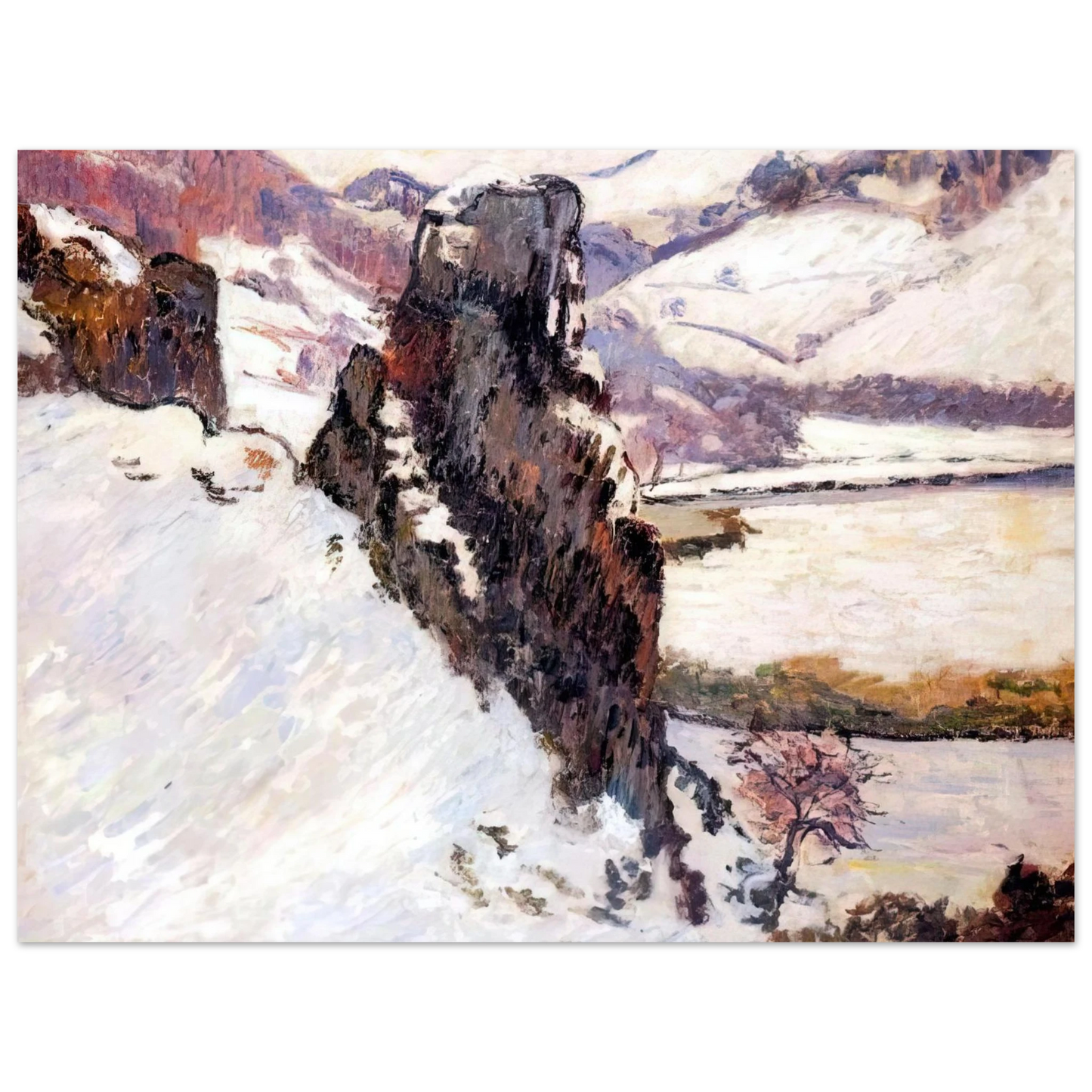
What is the finish of the "Creuse under the snow" poster?
This print features a matte, uncoated finish. This creates a luxurious texture that avoids the cheap, glossy look of standard posters, making it ideal for high-end interior design and gallery-style framing.
Who was Armand Guillaumin in the Impressionist movement?
Armand Guillaumin was a co-founder of the Impressionist movement alongside Monet and Pissarro. He is best known for his intense colors and rugged landscapes, bridging the gap between Impressionism and Fauvism.
Why did Guillaumin frequently paint the Creuse landscape?
Guillaumin was captivated by the wild, dramatic light of the Creuse valley in central France. He became a central figure of the Crozant School, spending decades capturing the region's changing seasons and atmospheric effects.