
Discover Unlimited Art Possibilities
At RedKalion, you can find virtually any artwork from any artist, available in a wide range of sizes to perfectly match your space.
If you didn’t find what you’re looking for, contact us at support@redkalion.com . We will source any artwork and produce it in any size and format you need, including art prints, posters, canvas, framed pieces, framed canvas, and more.
For dedicated art enthusiasts, we also offer handcrafted replicas of any artwork, carefully painted by highly skilled artists using traditional techniques.
For custom requests, contact us at support@redkalion.com .
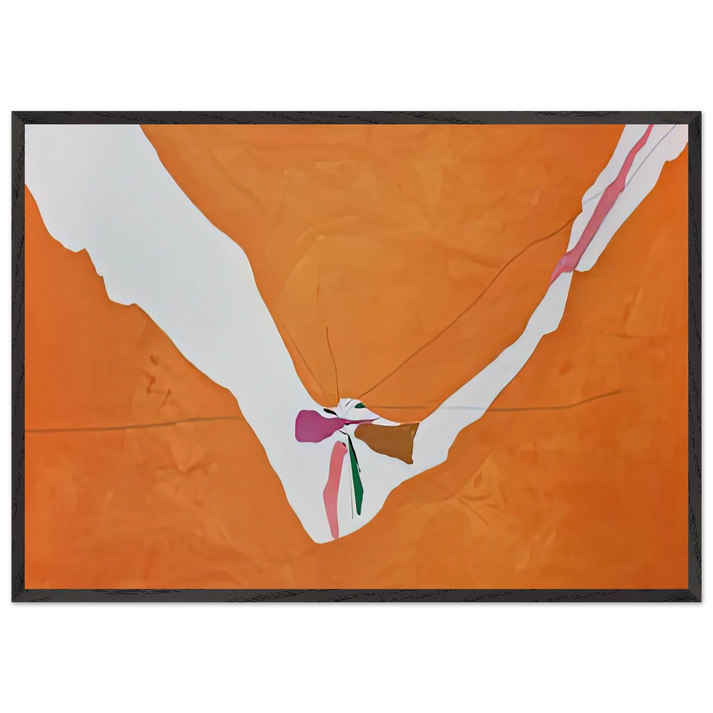
What defines the quality of this Helen Frankenthaler print?
Our reproduction uses 250 gsm archival museum-quality paper. This heavy-weight, matte, and uncoated natural white paper ensures Frankenthaler's fluid colors are rendered with exceptional depth and accuracy, meeting the highest standards for fine art collectors.
How is the 'Chairman of the Board' print framed?
The artwork is professionally mounted in a black wooden frame crafted from responsibly sourced oak and ash. The frame is 20mm thick and wide, providing a premium, gallery-style aesthetic that is sturdier than standard 14mm frames.
Is the paper used for this reproduction sustainable?
Yes, sustainability is a core value at RedKalion. We use FSC-certified paper or equivalent environmental certifications, ensuring that your Helen Frankenthaler print is as responsible as it is beautiful.
How long will this archival print last in my collection?
Designed for longevity, our prints utilize acid-free, 250 gsm museum-grade paper. When kept out of direct sunlight, these archival materials prevent yellowing and fading, allowing the artwork to endure for generations.
When can I expect delivery of my framed artwork?
Each framed print is carefully packaged and includes a hanging kit. Shipping times vary by location, but every piece is dispatched with premium tracking to ensure it arrives ready to hang on your wall.
What was the inspiration behind 'Chairman of the Board' (1971)?
In 1971, Frankenthaler moved toward more defined, large-scale compositions. This piece reflects a shift from purely spontaneous 'stains' to a deliberate balance of form and color, asserting a commanding presence as the 'chairman' of her evolving style.
What makes Helen Frankenthaler’s soak-stain technique unique?
Frankenthaler thinned her oil and acrylic paints with turpentine, allowing them to soak directly into the raw canvas. This technique eliminated the separation between image and support, creating the luminous, watercolor-like effect seen in this reproduction.