Discover Unlimited Art Possibilities
At RedKalion, you can find virtually any artwork from any artist, available in a wide range of sizes to perfectly match your space.
If you didn’t find what you’re looking for, contact us at support@redkalion.com . We will source any artwork and produce it in any size and format you need, including art prints, posters, canvas, framed pieces, framed canvas, and more.
For dedicated art enthusiasts, we also offer handcrafted replicas of any artwork, carefully painted by highly skilled artists using traditional techniques.
For custom requests, contact us at support@redkalion.com .
Frequently Asked Questions
What are the dimensions of this Dieter Roth print?
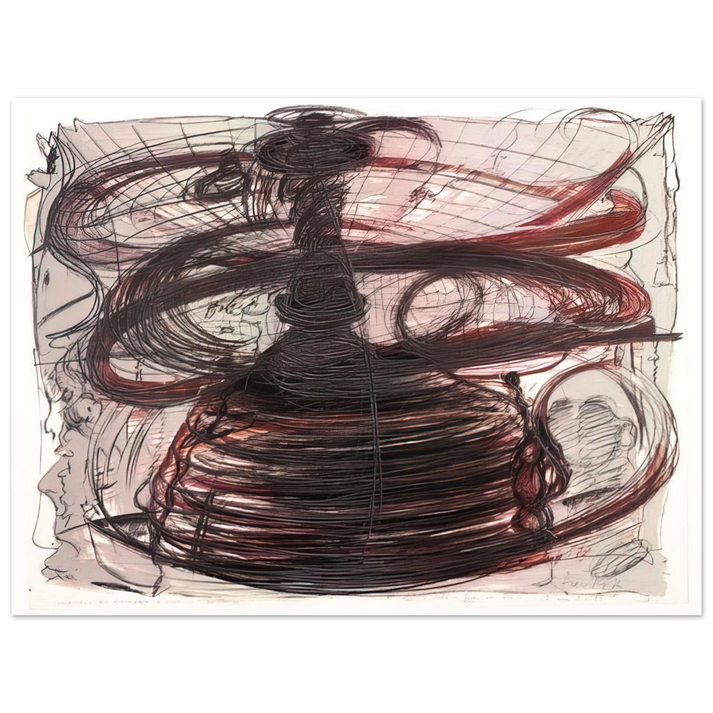
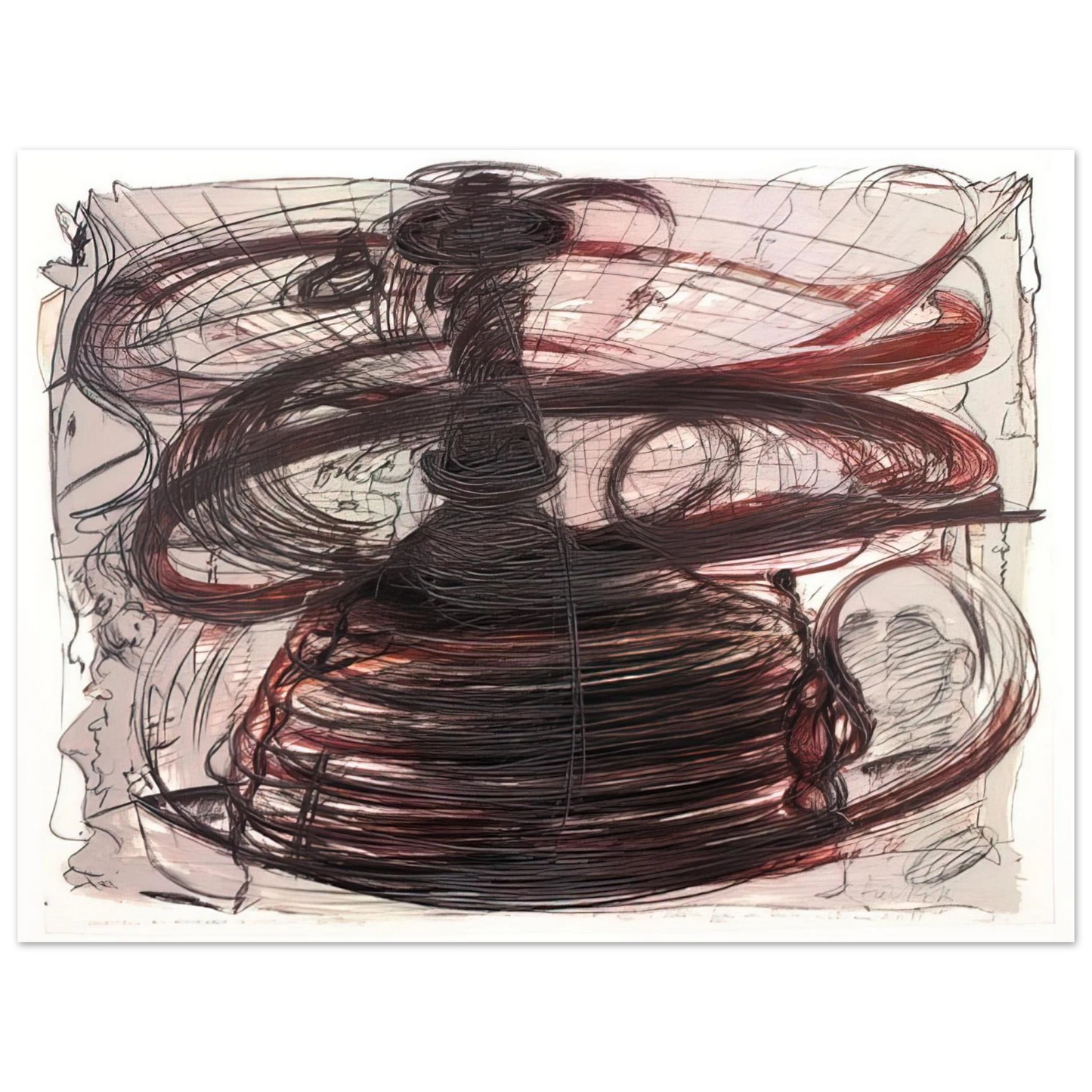
This museum-quality fine art print reproduction of Dieter Roth's "Self-Portrait as Pile of Dog Dirt" measures 75x100 cm, equivalent to 30x40 inches.
What type of paper is used for this art print?
The print is produced on Master's Edition archival paper. It's a heavyweight (250 gsm/110 lb), natural white, uncoated matte paper, FSC-certified for sustainability.
How does the paper ensure the longevity of the print?
Our Master's Edition paper is acid-free and pH-neutral, exceeding a pH of 7. This prevents the print from yellowing over time, ensuring archival longevity.
What is the finish of the print?
This fine art print features a sophisticated matte, uncoated finish in a natural white (off-white) hue, providing a luxurious, non-reflective texture.
What is the thickness and weight of the paper?
The Master's Edition archival paper is 250 gsm (110 lb) in weight and has a thickness of 0.29 mm (11.4 mils), offering substantial quality.
What is the significance of Dieter Roth's "Self-Portrait as Pile of Dog Dirt"?
This 1973 artwork is significant for its radical use of materials and confrontational approach to self-portraiture, reflecting Roth's interest in decay and ephemerality.
Can you tell me more about Dieter Roth's artistic style?
Dieter Roth was a key figure in post-war art, known for his experimental approach, use of perishable materials, and exploration of themes like decomposition and the passage of time.